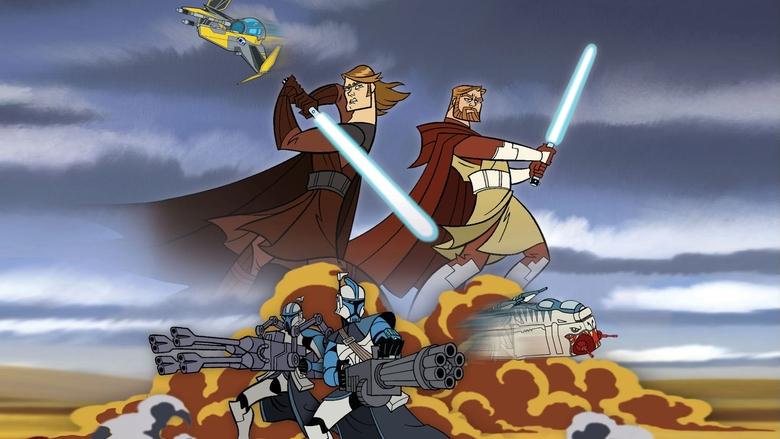
📺 Star Wars: Clone Wars (2003)
Part of Star Wars Franchise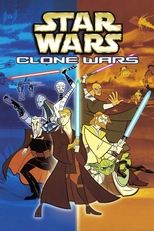
Star Wars: Clone Wars is a groundbreaking micro-series that bridged the narrative gap between the live-action films Attack of the Clones and Revenge of the Sith. Developed by Genndy Tartakovsky, the series is renowned for its kinetic, stylized 2D animation and minimal dialogue, relying heavily on visual storytelling and epic action sequences. It introduced key characters to the screen for the first time, most notably the villainous cyborg General Grievous, whose debut here was so impactful it influenced his portrayal in the subsequent theatrical film.
The series was originally broadcast in short, three-minute chapters, which created a unique, fast-paced viewing experience that felt like a series of animated shorts building to a larger crescendo. The third season shifted to longer, 12-minute episodes, allowing for more complex storytelling as it led directly into the opening crawl of Revenge of the Sith. This narrative structure made it a critical darling, winning two Primetime Emmy Awards for Outstanding Animated Program and proving that the Star Wars universe could thrive in a serialized television format.
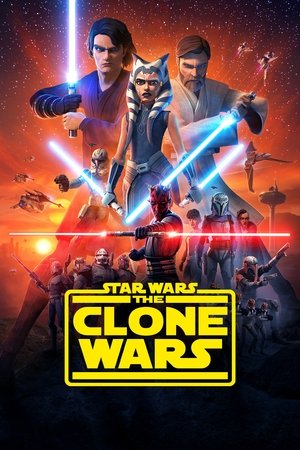
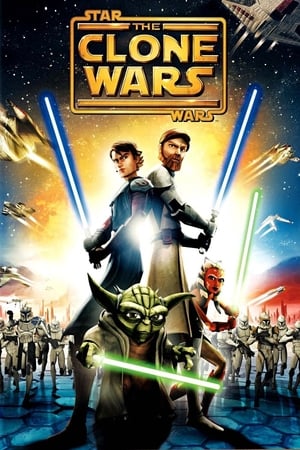
While later decanonized and relegated to the non-canon 'Legends' label after Disney's acquisition of Lucasfilm, its legacy is undeniable. The series' success directly paved the way for the more expansive CGI follow-up, Star Wars: The Clone Wars, in 2008. Many of the themes, character arcs, and the very concept of a weekly animated series exploring the Clone Wars conflict were pioneered by Tartakovsky's intense and celebrated vision.
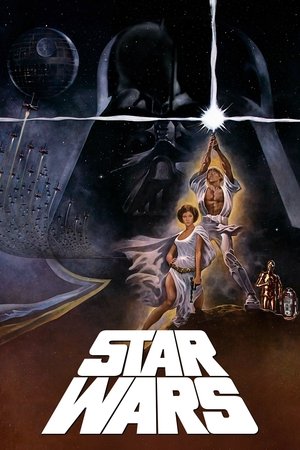
Star Wars is an American epic space-opera franchise created by George Lucas, which began with the 1977 film *Star Wars* (later subtitled *Episode IV: A New Hope*). It quickly became a worldwide pop-culture phenomenon, spawning sequels, prequels, spin-off films, television series, novels, comics, video games, and theme park attractions. Set in a distant galaxy, the franchise explores timeless themes of heroism, tyranny, redemption, and the mystical Force, weaving a sprawling narrative that has captivated audiences for generations.
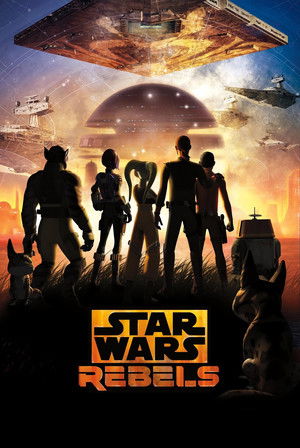
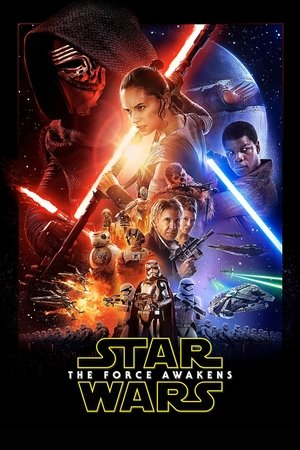
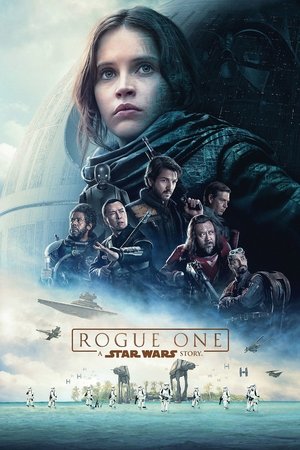
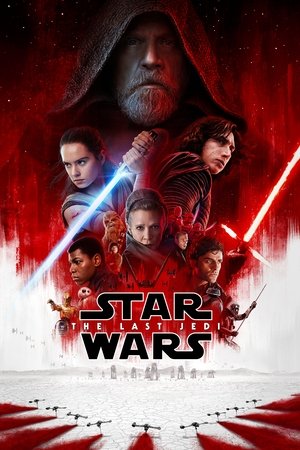
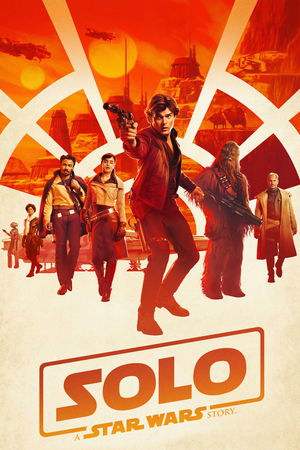
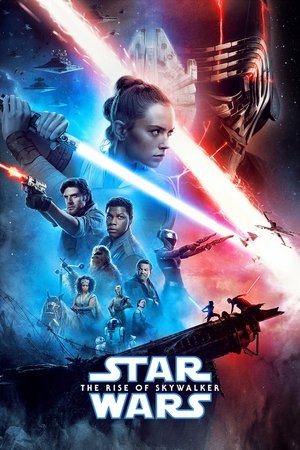
Over decades, the saga has expanded through multiple eras, from the original trilogy's classic battle between the Rebel Alliance and the Galactic Empire, to the prequel trilogy's tragic fall of Anakin Skywalker, and the sequel trilogy's rise of new heroes like Rey and Kylo Ren. Anthology stories, such as *Rogue One* and *Solo*, have deepened the lore, while animated series like *Star Wars: The Clone Wars* and *Star Wars Rebels* have fleshed out key characters and conflicts. This continuous expansion has shaped modern blockbuster filmmaking, introducing groundbreaking special effects and serialized storytelling that influenced countless other franchises.
Culturally, *Star Wars* has generated a devoted global fanbase, inspiring everything from merchandise and fan conventions to academic analysis and political discourse. Its iconic characters—Luke Skywalker, Darth Vader, Princess Leia, and Yoda—have become archetypes, while the Force has entered everyday language as a metaphor for balance and destiny. Despite shifts in ownership from Lucasfilm to Disney, the franchise remains a dominant force in entertainment, constantly reinventing itself through new media while honoring its mythic roots.
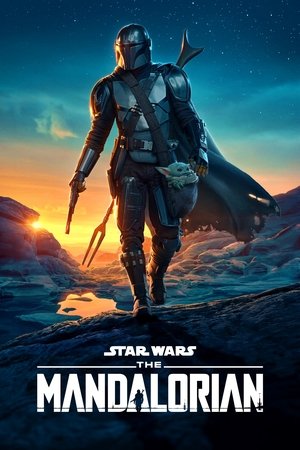
The franchise's legacy is marked by its pioneering use of visual effects, sound design, and musical scores, particularly the work of Industrial Light & Magic and composer John Williams. It has also been a trailblazer in transmedia storytelling, with the Expanded Universe (now branded as Legends) and the current canon encompassing a vast array of interconnected stories across different platforms. The acquisition by The Walt Disney Company in 2012 ushered in a new era of films, live-action series on Disney+ such as *The Mandalorian*, and immersive experiences like *Star Wars: Galaxy's Edge*, ensuring the saga's continued relevance and expansion.