🎬 Return of the Jedi (1983)
Part of Star Wars: The Skywalker Saga
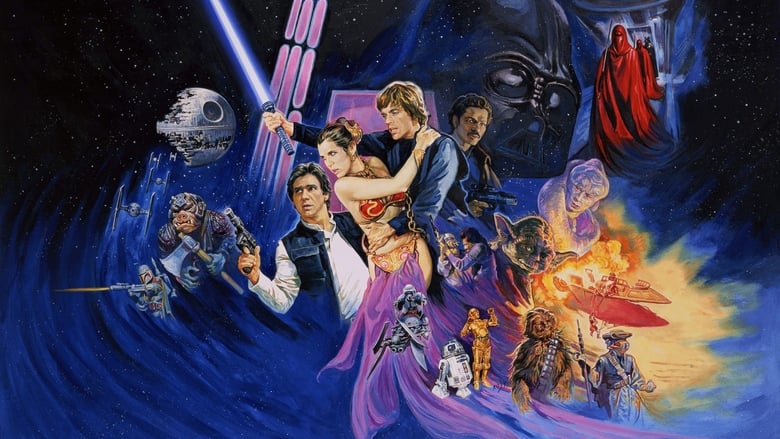
Return of the Jedi brings the original Star Wars trilogy to a rousing and emotionally resonant close, picking up after the cliffhanger ending of The Empire Strikes Back. The film interweaves three major narrative threads: Luke Skywalker's final confrontation with Darth Vader and the Emperor, the Rebel Alliance's desperate mission to destroy a second Death Star, and the ground team's adventure on the forest moon of Endor to disable the battle station's shield generator. It is a film defined by its high-stakes space battles, the introduction of iconic creatures like the Ewoks, and the ultimate redemption of Anakin Skywalker.
Director Richard Marquand was a somewhat surprising choice to helm the finale, with Steven Spielberg, David Lynch, and David Cronenberg all having been considered. Marquand worked closely with George Lucas, who was heavily involved on set, and the production relied extensively on Lucas's detailed storyboards. The script was hammered out in a two-week conference between Lucas, Lawrence Kasdan, Marquand, and producer Howard Kazanjian, with Kasdan pushing for a darker, more bittersweet tone, though Lucas ultimately opted for a happier, more celebratory ending.
The film was a massive commercial success, becoming the highest-grossing film of 1983, and was praised for its visual effects, John Williams's score, and the satisfying conclusion to Luke's journey. While the Ewoks proved divisive among some older fans, the film's emotional core—the father-son dynamic between Luke and Vader—remains one of the most powerful arcs in blockbuster cinema. It marked the end of an era, concluding the saga until the prequel trilogy began sixteen years later.

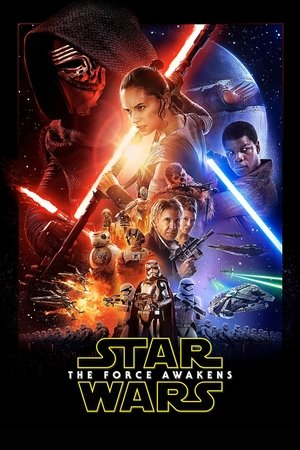
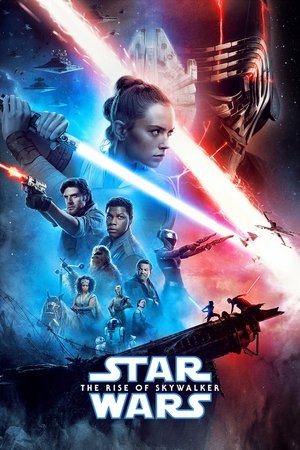
The Skywalker Saga is the central nine-film epic of the Star Wars franchise, spanning over four decades of cinema from 1977 to 2019. Comprising the original trilogy, the prequel trilogy, and the sequel trilogy, it chronicles the rise, fall, and redemption of the Skywalker family across three generations. The saga begins with the fall of the Galactic Republic and the transformation of Anakin Skywalker into Darth Vader, continues through the rebellion against the Galactic Empire led by Luke Skywalker and Princess Leia, and concludes with Rey's journey to confront the resurgent darkness of the First Order.
Across its nine chapters, the saga explores enduring themes of hope, redemption, the corrupting influence of power, and the enduring struggle between light and dark. George Lucas's original vision of a mythic space opera — influenced by Joseph Campbell's hero's journey, samurai cinema, and Flash Gordon serials — evolved into a cultural phenomenon that redefined blockbuster filmmaking. The prequel trilogy expanded the political and philosophical dimensions of the universe, while the sequel trilogy grappled with legacy, identity, and the question of whether the cycle of conflict can ever truly be broken.
As a complete narrative work, the Skywalker Saga represents one of the most ambitious storytelling undertakings in film history. Its impact on popular culture, visual effects technology, and the concept of franchised world-building is immeasurable. Each trilogy reflects the filmmaking sensibilities of its era while maintaining a cohesive mythology about the Skywalker bloodline and its pivotal role in the fate of the galaxy.
Star Wars is an American epic space-opera franchise created by George Lucas, which began with the 1977 film *Star Wars* (later subtitled *Episode IV: A New Hope*). It quickly became a worldwide pop-culture phenomenon, spawning sequels, prequels, spin-off films, television series, novels, comics, video games, and theme park attractions. Set in a distant galaxy, the franchise explores timeless themes of heroism, tyranny, redemption, and the mystical Force, weaving a sprawling narrative that has captivated audiences for generations.
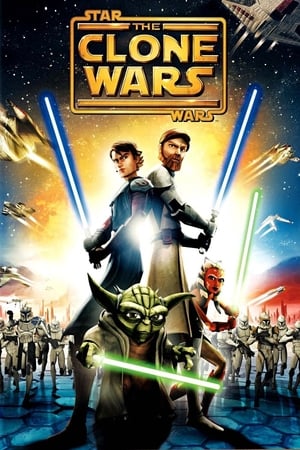
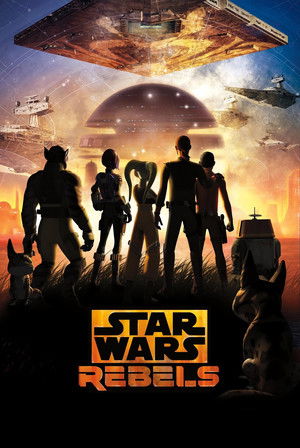
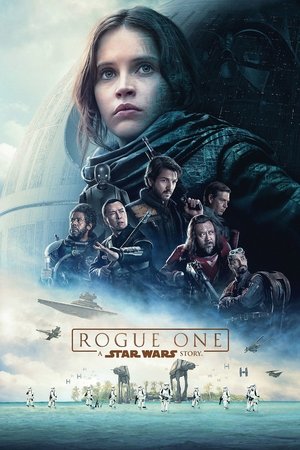
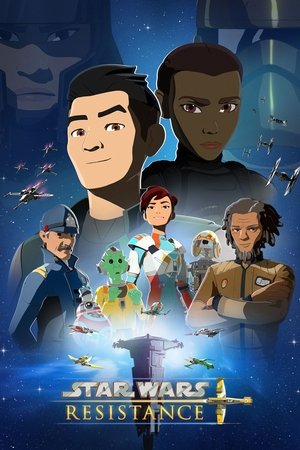
Over decades, the saga has expanded through multiple eras, from the original trilogy's classic battle between the Rebel Alliance and the Galactic Empire, to the prequel trilogy's tragic fall of Anakin Skywalker, and the sequel trilogy's rise of new heroes like Rey and Kylo Ren. Anthology stories, such as *Rogue One* and *Solo*, have deepened the lore, while animated series like *Star Wars: The Clone Wars* and *Star Wars Rebels* have fleshed out key characters and conflicts. This continuous expansion has shaped modern blockbuster filmmaking, introducing groundbreaking special effects and serialized storytelling that influenced countless other franchises.
Culturally, *Star Wars* has generated a devoted global fanbase, inspiring everything from merchandise and fan conventions to academic analysis and political discourse. Its iconic characters—Luke Skywalker, Darth Vader, Princess Leia, and Yoda—have become archetypes, while the Force has entered everyday language as a metaphor for balance and destiny. Despite shifts in ownership from Lucasfilm to Disney, the franchise remains a dominant force in entertainment, constantly reinventing itself through new media while honoring its mythic roots.
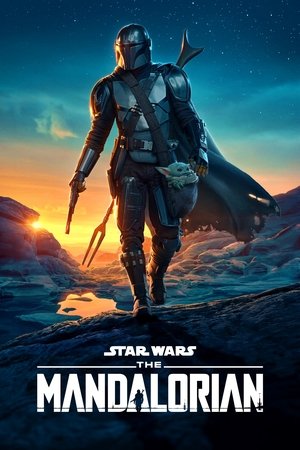
The franchise's legacy is marked by its pioneering use of visual effects, sound design, and musical scores, particularly the work of Industrial Light & Magic and composer John Williams. It has also been a trailblazer in transmedia storytelling, with the Expanded Universe (now branded as Legends) and the current canon encompassing a vast array of interconnected stories across different platforms. The acquisition by The Walt Disney Company in 2012 ushered in a new era of films, live-action series on Disney+ such as *The Mandalorian*, and immersive experiences like *Star Wars: Galaxy's Edge*, ensuring the saga's continued relevance and expansion.