🎬 Star Wars: The Rise of Skywalker (2019)
Part of Star Wars: The Skywalker Saga
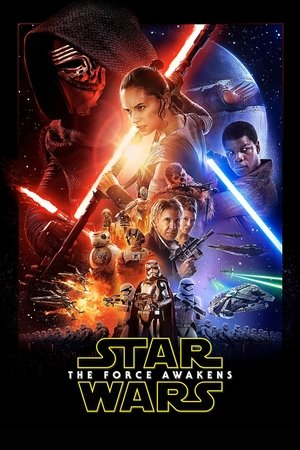
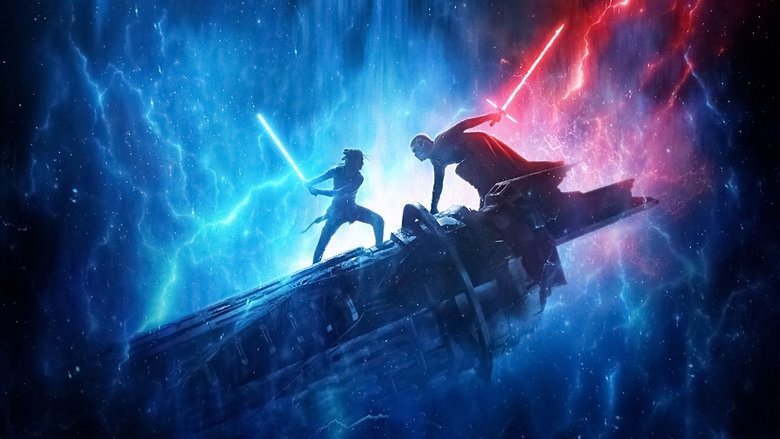
Star Wars: The Rise of Skywalker arrived in 2019 as the grand finale to both the sequel trilogy and the nine-episode Skywalker saga that began over four decades earlier. Directed by J. J. Abrams, who returned to the franchise after helming The Force Awakens, the film faced the monumental task of wrapping up a sprawling narrative while addressing the creative divergences of its predecessor, The Last Jedi. The story reunites Rey, Finn, and Poe Dameron as they lead the Resistance in a desperate final stand against the First Order, only to discover that the greatest threat is the resurrected Emperor Palpatine, revealed to be Rey's paternal grandfather.
The production itself was a saga of shifting visions. Originally, Colin Trevorrow was slated to direct and co-write the film, but he departed in 2017 due to creative differences with Lucasfilm president Kathleen Kennedy. Abrams stepped back in, co-writing the script with Chris Terrio. The film is notable for incorporating unused footage of the late Carrie Fisher from The Force Awakens to give General Leia Organa a meaningful presence in the story. With a staggering net budget of around $490 million, it ranks among the most expensive films ever made, and it features the final Star Wars score composed by the legendary John Williams.
Upon release, The Rise of Skywalker polarized audiences and critics alike. Some praised its emotional payoffs, visual spectacle, and the redemptive arc of Adam Driver's Kylo Ren, while others found its rapid pacing and narrative retcons, particularly regarding Rey's lineage and Palpatine's return, to be a jarring course correction from The Last Jedi. Despite the divided reception, the film was a commercial juggernaut, crossing the billion-dollar mark at the global box office and cementing its place as a major cultural event.
Beyond the screen, the film sparked endless debate about franchise storytelling and fan service. It attempted to honor the legacy of the original trilogy while forging a new path for its heroes, culminating in a final scene on Tatooine where Rey adopts the Skywalker name, symbolically laying the past to rest. Whether viewed as a triumphant conclusion or a messy compromise, The Rise of Skywalker remains a fascinating, ambitious, and deeply contested chapter in the Star Wars universe.

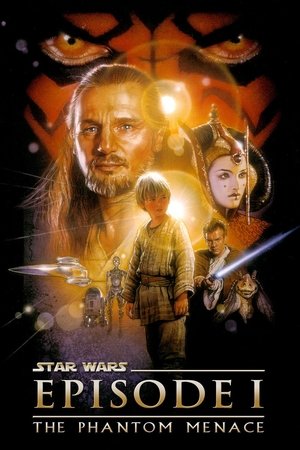
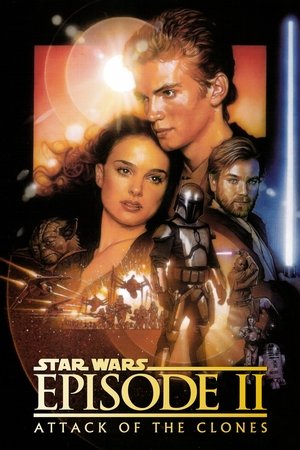
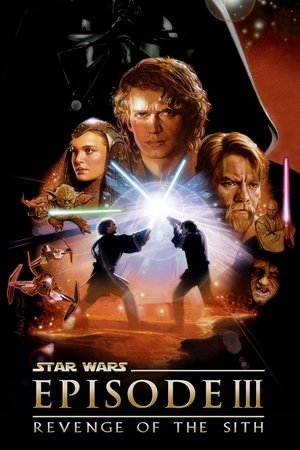
The Skywalker Saga is the central nine-film epic of the Star Wars franchise, spanning over four decades of cinema from 1977 to 2019. Comprising the original trilogy, the prequel trilogy, and the sequel trilogy, it chronicles the rise, fall, and redemption of the Skywalker family across three generations. The saga begins with the fall of the Galactic Republic and the transformation of Anakin Skywalker into Darth Vader, continues through the rebellion against the Galactic Empire led by Luke Skywalker and Princess Leia, and concludes with Rey's journey to confront the resurgent darkness of the First Order.
Across its nine chapters, the saga explores enduring themes of hope, redemption, the corrupting influence of power, and the enduring struggle between light and dark. George Lucas's original vision of a mythic space opera — influenced by Joseph Campbell's hero's journey, samurai cinema, and Flash Gordon serials — evolved into a cultural phenomenon that redefined blockbuster filmmaking. The prequel trilogy expanded the political and philosophical dimensions of the universe, while the sequel trilogy grappled with legacy, identity, and the question of whether the cycle of conflict can ever truly be broken.
As a complete narrative work, the Skywalker Saga represents one of the most ambitious storytelling undertakings in film history. Its impact on popular culture, visual effects technology, and the concept of franchised world-building is immeasurable. Each trilogy reflects the filmmaking sensibilities of its era while maintaining a cohesive mythology about the Skywalker bloodline and its pivotal role in the fate of the galaxy.
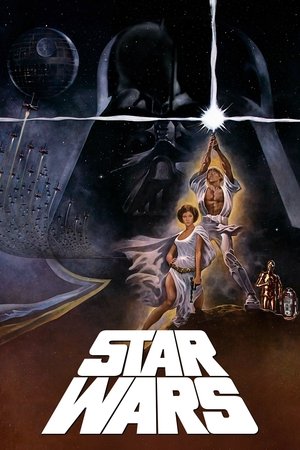
Star Wars is an American epic space-opera franchise created by George Lucas, which began with the 1977 film *Star Wars* (later subtitled *Episode IV: A New Hope*). It quickly became a worldwide pop-culture phenomenon, spawning sequels, prequels, spin-off films, television series, novels, comics, video games, and theme park attractions. Set in a distant galaxy, the franchise explores timeless themes of heroism, tyranny, redemption, and the mystical Force, weaving a sprawling narrative that has captivated audiences for generations.
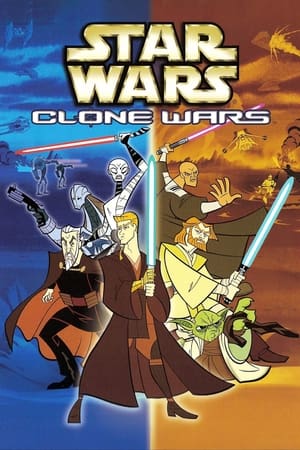
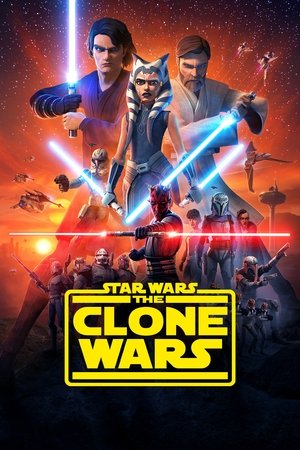
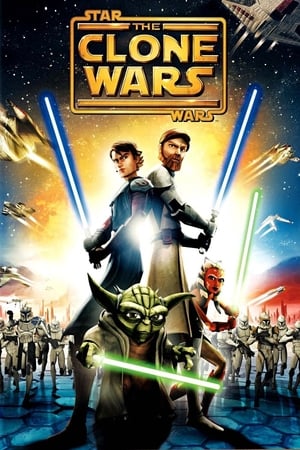
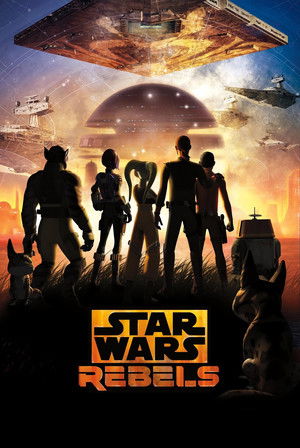
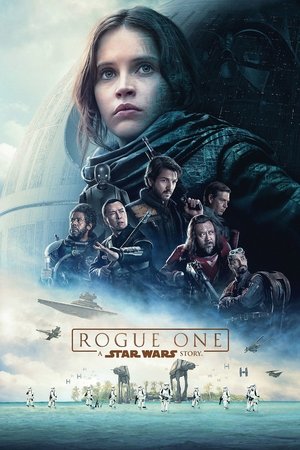
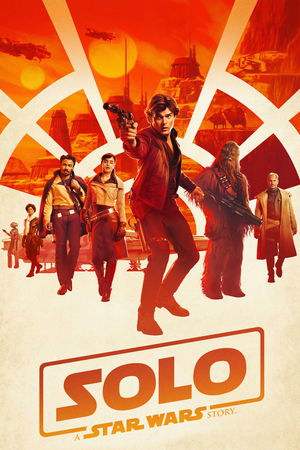
Over decades, the saga has expanded through multiple eras, from the original trilogy's classic battle between the Rebel Alliance and the Galactic Empire, to the prequel trilogy's tragic fall of Anakin Skywalker, and the sequel trilogy's rise of new heroes like Rey and Kylo Ren. Anthology stories, such as *Rogue One* and *Solo*, have deepened the lore, while animated series like *Star Wars: The Clone Wars* and *Star Wars Rebels* have fleshed out key characters and conflicts. This continuous expansion has shaped modern blockbuster filmmaking, introducing groundbreaking special effects and serialized storytelling that influenced countless other franchises.
Culturally, *Star Wars* has generated a devoted global fanbase, inspiring everything from merchandise and fan conventions to academic analysis and political discourse. Its iconic characters—Luke Skywalker, Darth Vader, Princess Leia, and Yoda—have become archetypes, while the Force has entered everyday language as a metaphor for balance and destiny. Despite shifts in ownership from Lucasfilm to Disney, the franchise remains a dominant force in entertainment, constantly reinventing itself through new media while honoring its mythic roots.
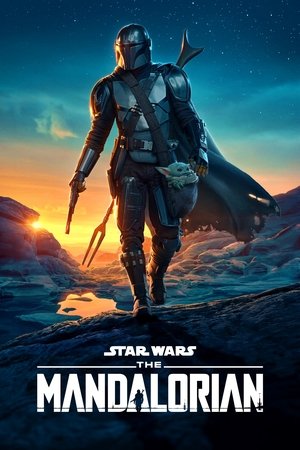
The franchise's legacy is marked by its pioneering use of visual effects, sound design, and musical scores, particularly the work of Industrial Light & Magic and composer John Williams. It has also been a trailblazer in transmedia storytelling, with the Expanded Universe (now branded as Legends) and the current canon encompassing a vast array of interconnected stories across different platforms. The acquisition by The Walt Disney Company in 2012 ushered in a new era of films, live-action series on Disney+ such as *The Mandalorian*, and immersive experiences like *Star Wars: Galaxy's Edge*, ensuring the saga's continued relevance and expansion.