🎬 Star Wars: The Force Awakens (2015)
Part of Star Wars: The Skywalker Saga
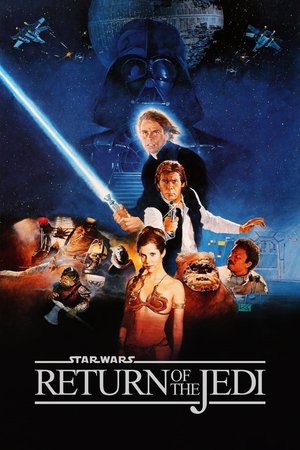
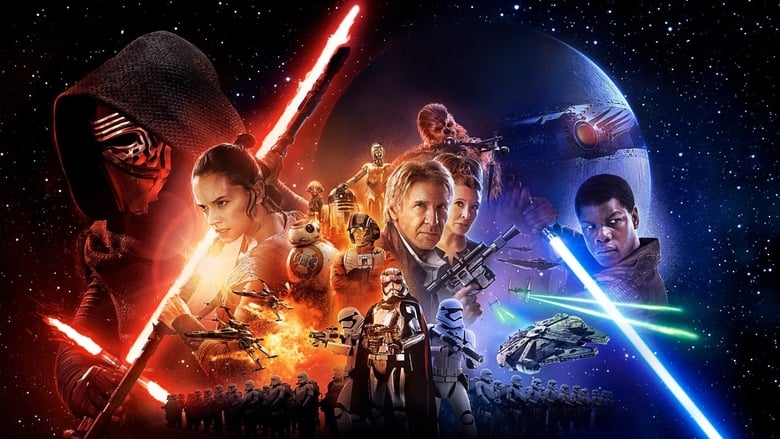
Star Wars: The Force Awakens successfully relaunched the Skywalker Saga for a new generation, acting as a direct sequel to 1983's Return of the Jedi. Set thirty years after the fall of the Galactic Empire, the film masterfully blends nostalgia with fresh faces, introducing audiences to the desert scavenger Rey, the rogue stormtrooper Finn, and the hotshot pilot Poe Dameron. Their paths collide with legacy characters like Han Solo and General Leia Organa as they confront the First Order, a regime risen from the Empire's ashes, and its dark enforcer, Kylo Ren.
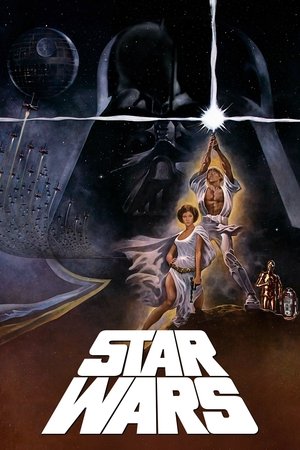
Directed by J.J. Abrams, the film deliberately echoed the structure and spirit of the original 1977 Star Wars, a choice that drew both praise for its comforting familiarity and criticism for its derivative plot. The search for the vanished Luke Skywalker serves as the narrative's central MacGuffin, driving the action from the sands of Jakku to the forested battleground of Starkiller Base. The film marked a historic moment as the first Star Wars episode produced without the direct involvement of creator George Lucas, following Disney's acquisition of Lucasfilm.
Upon its release, The Force Awakens shattered box office records, becoming the highest-grossing film in North America at the time and igniting a new era of Star Wars storytelling. The dynamic between the new leads, particularly the instant chemistry between Ridley's Rey and Boyega's Finn, was widely celebrated, while Adam Driver's volatile and conflicted Kylo Ren was hailed as a compelling new villain. The film's emotional core, however, rested on the poignant reunion of Harrison Ford and Carrie Fisher, and a climactic confrontation that delivered one of the saga's most shocking and heartbreaking moments.

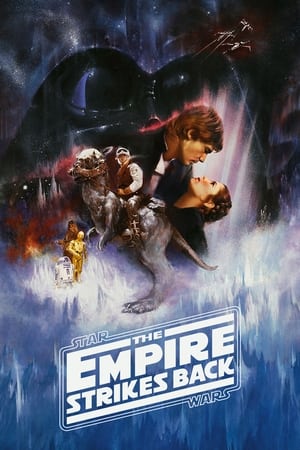
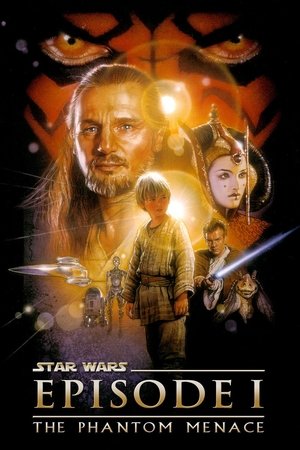
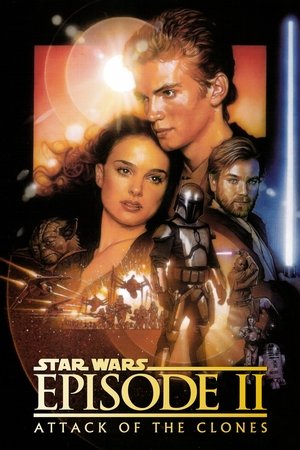
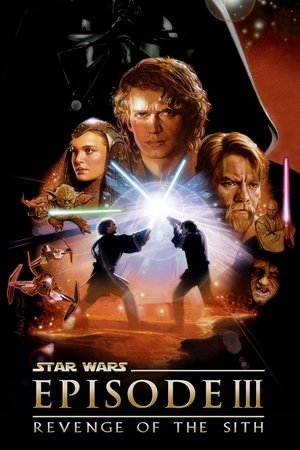
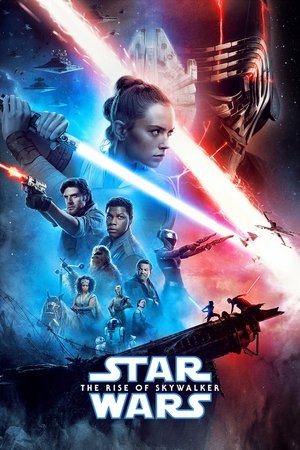
The Skywalker Saga is the central nine-film epic of the Star Wars franchise, spanning over four decades of cinema from 1977 to 2019. Comprising the original trilogy, the prequel trilogy, and the sequel trilogy, it chronicles the rise, fall, and redemption of the Skywalker family across three generations. The saga begins with the fall of the Galactic Republic and the transformation of Anakin Skywalker into Darth Vader, continues through the rebellion against the Galactic Empire led by Luke Skywalker and Princess Leia, and concludes with Rey's journey to confront the resurgent darkness of the First Order.
Across its nine chapters, the saga explores enduring themes of hope, redemption, the corrupting influence of power, and the enduring struggle between light and dark. George Lucas's original vision of a mythic space opera — influenced by Joseph Campbell's hero's journey, samurai cinema, and Flash Gordon serials — evolved into a cultural phenomenon that redefined blockbuster filmmaking. The prequel trilogy expanded the political and philosophical dimensions of the universe, while the sequel trilogy grappled with legacy, identity, and the question of whether the cycle of conflict can ever truly be broken.
As a complete narrative work, the Skywalker Saga represents one of the most ambitious storytelling undertakings in film history. Its impact on popular culture, visual effects technology, and the concept of franchised world-building is immeasurable. Each trilogy reflects the filmmaking sensibilities of its era while maintaining a cohesive mythology about the Skywalker bloodline and its pivotal role in the fate of the galaxy.
Star Wars is an American epic space-opera franchise created by George Lucas, which began with the 1977 film *Star Wars* (later subtitled *Episode IV: A New Hope*). It quickly became a worldwide pop-culture phenomenon, spawning sequels, prequels, spin-off films, television series, novels, comics, video games, and theme park attractions. Set in a distant galaxy, the franchise explores timeless themes of heroism, tyranny, redemption, and the mystical Force, weaving a sprawling narrative that has captivated audiences for generations.
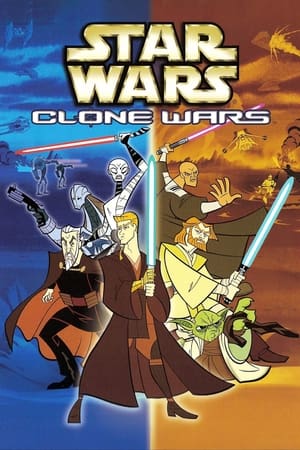
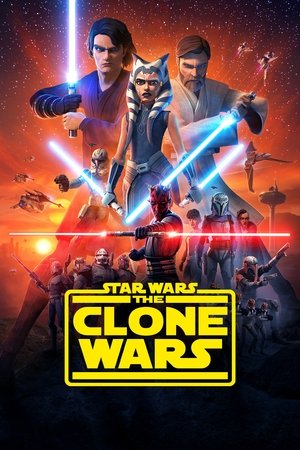
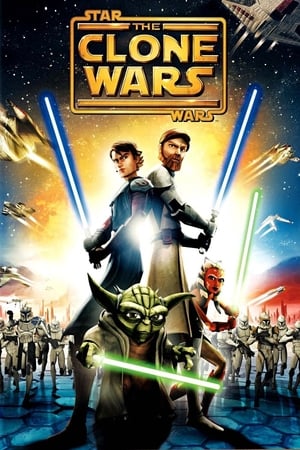
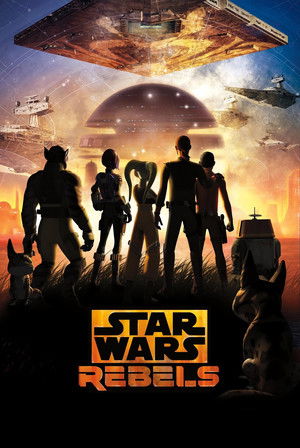
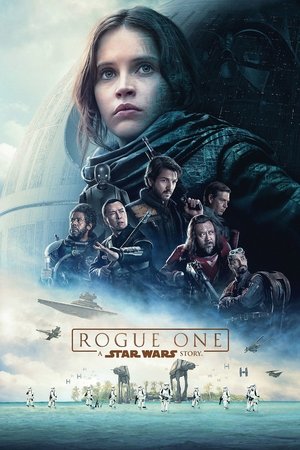
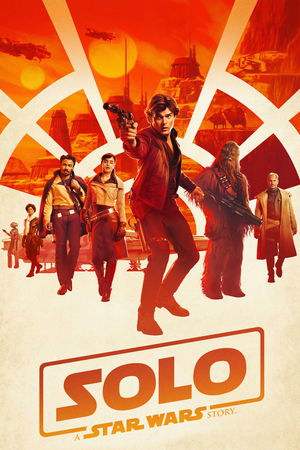
Over decades, the saga has expanded through multiple eras, from the original trilogy's classic battle between the Rebel Alliance and the Galactic Empire, to the prequel trilogy's tragic fall of Anakin Skywalker, and the sequel trilogy's rise of new heroes like Rey and Kylo Ren. Anthology stories, such as *Rogue One* and *Solo*, have deepened the lore, while animated series like *Star Wars: The Clone Wars* and *Star Wars Rebels* have fleshed out key characters and conflicts. This continuous expansion has shaped modern blockbuster filmmaking, introducing groundbreaking special effects and serialized storytelling that influenced countless other franchises.
Culturally, *Star Wars* has generated a devoted global fanbase, inspiring everything from merchandise and fan conventions to academic analysis and political discourse. Its iconic characters—Luke Skywalker, Darth Vader, Princess Leia, and Yoda—have become archetypes, while the Force has entered everyday language as a metaphor for balance and destiny. Despite shifts in ownership from Lucasfilm to Disney, the franchise remains a dominant force in entertainment, constantly reinventing itself through new media while honoring its mythic roots.
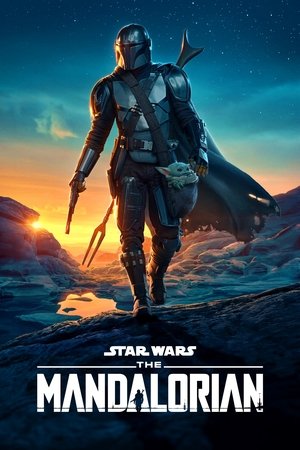
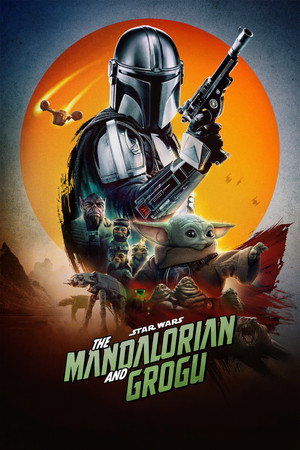
The franchise's legacy is marked by its pioneering use of visual effects, sound design, and musical scores, particularly the work of Industrial Light & Magic and composer John Williams. It has also been a trailblazer in transmedia storytelling, with the Expanded Universe (now branded as Legends) and the current canon encompassing a vast array of interconnected stories across different platforms. The acquisition by The Walt Disney Company in 2012 ushered in a new era of films, live-action series on Disney+ such as *The Mandalorian*, and immersive experiences like *Star Wars: Galaxy's Edge*, ensuring the saga's continued relevance and expansion.