Star Wars: The Ewok Adventures
Collection 🎬 Collection
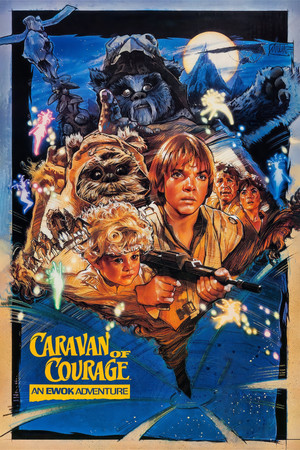
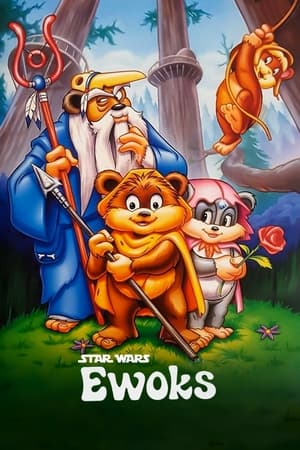
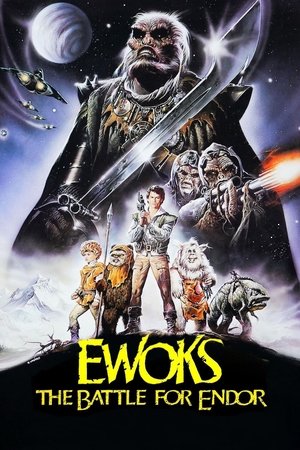
Originally conceived as a modest television special to entertain George Lucas's young daughter, the project quickly evolved into a feature-length television duology when network executives requested a longer format. Set within the expansive Star Wars universe, these stories shift the focus away from galactic wars and space operas to ground-level fantasy adventures on a remote forest moon. The narrative framework embraces classic quest and survival tropes, blending primitive tribal cultures with subtle sci-fi elements to create a unique hybrid genre experience.
Thematically, the series explores friendship, courage, and the bond between different species facing overwhelming odds. By placing human characters in a vulnerable position among a smaller, indigenous population, the stories invert traditional power dynamics and emphasize cooperation over conflict. The lush, natural settings and creature-driven storytelling were deliberately crafted to appeal to younger audiences while maintaining a connection to the broader mythos.
Culturally, the franchise holds a nostalgic place in the history of expanded universe storytelling. Released during a transitional period for the franchise, it demonstrated the creative team's willingness to experiment with tone and format outside of theatrical blockbusters. Though often viewed through a lens of retro charm today, these television films successfully introduced a new generation to the galaxy far, far away and remain a fascinating footnote in the evolution of cinematic world-building.