🎬 A Desperate Chance for Ellery Queen (1942)
Part of Ellery Queen
A Desperate Chance for Ellery Queen is a 1942 mystery film that brings the famous literary sleuth to the screen in a story adapted from the stage. The film is based on the 1940 play A Good Samaritan, written by the character's creators, Frederic Dannay and Manfred B. Lee, under the name Ellery Queen. This adaptation is notable for being one of the few times a Queen story was written directly for the stage before being turned into a movie, rather than being adapted from one of the popular novels.
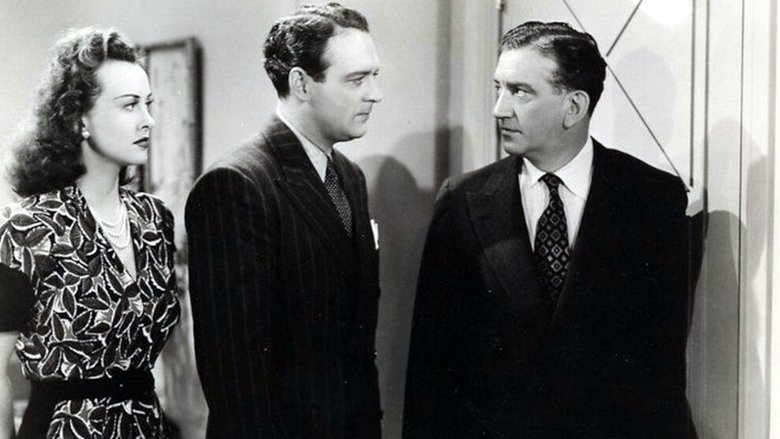
The film stars William Gargan as the brilliant detective Ellery Queen, with Margaret Lindsay as his capable secretary and assistant, Nikki Porter. The plot follows the duo as a routine business trip to California plunges them into a tangled case involving a man presumed dead, who resurfaces amidst allegations of embezzlement, money laundering, and murder. The story maintains the classic Queen formula of intricate plotting and clever misdirection, as Ellery and Nikki work to stay one step ahead of both the criminals and the police.
Directed by James P. Hogan for Columbia Pictures, the film was part of a series of Ellery Queen B-movies produced in the early 1940s. These films helped cement the character's place in popular culture beyond the printed page, alongside the concurrent and highly successful radio series. While the film adaptations often took liberties with the source material and varied in their fidelity to the novels, they were instrumental in establishing the visual iconography of the detective for a nationwide audience.

"A Good Samaritan" is a mystery play written in 1940 by the celebrated American crime fiction duo Frederic Dannay and Manfred B. Lee, under their shared pseudonym Ellery Queen. The play features their iconic detective character, Ellery Queen, an intellectual sleuth known for solving intricate crimes through logical deduction. The story involves the detective being drawn into a case concerning a man who has disappeared after being accused of embezzlement, leading to a web of murder and deception.
The play was part of the broader Ellery Queen franchise, which had already achieved immense popularity through a series of novels and a successful radio program, "The Adventures of Ellery Queen," which debuted in 1939. "A Good Samaritan" was specifically written for the stage, showcasing the character's transition from page and radio to live theatrical performance. It contributed to the character's cultural footprint during the Golden Age of Detective Fiction, demonstrating the versatility of the Ellery Queen property across different entertainment mediums.
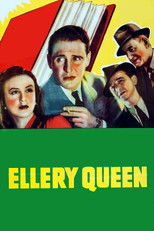
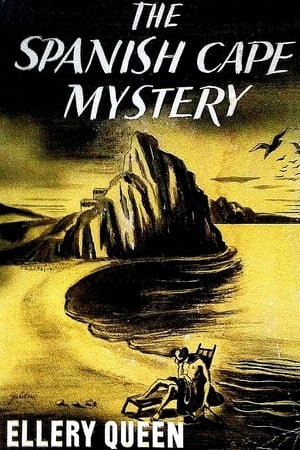
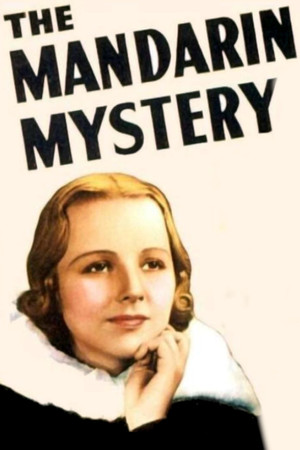
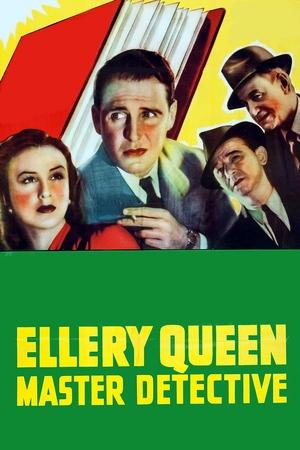
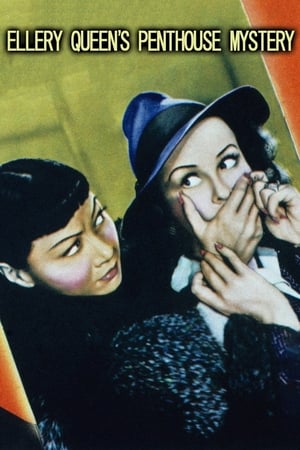
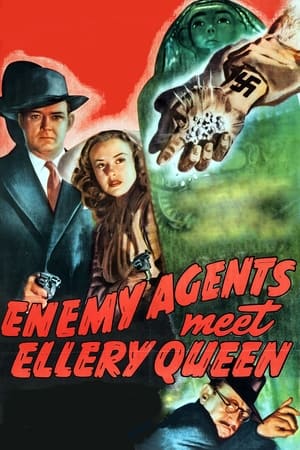
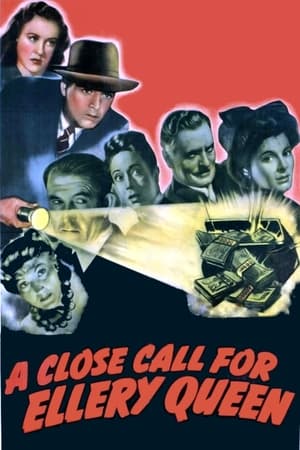
The Ellery Queen collection represents a significant chapter in the fair-play mystery tradition, bringing the celebrated amateur sleuth from the page to the screen across a series of films in the 1930s and 1940s. Originating from the collaborative pseudonym of cousins Frederic Dannay and Manfred B. Lee, the character first appeared in novels in 1929, quickly establishing a devoted readership through intricate puzzles and a signature 'Challenge to the Reader' that dared audiences to solve the crime before the final reveal. This interactive ethos translated naturally to cinema, where the collection of films adapted the character's urbane intellect and complex cases for a visual medium, capturing the sophisticated yet accessible tone of the source material. The early entries, including *The Spanish Cape Mystery* and *The Mandarin Mystery*, introduced the detective's world of high-stakes deduction, while later films found a comfortable B-movie rhythm with actors like Ralph Bellamy and William Gargan portraying Queen in a string of brisk, urban mysteries for Columbia Pictures. These pictures, though modest in budget, were rich in atmosphere and plot, cementing Queen's cinematic identity as a sharp-witted problem-solver navigating a world of shadowy suspects and intricate alibis. The collection demonstrates an early understanding of serialized storytelling, with titles such as *A Close Call for Ellery Queen* and *A Desperate Chance for Ellery Queen* maintaining narrative momentum and encouraging audience loyalty. Beyond their entertainment value, these films reflect the era's cultural anxieties, weaving elements of espionage and wartime intrigue into the classic detective framework, as seen in *Enemy Agents Meet Ellery Queen*. The Ellery Queen collection endures as a testament to the character's adaptability and the lasting appeal of intellectual challenge in mystery storytelling.