🎬 Ellery Queen's Penthouse Mystery (1941)
Part of Ellery Queen
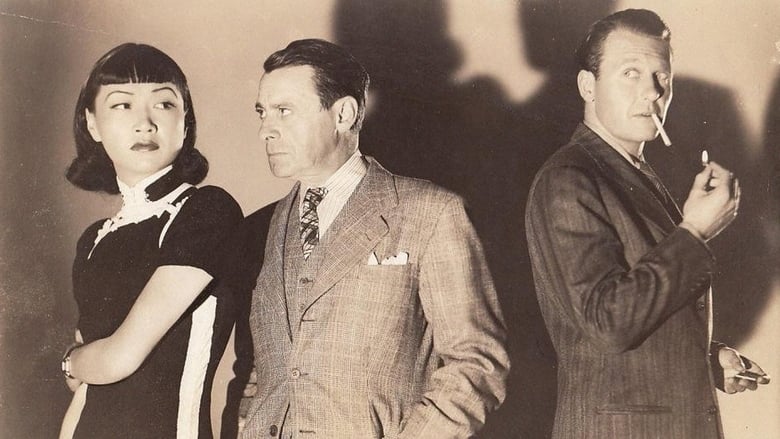
"Ellery Queen's Penthouse Mystery" is a 1941 American mystery film directed by James P. Hogan and starring Ralph Bellamy as the titular detective. The film is based on the 1939 play "The Three Scratches" by Ellery Queen, the pseudonym of Frederic Dannay and Manfred B. Lee. In the story, Ellery Queen investigates a murder in a penthouse apartment, where the key clue is a set of three scratches. The film features a cast including Margaret Lindsay, Charley Grapewin, and Anna May Wong.
This film was part of a series of Ellery Queen movies produced by Columbia Pictures in the early 1940s, with Ralph Bellamy portraying the detective in several entries. Unlike some of the other films in the series, which were based on Queen's novels, "Penthouse Mystery" adapted a stage play, giving it a more contained, theatrical feel. The screenplay by Eric Taylor expands the play's setting and adds additional characters, while retaining the core puzzle and solution.
The film was released on March 24, 1941, and received generally positive reviews for its brisk pacing and Bellamy's performance. It remains a notable entry in the Ellery Queen film canon, showcasing the transition of the detective from page and stage to screen during Hollywood's golden age of mystery films.
"The Three Scratches" is a radio play written by the collaborative duo Frederic Dannay and Manfred B. Lee, who together used the pseudonym Ellery Queen. It was originally broadcast on December 17, 1939, as part of the CBS radio series "The Adventures of Ellery Queen." The story features the titular amateur detective, a mystery writer who assists his father, Inspector Richard Queen of the New York Police Department, in solving baffling crimes through pure deductive reasoning.
The play is a classic locked-room-style mystery, a format for which the Ellery Queen stories were particularly celebrated. In the narrative, Ellery Queen is called upon to investigate a perplexing death where the only clues are three mysterious scratches found near the body. The plot unfolds with the series' signature style, presenting all the clues to the audience and challenging them to solve the puzzle before the detective reveals the solution. The radio series was notable for featuring a guest "armchair detective" each week who would attempt to solve the crime alongside the fictional sleuth.
As a piece of the larger Ellery Queen canon, "The Three Scratches" represents the character's successful transition from the page to the airwaves. The radio program, which began in 1939, was instrumental in cementing Ellery Queen's place in American popular culture, reaching a nationwide audience and further popularizing the fair-play mystery format. The play was later adapted into a film, demonstrating the cross-media appeal of the detective character during the Golden Age of Detective Fiction.
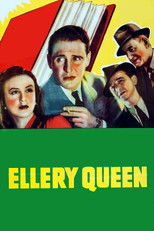
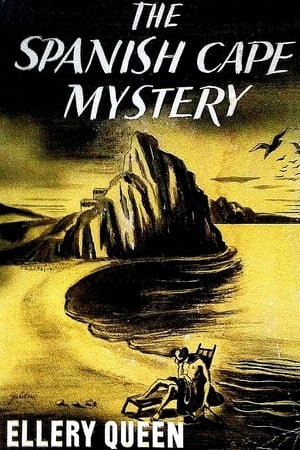
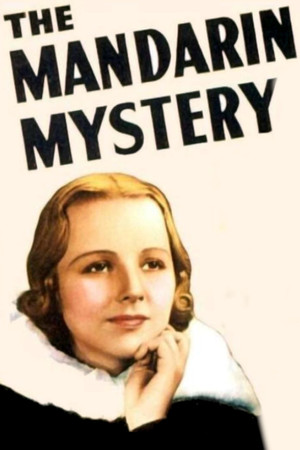
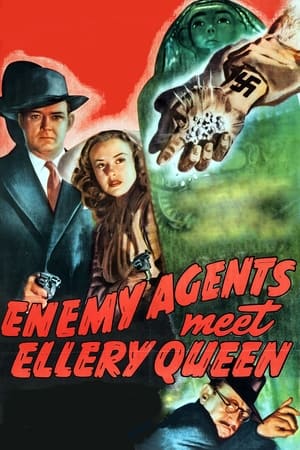
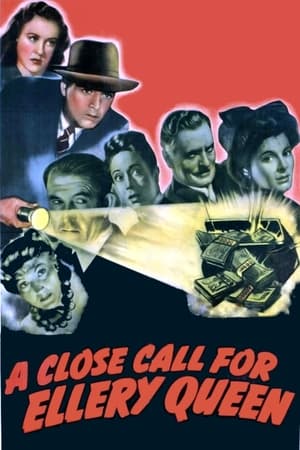
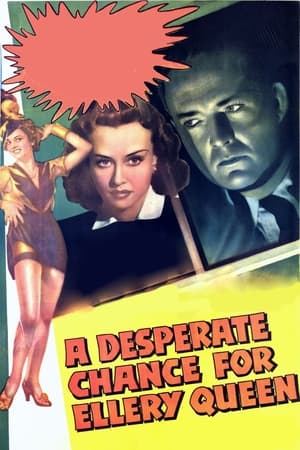
The Ellery Queen collection represents a significant chapter in the fair-play mystery tradition, bringing the celebrated amateur sleuth from the page to the screen across a series of films in the 1930s and 1940s. Originating from the collaborative pseudonym of cousins Frederic Dannay and Manfred B. Lee, the character first appeared in novels in 1929, quickly establishing a devoted readership through intricate puzzles and a signature 'Challenge to the Reader' that dared audiences to solve the crime before the final reveal. This interactive ethos translated naturally to cinema, where the collection of films adapted the character's urbane intellect and complex cases for a visual medium, capturing the sophisticated yet accessible tone of the source material. The early entries, including *The Spanish Cape Mystery* and *The Mandarin Mystery*, introduced the detective's world of high-stakes deduction, while later films found a comfortable B-movie rhythm with actors like Ralph Bellamy and William Gargan portraying Queen in a string of brisk, urban mysteries for Columbia Pictures. These pictures, though modest in budget, were rich in atmosphere and plot, cementing Queen's cinematic identity as a sharp-witted problem-solver navigating a world of shadowy suspects and intricate alibis. The collection demonstrates an early understanding of serialized storytelling, with titles such as *A Close Call for Ellery Queen* and *A Desperate Chance for Ellery Queen* maintaining narrative momentum and encouraging audience loyalty. Beyond their entertainment value, these films reflect the era's cultural anxieties, weaving elements of espionage and wartime intrigue into the classic detective framework, as seen in *Enemy Agents Meet Ellery Queen*. The Ellery Queen collection endures as a testament to the character's adaptability and the lasting appeal of intellectual challenge in mystery storytelling.