🎬 The Mandarin Mystery (1936)
Part of Ellery Queen
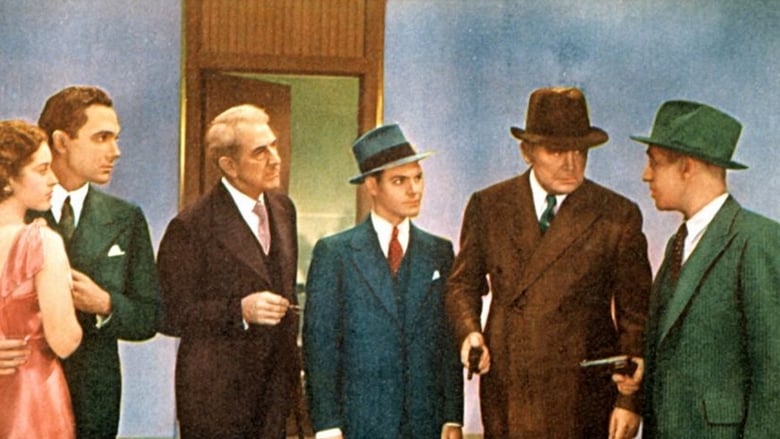
"The Mandarin Mystery" is a 1936 American mystery crime film directed by Ralph Staub, adapted from Ellery Queen's celebrated 1934 novel "The Chinese Orange Mystery." The novel is famous among detective fiction fans for its wildly inventive central puzzle—a murdered man found in a locked room with his clothes on backwards, the furniture reversed, and spears propping up the body. The film, produced by Republic Pictures, takes considerable liberties with the source material, transforming the intricate locked-room mystery into a breezy B-movie caper centered on a stolen Chinese Mandarin postage stamp.
The film features Eddie Quillan as Ellery Queen, marking one of the earliest screen portrayals of the famous detective. Unlike the sophisticated, intellectual sleuth of the novels, Quillan's Ellery is played more as a fast-talking, wisecracking young writer. The supporting cast includes Charlotte Henry as Josephine Temple, Rita La Roy as Martha Kirk, and Wade Boteler as Inspector Richard Queen, Ellery's father. Franklin Pangborn provides comic relief as the fussy hotel manager Mellish, a character type he perfected throughout the 1930s and 1940s.
"The Mandarin Mystery" belongs to a loose collection of Ellery Queen film adaptations from the 1930s and 1940s, though the series lacked continuity in casting and tone. While the novel is considered one of Queen's most ingenious locked-room mysteries, the film adaptation streamlines the plot considerably, focusing more on the stamp theft and counterfeit ring than on the backwards-room puzzle that made the book famous. At just over an hour long, it reflects the era's appetite for quick, entertaining mystery programmers rather than faithful literary adaptations.

The Chinese Orange Mystery is a detective novel written by Ellery Queen, the pseudonym of cousins Frederic Dannay and Manfred Bennington Lee. Subtitled "A Problem in Deduction," it was first published in condensed form in the June 1934 issue of Redbook magazine before being released as a full novel. It is the eighth book in the long-running Ellery Queen mystery series.
The story presents a famously bizarre and complex locked-room puzzle. A wealthy publisher and collector is found murdered in a hotel anteroom under baffling circumstances: his clothing has been put on backwards, all the furniture in the room has been turned around, and two African spears have been thrust through his clothes to prop up the body. The victim had been left alone in the locked room with only a bowl of fruit, including tangerines—the "Chinese oranges" of the title—and no one was seen entering or exiting.
The novel is highly regarded among classic detective fiction enthusiasts for its intricate plotting and its central "backwards" clue. In a poll of 17 detective story writers and reviewers, The Chinese Orange Mystery was voted the eighth best locked-room mystery of all time, cementing its place as one of the most ingenious puzzles in the Ellery Queen canon.
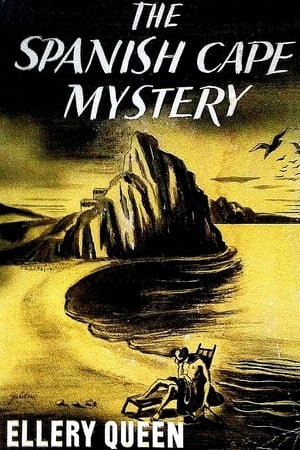
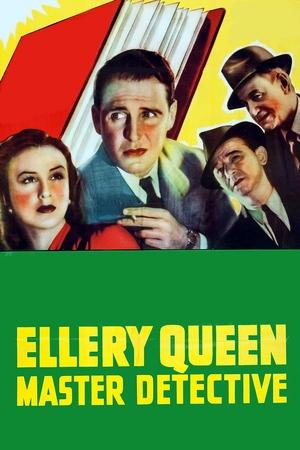
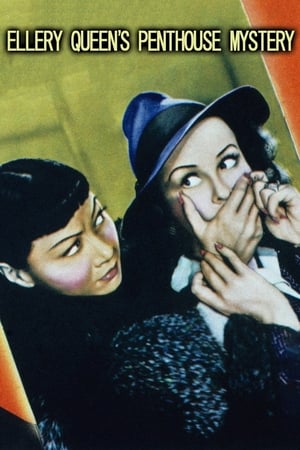
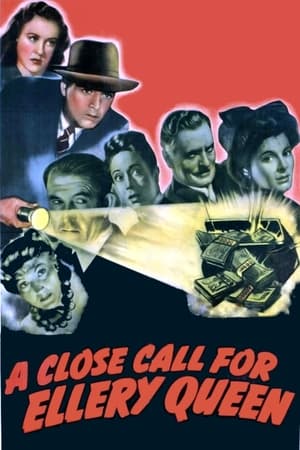
The Ellery Queen collection represents a significant chapter in the fair-play mystery tradition, bringing the celebrated amateur sleuth from the page to the screen across a series of films in the 1930s and 1940s. Originating from the collaborative pseudonym of cousins Frederic Dannay and Manfred B. Lee, the character first appeared in novels in 1929, quickly establishing a devoted readership through intricate puzzles and a signature 'Challenge to the Reader' that dared audiences to solve the crime before the final reveal. This interactive ethos translated naturally to cinema, where the collection of films adapted the character's urbane intellect and complex cases for a visual medium, capturing the sophisticated yet accessible tone of the source material. The early entries, including *The Spanish Cape Mystery* and *The Mandarin Mystery*, introduced the detective's world of high-stakes deduction, while later films found a comfortable B-movie rhythm with actors like Ralph Bellamy and William Gargan portraying Queen in a string of brisk, urban mysteries for Columbia Pictures. These pictures, though modest in budget, were rich in atmosphere and plot, cementing Queen's cinematic identity as a sharp-witted problem-solver navigating a world of shadowy suspects and intricate alibis. The collection demonstrates an early understanding of serialized storytelling, with titles such as *A Close Call for Ellery Queen* and *A Desperate Chance for Ellery Queen* maintaining narrative momentum and encouraging audience loyalty. Beyond their entertainment value, these films reflect the era's cultural anxieties, weaving elements of espionage and wartime intrigue into the classic detective framework, as seen in *Enemy Agents Meet Ellery Queen*. The Ellery Queen collection endures as a testament to the character's adaptability and the lasting appeal of intellectual challenge in mystery storytelling.