🎬 Ellery Queen and the Perfect Crime (1941)
Part of Ellery Queen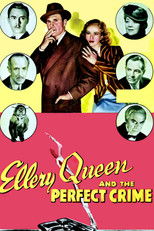
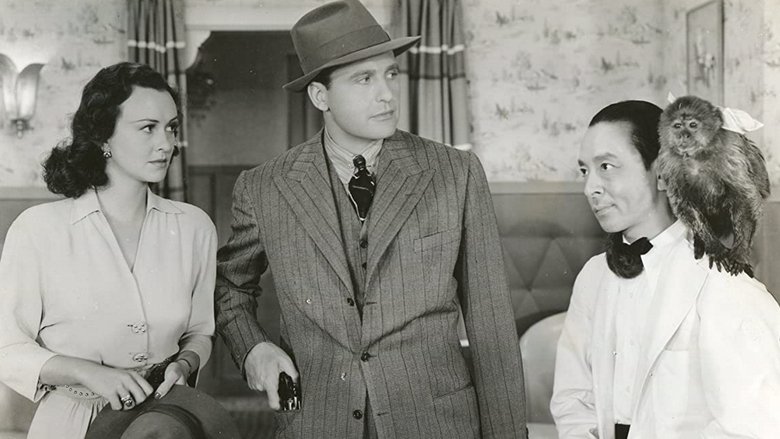
Ellery Queen and the Perfect Crime is a 1941 American mystery film that brings the famed literary detective to the screen in a story loosely adapted from the 1938 novel The Devil to Pay. Directed by James P. Hogan for Columbia Pictures, the film stars Ralph Bellamy in his second outing as Ellery Queen, alongside Margaret Lindsay as his quick-witted secretary Nikki Porter and Charley Grapewin as the ever-exasperated Inspector Queen.
The adaptation takes significant liberties with its source material. The novel's Los Angeles setting and Hollywood satire are largely jettisoned in favor of a more streamlined mystery plot, though the core elements of financial ruin, a complex murder, and a colorful array of suspects remain intact. The film was part of Columbia's ongoing Ellery Queen series, which had begun the previous year and would continue through 1942, with Bellamy eventually passing the role to William Gargan.
As with many B-movie mystery series of the era, Ellery Queen and the Perfect Crime prioritized brisk pacing and character interplay over strict fidelity to the book. The film runs just over an hour and exemplifies the studio system's approach to adapting popular literary properties — retaining the brand recognition and basic premise while reshaping the narrative to fit a formula that audiences had come to expect. Despite the loose connection to the novel, the film remains a charming artifact of early 1940s detective cinema and a notable entry in the screen history of one of fiction's most enduring sleuths.
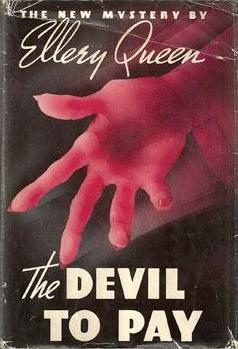
The Devil to Pay is a mystery novel written by the pseudonymous author Ellery Queen, first published in 1938. It is the ninth novel in the long-running Ellery Queen series, which features the eponymous author-detective and his father, Inspector Richard Queen of the New York Police Department. The story revolves around the complex financial dealings and subsequent murder of a shady Hollywood financier, plunging Ellery Queen into a world of stock manipulation, greed, and deception.
The novel is notable for its intricate plot, which involves a locked-room style mystery within the context of high finance rather than a traditional domestic setting. Like many of the early Ellery Queen novels, it features a 'Challenge to the Reader' near the end, where all the clues have been presented and the reader is theoretically able to solve the crime before the solution is revealed. The book was well-received for its clever construction and remains a classic example of the Golden Age of Detective Fiction.
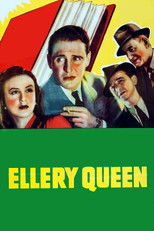
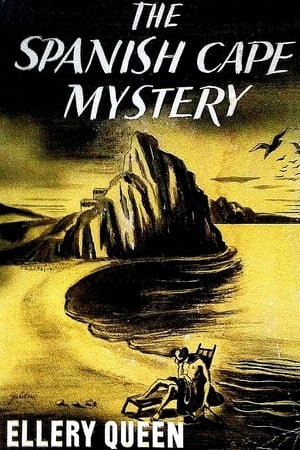
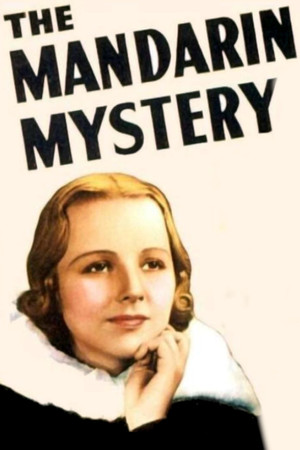
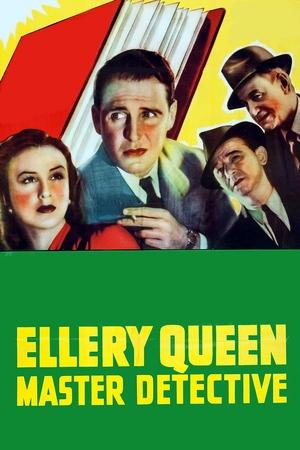
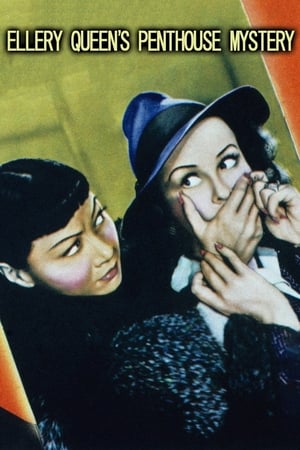
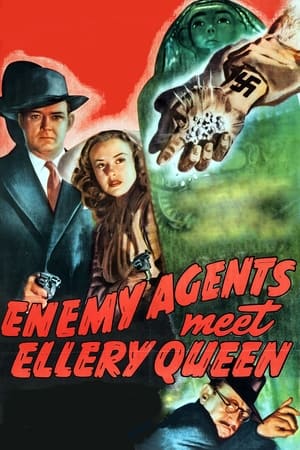
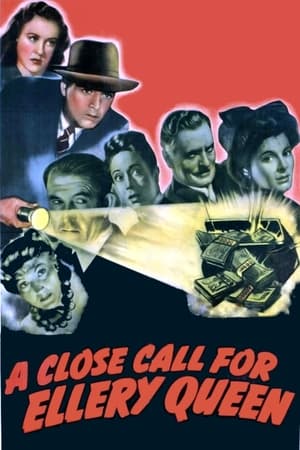
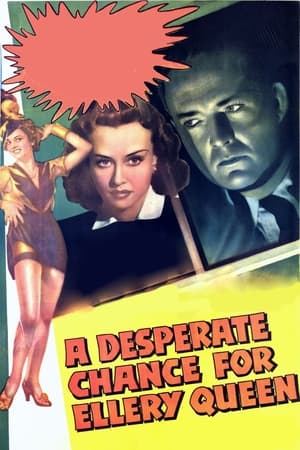
The Ellery Queen collection represents a significant chapter in the fair-play mystery tradition, bringing the celebrated amateur sleuth from the page to the screen across a series of films in the 1930s and 1940s. Originating from the collaborative pseudonym of cousins Frederic Dannay and Manfred B. Lee, the character first appeared in novels in 1929, quickly establishing a devoted readership through intricate puzzles and a signature 'Challenge to the Reader' that dared audiences to solve the crime before the final reveal. This interactive ethos translated naturally to cinema, where the collection of films adapted the character's urbane intellect and complex cases for a visual medium, capturing the sophisticated yet accessible tone of the source material. The early entries, including *The Spanish Cape Mystery* and *The Mandarin Mystery*, introduced the detective's world of high-stakes deduction, while later films found a comfortable B-movie rhythm with actors like Ralph Bellamy and William Gargan portraying Queen in a string of brisk, urban mysteries for Columbia Pictures. These pictures, though modest in budget, were rich in atmosphere and plot, cementing Queen's cinematic identity as a sharp-witted problem-solver navigating a world of shadowy suspects and intricate alibis. The collection demonstrates an early understanding of serialized storytelling, with titles such as *A Close Call for Ellery Queen* and *A Desperate Chance for Ellery Queen* maintaining narrative momentum and encouraging audience loyalty. Beyond their entertainment value, these films reflect the era's cultural anxieties, weaving elements of espionage and wartime intrigue into the classic detective framework, as seen in *Enemy Agents Meet Ellery Queen*. The Ellery Queen collection endures as a testament to the character's adaptability and the lasting appeal of intellectual challenge in mystery storytelling.