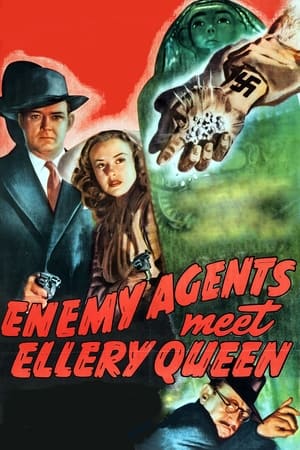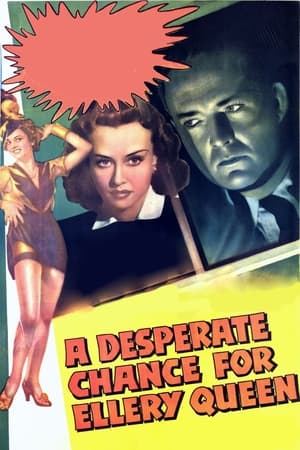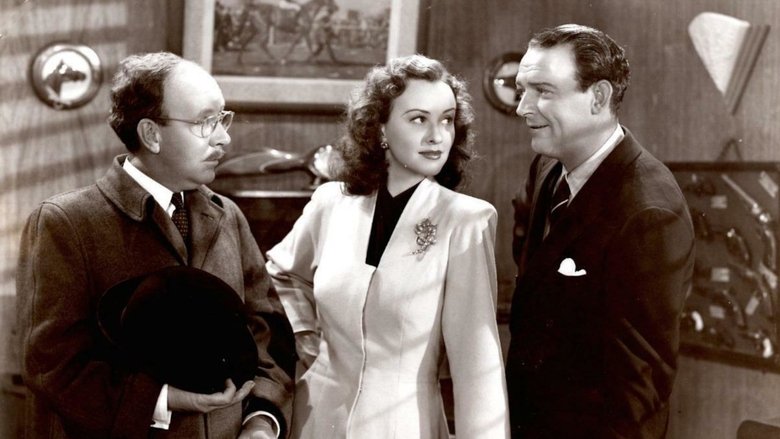
🎬 A Close Call for Ellery Queen (1942)
Part of Ellery Queen
A Close Call for Ellery Queen is a 1942 mystery film that brings the famous literary detective to the screen, adapted from the 1939 Ellery Queen novel The Dragon's Teeth: A Problem in Deduction. The film was one of several Ellery Queen adaptations produced by Columbia Pictures in the early 1940s, a series that saw the character played by a rotating cast of actors. In this installment, William Gargan takes on the role of the brilliant amateur sleuth, with Charley Grapewin appearing as his father, Inspector Richard Queen. The story follows Ellery as he becomes entangled in a complex case involving a missing heir and a fortune at stake.
The adaptation takes significant liberties with the source material, a common practice for the series. While the novel The Dragon's Teeth is a tightly plotted puzzle mystery set in New York, the film relocates much of the action and streamlines the intricate plot for a breezy runtime typical of B-movies of the era. The core premise of a mysterious inheritance and a series of deceptions remains, but the film introduces new characters and comedic elements to suit the screen, shifting the tone away from the pure intellectual deduction of the book toward a more lighthearted, fast-paced whodunit.
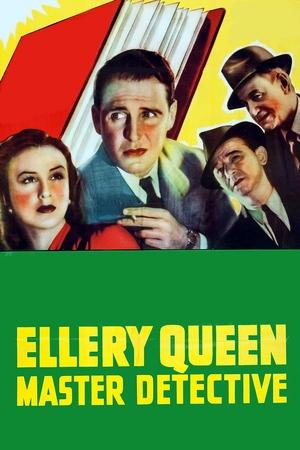
This film is part of a fascinating, if inconsistent, chapter in the character's screen history. Throughout the 1940s, Columbia produced several Ellery Queen pictures with different lead actors, including Ralph Bellamy and William Gargan, each bringing their own interpretation to the role. A Close Call for Ellery Queen stands as a representative example of these wartime programmers—entertaining, unpretentious mystery films designed to fill a double bill, and a curious artifact for fans of the long-running literary franchise.

The Dragon's Teeth, subtitled A Problem in Deduction, is a mystery novel written by the pseudonymous author Ellery Queen, first published in 1939. It is the fifteenth novel in the long-running Ellery Queen series, which features the author's namesake detective and his father, Inspector Richard Queen of the New York Police Department. The story is notable for its intricate plot, which involves a missing heir, a strange will, and a series of murders connected to a wealthy and eccentric family.
The novel is a classic example of the Golden Age of Detective Fiction, characterized by its fair-play clueing and a complex, puzzle-like structure. Ellery Queen, the detective, is presented as a brilliant amateur sleuth who uses pure logic and deduction to solve crimes that baffle the police. The Dragon's Teeth is particularly remembered for its clever central conceit and a solution that hinges on a subtle but crucial piece of evidence, solidifying its reputation among fans of the genre.
As with all early Ellery Queen novels, the book includes a formal 'Challenge to the Reader' just before the final revelation, a signature device where the author directly addresses the audience, stating that all clues necessary to solve the mystery have now been presented. This interactive element was a hallmark of the series and contributed significantly to its immense popularity and the author's status as a master of the detective story.
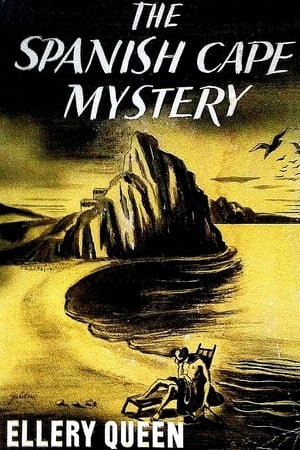
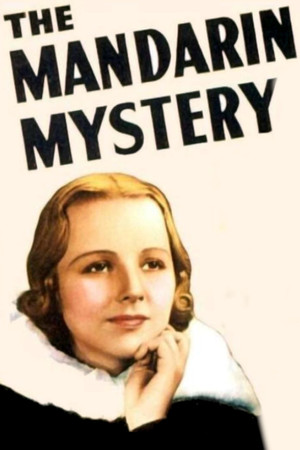
The Ellery Queen collection represents a significant chapter in the fair-play mystery tradition, bringing the celebrated amateur sleuth from the page to the screen across a series of films in the 1930s and 1940s. Originating from the collaborative pseudonym of cousins Frederic Dannay and Manfred B. Lee, the character first appeared in novels in 1929, quickly establishing a devoted readership through intricate puzzles and a signature 'Challenge to the Reader' that dared audiences to solve the crime before the final reveal. This interactive ethos translated naturally to cinema, where the collection of films adapted the character's urbane intellect and complex cases for a visual medium, capturing the sophisticated yet accessible tone of the source material. The early entries, including *The Spanish Cape Mystery* and *The Mandarin Mystery*, introduced the detective's world of high-stakes deduction, while later films found a comfortable B-movie rhythm with actors like Ralph Bellamy and William Gargan portraying Queen in a string of brisk, urban mysteries for Columbia Pictures. These pictures, though modest in budget, were rich in atmosphere and plot, cementing Queen's cinematic identity as a sharp-witted problem-solver navigating a world of shadowy suspects and intricate alibis. The collection demonstrates an early understanding of serialized storytelling, with titles such as *A Close Call for Ellery Queen* and *A Desperate Chance for Ellery Queen* maintaining narrative momentum and encouraging audience loyalty. Beyond their entertainment value, these films reflect the era's cultural anxieties, weaving elements of espionage and wartime intrigue into the classic detective framework, as seen in *Enemy Agents Meet Ellery Queen*. The Ellery Queen collection endures as a testament to the character's adaptability and the lasting appeal of intellectual challenge in mystery storytelling.