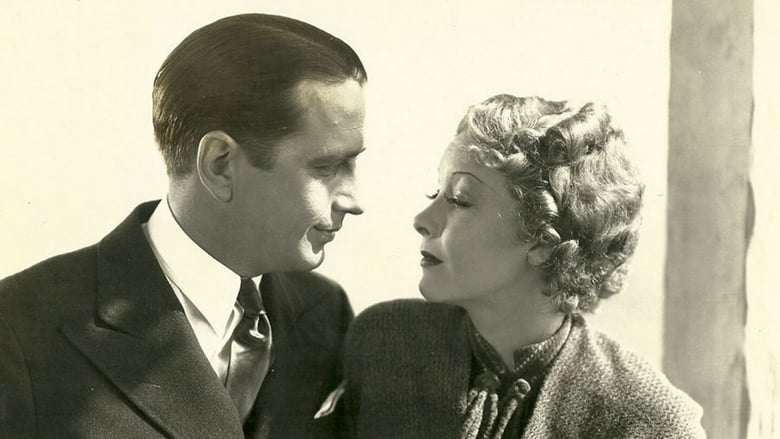
🎬 The Spanish Cape Mystery (1935)
Part of Ellery Queen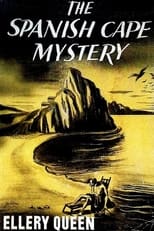
The Spanish Cape Mystery began life as a 1935 novel by Ellery Queen, the pen name of cousins Frederic Dannay and Manfred B. Lee. It was the ninth Ellery Queen mystery and the final one to carry a nationality in its title, a tradition that had started with The Roman Hat Mystery in 1929. The book was published in hardcover by Frederick A. Stokes and also appeared as a complete novel in the April 1935 issue of Redbook magazine.
That same year, the story was adapted into a film by Republic Pictures. Directed by Lewis D. Collins, the movie starred Donald Cook as Ellery Queen, with Helen Twelvetrees and Berton Churchill in supporting roles. The plot follows the novel fairly closely: Ellery and his friend Judge Macklin arrive for a quiet vacation on the California coast, only to find a kidnapped heiress tied to a chair in their cabin. Soon, the body of a blackmailing house guest is discovered on a nearby terrace, strangled and wearing nothing but a cape. A second murder follows, and Ellery must use his deductive skills to unmask the killer.
The 1935 film was part of a brief series of Ellery Queen movies produced by Republic, though the casting of Queen changed between pictures. While the film is a relatively straightforward adaptation, it condenses the novel's intricate puzzle and eliminates some of the book's more elaborate clueing. The movie captures the breezy, puzzle-driven spirit of the source material, even if it lacks the novel's depth of characterization and the famous Challenge to the Reader that the books were known for.
Though not as widely remembered as some later Ellery Queen adaptations, The Spanish Cape Mystery holds a place in the history of detective cinema as an early attempt to bring the fair-play mystery to the screen. The novel itself remains in print and is considered a solid mid-period Queen novel, admired for its clever misdirection and the dramatic seaside setting that gives the story its title.

The Spanish Cape Mystery is a detective novel by the American mystery writing duo Frederic Dannay and Manfred Bennington Lee, who published under the pseudonym Ellery Queen. It was first published in 1935 as the ninth novel in the long-running Ellery Queen series.
The story follows the brilliant amateur detective Ellery Queen as he attempts to take a seaside vacation with his friend Judge Macklin, only to become embroiled in a murder investigation when a body is found on a nearby estate. The novel is a classic whodunit featuring a closed circle of suspects, clever deductions, and a fair-play puzzle for readers.
The novel was well-received and quickly adapted into a film the same year, becoming the first Ellery Queen story to reach the screen. It remains a notable entry in the Golden Age of detective fiction, showcasing the hallmark logical reasoning and twist endings for which Ellery Queen became famous.
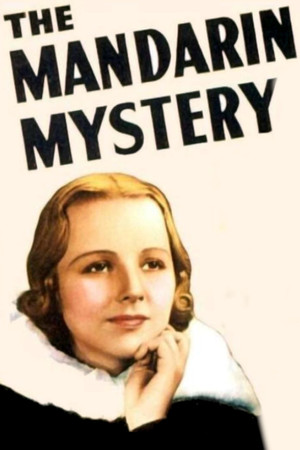
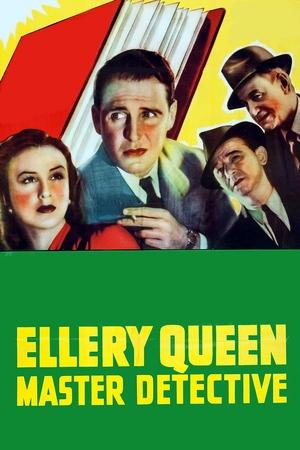
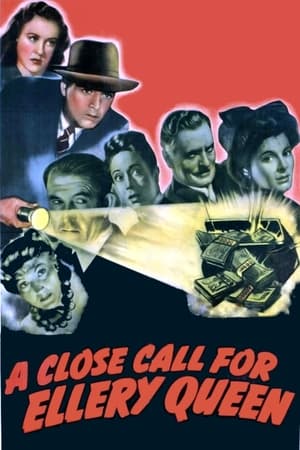
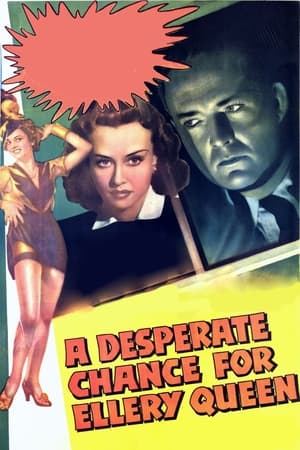
The Ellery Queen collection represents a significant chapter in the fair-play mystery tradition, bringing the celebrated amateur sleuth from the page to the screen across a series of films in the 1930s and 1940s. Originating from the collaborative pseudonym of cousins Frederic Dannay and Manfred B. Lee, the character first appeared in novels in 1929, quickly establishing a devoted readership through intricate puzzles and a signature 'Challenge to the Reader' that dared audiences to solve the crime before the final reveal. This interactive ethos translated naturally to cinema, where the collection of films adapted the character's urbane intellect and complex cases for a visual medium, capturing the sophisticated yet accessible tone of the source material. The early entries, including *The Spanish Cape Mystery* and *The Mandarin Mystery*, introduced the detective's world of high-stakes deduction, while later films found a comfortable B-movie rhythm with actors like Ralph Bellamy and William Gargan portraying Queen in a string of brisk, urban mysteries for Columbia Pictures. These pictures, though modest in budget, were rich in atmosphere and plot, cementing Queen's cinematic identity as a sharp-witted problem-solver navigating a world of shadowy suspects and intricate alibis. The collection demonstrates an early understanding of serialized storytelling, with titles such as *A Close Call for Ellery Queen* and *A Desperate Chance for Ellery Queen* maintaining narrative momentum and encouraging audience loyalty. Beyond their entertainment value, these films reflect the era's cultural anxieties, weaving elements of espionage and wartime intrigue into the classic detective framework, as seen in *Enemy Agents Meet Ellery Queen*. The Ellery Queen collection endures as a testament to the character's adaptability and the lasting appeal of intellectual challenge in mystery storytelling.