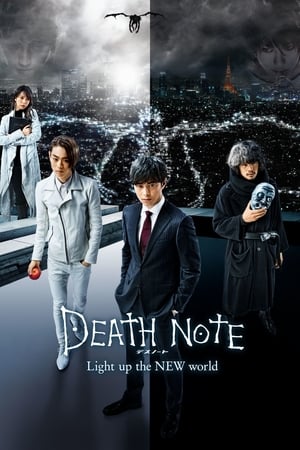
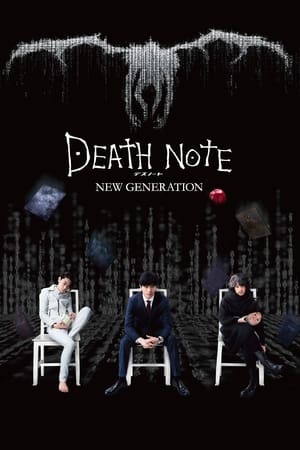
📺 Death Note (2015)
Based on manga
The 2015 Nippon TV drama adaptation of Death Note took a bold and divisive approach to the beloved source material, transplanting the iconic cat-and-mouse game from the manga's shadowy, supernatural-tinged world into a more grounded, contemporary Japanese setting. This version reimagines Light Yagami not as a prodigious high school genius, but as an ordinary, somewhat reserved college student working a part-time job, a change that fundamentally alters the character's initial motivations. Played by Masataka Kubota, this Light is less a megalomaniacal god-in-waiting and more a relatable everyman whose discovery of the notebook awakens a latent, dangerous idealism. The drama leans heavily into the psychological thriller elements, stripping away much of the manga's gothic flair and internal monologuing to focus on a more realistic, slow-burn investigation.
The most significant and controversial change is the portrayal of L, played by Kento Yamazaki. Gone is the barefoot, candy-obsessed, socially awkward recluse of the original. This L is polished, stylish, and outwardly charismatic, often seen in crisp white attire and displaying a far more conventional, if still intensely brilliant, demeanor. The dynamic between him and Light shifts from a battle of two extraordinary, eccentric minds to a clash between a vigilante hiding in plain sight and a detective who operates as a public, almost celebrity-like figure. The series also introduces original characters and subplots, including a more prominent role for Light's father and a new female character who becomes entangled in the investigation, weaving a more complex web of personal relationships around the central conflict.
A unique and much-discussed element of the drama is the character of Near, played by Mio Yūki. In a radical departure from the manga, Near is reimagined as a mysterious, doll-like figure who communicates primarily through puppets and serves as a kind of successor to L much earlier in the narrative. This version also controversially absorbs elements of Mello's character, streamlining the second half of the story into a single, enigmatic antagonist. The shinigami Ryuk, voiced by Jun Fukushima, remains largely faithful to his original portrayal as a bored, apple-loving death god, but his presence is rendered with practical effects and CGI that, while ambitious for a television budget, received mixed reactions for their occasionally uncanny appearance.
Premiering to strong ratings, the 2015 Death Note sparked intense debate among fans. While some praised its willingness to reinterpret the story for a new audience and its strong performances, particularly from the two leads, many purists criticized it for sanding down the very idiosyncrasies that made the manga and its acclaimed anime adaptation so distinctive. The drama stands as a fascinating experiment in adaptation, a 'what if' scenario that asks how the core ethical dilemma of the Death Note plays out when its god-like players are rendered more human, fallible, and grounded in a recognizable reality.

Death Note is a Japanese manga series written by Tsugumi Ohba and illustrated by Takeshi Obata. It was serialized in Shueisha's Weekly Shōnen Jump magazine from December 2003 to May 2006, spanning 12 collected tankōbon volumes. The story centers on Light Yagami, a brilliant high school student who discovers a supernatural notebook dropped by a shinigami (death god) named Ryuk. The notebook grants its user the ability to kill anyone by writing their name while picturing their face. Light adopts the alias Kira and sets out to purge the world of criminals, creating a utopia under his judgment. His actions attract the attention of an enigmatic international detective known only as L, leading to a high-stakes cat-and-mouse game. Blending psychological thriller, supernatural crime, and philosophical elements, Death Note quickly became a cultural phenomenon, sparking widespread discussion about morality, justice, and power.
The manga's intricate plotting, moral ambiguity, and stark artwork earned critical acclaim and a massive international following. It won several awards and has sold over 30 million copies worldwide, making it one of the best-selling manga series in history. Its influence extends far beyond comics, inspiring a wide range of merchandise, video games, and unofficial community creations. The series' legacy endures through its memorable characters, iconic rules of the Death Note, and the enduring debate over whether the ends justify the means.