🎬 Death Note: L Change the WorLd (2008)
Part of Death Note
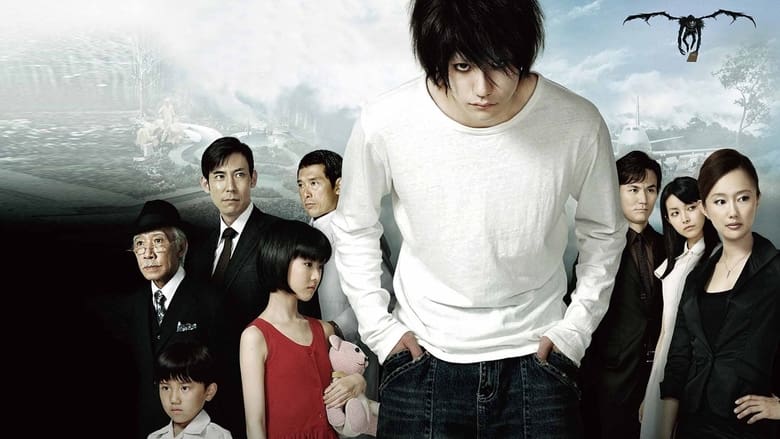
While the core Death Note films closely followed the manga's cat-and-mouse duel between Light and L, 2008's L: Change the WorLd boldly steps off the page into entirely original territory. Directed by Hideo Nakata, best known for the chilling Ringu, the film functions as a character-driven spin-off that fills in the final 23 days of L's life, a period only briefly alluded to in the earlier movie Death Note 2: The Last Name. This narrative choice transforms the story from a psychological chess match into a race-against-time thriller, pitting the world's greatest detective against a bioterrorist cult armed with a devastatingly contagious virus. It is a radical departure from the source material, trading the supernatural notebook's rules and moral quandaries for a more conventional, albeit tense, save-the-world scenario.
The film's most striking adaptation choice is its handling of the character Near, a key rival in the manga's second half. Here, Near is reimagined not as a coolly analytical prodigy in a white pajama set, but as a young, traumatized boy and the sole survivor of the virus outbreak in a Thai village. This version, played by Narushi Fukuda, is a vulnerable child whom L must protect, fundamentally altering their dynamic from intellectual adversaries to a makeshift guardian and ward. Alongside him is Maki Nikaido, a completely original character who serves as a crucial ally. This reframing allows the film to explore a more human, almost paternal side of L, a stark contrast to his usually detached and eccentric demeanor. Kenichi Matsuyama's committed performance anchors this shift, showing L grappling with a ticking clock and the messy, emotional reality of protecting innocent lives rather than just solving an abstract puzzle.
Critically, L: Change the WorLd occupies a strange space in the franchise. It was received as a curious, if inessential, epilogue that prioritizes giving the beloved L a heroic send-off over maintaining the manga's dense, philosophical plotting. The film's focus on a lethal virus and action set-pieces feels more akin to a standard disaster thriller than the gothic, mind-game tension of Ohba and Obata's creation. For fans, it offers the bittersweet pleasure of spending more time with a character whose death was a foregone conclusion, yet it does so by stripping away almost everything that defined the world of Death Note—no Shinigami, no notebook, and no Kira. Instead, it stands as a testament to the character's immense popularity, capable of anchoring a story entirely on his own terms, even if that story is a world away from the one that made him iconic.

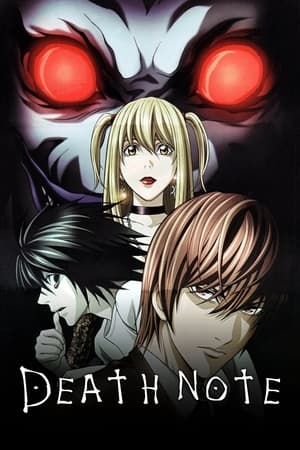
Death Note is a Japanese manga series written by Tsugumi Ohba and illustrated by Takeshi Obata. It was serialized in Shueisha's Weekly Shōnen Jump magazine from December 2003 to May 2006, spanning 12 collected tankōbon volumes. The story centers on Light Yagami, a brilliant high school student who discovers a supernatural notebook dropped by a shinigami (death god) named Ryuk. The notebook grants its user the ability to kill anyone by writing their name while picturing their face. Light adopts the alias Kira and sets out to purge the world of criminals, creating a utopia under his judgment. His actions attract the attention of an enigmatic international detective known only as L, leading to a high-stakes cat-and-mouse game. Blending psychological thriller, supernatural crime, and philosophical elements, Death Note quickly became a cultural phenomenon, sparking widespread discussion about morality, justice, and power.
The manga's intricate plotting, moral ambiguity, and stark artwork earned critical acclaim and a massive international following. It won several awards and has sold over 30 million copies worldwide, making it one of the best-selling manga series in history. Its influence extends far beyond comics, inspiring a wide range of merchandise, video games, and unofficial community creations. The series' legacy endures through its memorable characters, iconic rules of the Death Note, and the enduring debate over whether the ends justify the means.

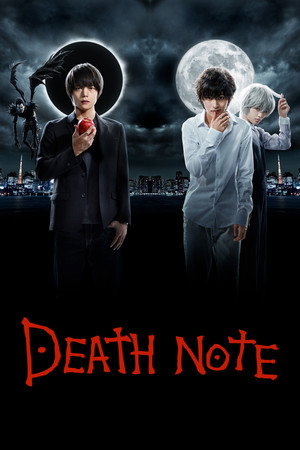
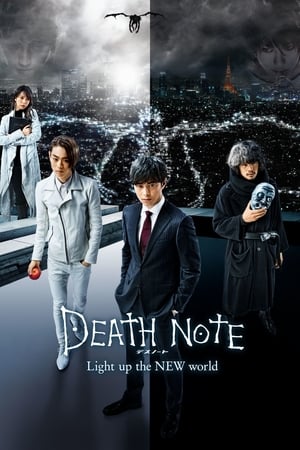
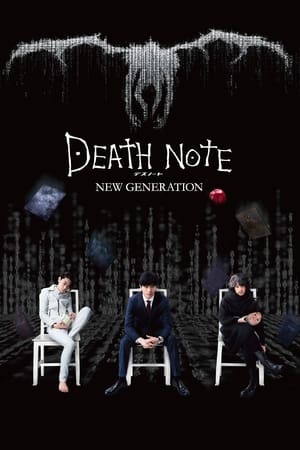
The Death Note live-action film series is a Japanese collection of supernatural thriller films based on the acclaimed manga of the same name by Tsugumi Ohba and Takeshi Obata. The series adapts the manga's central premise: a high school student discovers a notebook that allows him to kill anyone by writing their name, leading to a cat-and-mouse game with a genius detective. The films translate the manga's intense psychological battles and moral dilemmas to the screen, focusing on the clash between Light Yagami's godlike ambitions and L's relentless pursuit of justice. While the first two films closely follow the original story, later entries expand the universe with original narratives, exploring the consequences of the Death Note's power in new contexts. The series is known for its dark atmosphere, intricate plotting, and the compelling dynamic between its two brilliant leads, capturing the essence of the source material's exploration of justice and corruption.