🎬 Death Note: The Last Name (2006)
Part of Death Note
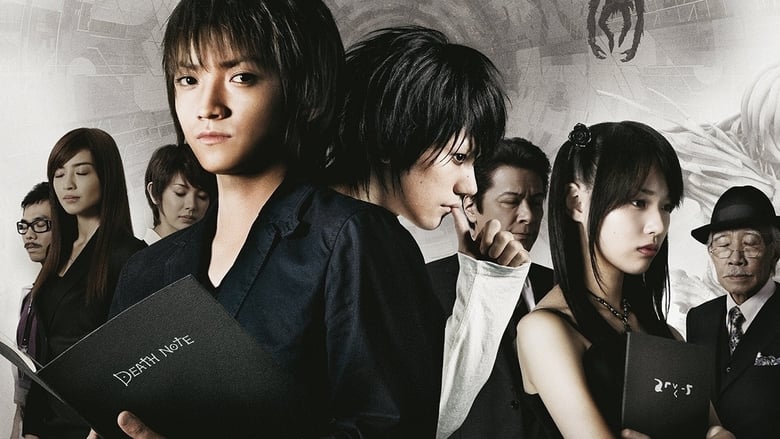
Death Note: The Last Name, the 2006 sequel directed by Shūsuke Kaneko, picks up exactly where its predecessor left off, plunging deeper into the psychological chess match between Light Yagami and the enigmatic detective L. This second installment adapts the manga's most celebrated arc, introducing the pop idol Misa Amane and her own shinigami, Rem, which dramatically escalates the stakes. The film cleverly condenses the source material's intricate mind games, streamlining the introduction of the second Kira and the complex rules of the Death Note to fit a cinematic runtime. A key deviation is the film's handling of the Yotsuba Group arc; rather than a lengthy corporate conspiracy, the narrative accelerates toward a direct and intensely personal confrontation, reshaping the story's middle section to maintain relentless tension.
The film's most talked-about element is its original ending, which diverges significantly from Tsugumi Ohba and Takeshi Obata's manga conclusion. While the manga features a sprawling, years-long finale in a warehouse, The Last Name crafts a more intimate and tragic climax that reimagines Light's downfall. This change, which involves a crucial manipulation of Rem's feelings for Misa and a final, desperate gambit by L, was both praised for its emotional impact and debated by purists. It provides a definitive sense of closure for this film series, allowing L a final, bittersweet victory that feels uniquely cinematic, contrasting with the manga's more chaotic and protracted resolution.
Tatsuya Fujiwara and Kenichi Matsuyama deliver career-defining performances as Light and L, their on-screen chemistry crackling with intellectual hostility. The film's visual style, with its desaturated palette and stark lighting, perfectly mirrors the story's moral decay. Upon release, it was a massive box office success in Japan, cementing the live-action franchise's popularity and proving that a faithful yet bold adaptation could satisfy both newcomers and die-hard fans. Its success directly paved the way for the spin-off film L: Change the World, which explores the detective's final days, a narrative thread entirely unique to the live-action universe.
Critically, the film is often regarded as the strongest entry in the Japanese live-action series, lauded for its tight pacing and willingness to take creative risks with beloved source material. It captures the manga's core philosophical debate—whether the ends justify the means—while delivering a satisfying, self-contained thriller. The introduction of Misa, played by Erika Toda, adds a chaotic, emotional wildcard that disrupts the cold logic of Light and L's battle, making the story's central conflict feel more human and desperate. The film remains a standout example of how to adapt a complex, beloved manga by preserving its spirit while confidently forging a new path for its climax.

Death Note is a Japanese manga series written by Tsugumi Ohba and illustrated by Takeshi Obata. It was serialized in Shueisha's Weekly Shōnen Jump magazine from December 2003 to May 2006, spanning 12 collected tankōbon volumes. The story centers on Light Yagami, a brilliant high school student who discovers a supernatural notebook dropped by a shinigami (death god) named Ryuk. The notebook grants its user the ability to kill anyone by writing their name while picturing their face. Light adopts the alias Kira and sets out to purge the world of criminals, creating a utopia under his judgment. His actions attract the attention of an enigmatic international detective known only as L, leading to a high-stakes cat-and-mouse game. Blending psychological thriller, supernatural crime, and philosophical elements, Death Note quickly became a cultural phenomenon, sparking widespread discussion about morality, justice, and power.
The manga's intricate plotting, moral ambiguity, and stark artwork earned critical acclaim and a massive international following. It won several awards and has sold over 30 million copies worldwide, making it one of the best-selling manga series in history. Its influence extends far beyond comics, inspiring a wide range of merchandise, video games, and unofficial community creations. The series' legacy endures through its memorable characters, iconic rules of the Death Note, and the enduring debate over whether the ends justify the means.

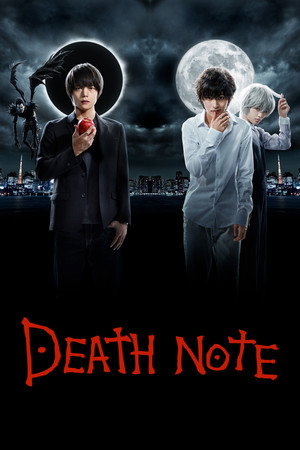
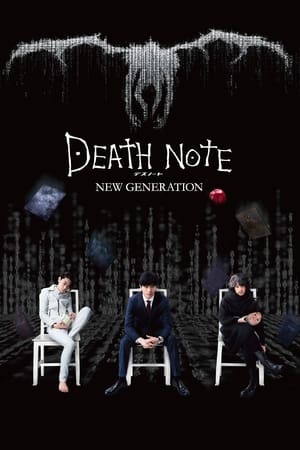
The Death Note live-action film series is a Japanese collection of supernatural thriller films based on the acclaimed manga of the same name by Tsugumi Ohba and Takeshi Obata. The series adapts the manga's central premise: a high school student discovers a notebook that allows him to kill anyone by writing their name, leading to a cat-and-mouse game with a genius detective. The films translate the manga's intense psychological battles and moral dilemmas to the screen, focusing on the clash between Light Yagami's godlike ambitions and L's relentless pursuit of justice. While the first two films closely follow the original story, later entries expand the universe with original narratives, exploring the consequences of the Death Note's power in new contexts. The series is known for its dark atmosphere, intricate plotting, and the compelling dynamic between its two brilliant leads, capturing the essence of the source material's exploration of justice and corruption.