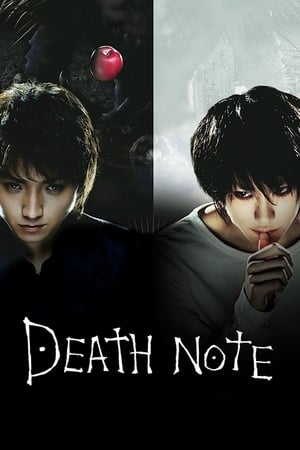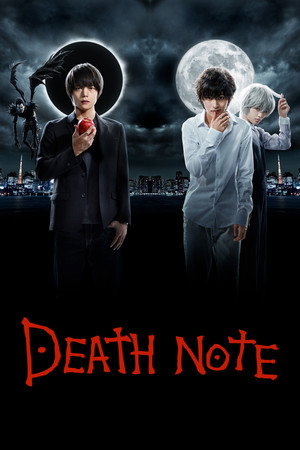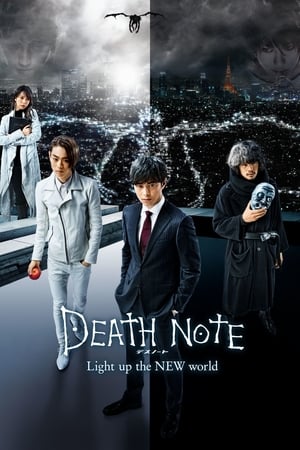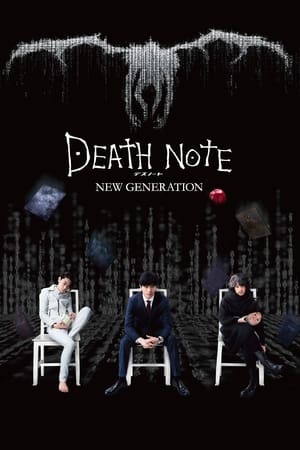
📺 Death Note (2006)
Based on manga
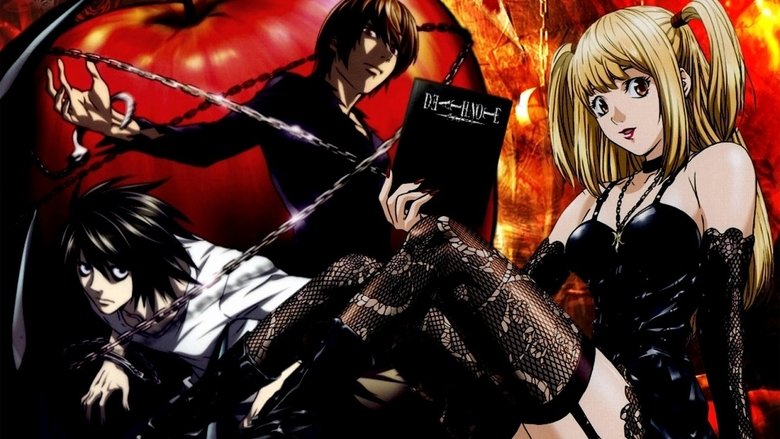
The 2006 anime adaptation of Death Note, directed by Tetsurō Araki at Madhouse, is widely considered a masterclass in translating a psychological thriller from page to screen. Rather than attempting a broad reinterpretation, the series meticulously follows the manga's core narrative, chronicling Light Yagami's descent from idealistic prodigy to megalomaniacal god. The production team, including series writer Toshiki Inoue, made a conscious decision to anchor the adaptation in Light's perspective, prioritizing his internal monologues and rapid strategic calculations to make the viewer a confidant to his terrifying genius. This focus is amplified by the anime's signature visual style, which uses a heavily stylized palette of deep reds, stark shadows, and dramatic character shading to externalize the story's moral decay and constant psychological tension.
The adaptation's greatest triumphs lie in its atmospheric direction and iconic sound design. Araki elevated the manga's already tense cat-and-mouse game by injecting a gothic, almost operatic grandeur. Simple acts like writing a name in a notebook or eating a potato chip are transformed into sequences of breathtaking suspense through dynamic camera angles and dramatic internal monologues. The soundtrack, composed by Yoshihisa Hirano and Hideki Taniuchi, became inseparable from the series' identity, blending Gregorian chants, thrashing rock, and haunting orchestral pieces to create an auditory landscape of divine judgment and intellectual warfare. The anime also streamlined certain manga subplots, particularly in the second half following a major character's death, tightening the pacing for a more relentless narrative drive.
While remarkably faithful, the anime did introduce subtle but significant changes that sparked debate among fans. The most discussed alteration is the final confrontation, which the anime renders with a more melancholic and visually poetic tone compared to the manga's grittier, more pathetic depiction of Light's downfall. The addition of a fleeting, silent moment of reflection for Light as he runs past his former self visually suggests a sliver of remorse absent from the original, adding a layer of tragic ambiguity. The subsequent compilation films, Death Note: Relight, would further experiment with the narrative, notably omitting certain key scenes and adding a new epilogue that re-contextualizes the Shinigami's role, demonstrating the creative team's willingness to explore the story's themes from different angles even after the main series concluded.
Upon its release, the anime became a global phenomenon, serving as the definitive gateway to the franchise for millions of international viewers. Its sleek aesthetic, morally complex protagonist, and breathless intellectual duels set a new standard for non-action shōnen adaptations. The English dub, featuring Brad Swaile and Alessandro Juliani as Light and L, garnered particular acclaim for its quality, helping the series dominate Western anime programming blocks like Adult Swim. The adaptation not only cemented the manga's legacy but arguably amplified it, turning the story's philosophical debate about justice into a permanent fixture of pop culture discourse.

Death Note is a Japanese manga series written by Tsugumi Ohba and illustrated by Takeshi Obata. It was serialized in Shueisha's Weekly Shōnen Jump magazine from December 2003 to May 2006, spanning 12 collected tankōbon volumes. The story centers on Light Yagami, a brilliant high school student who discovers a supernatural notebook dropped by a shinigami (death god) named Ryuk. The notebook grants its user the ability to kill anyone by writing their name while picturing their face. Light adopts the alias Kira and sets out to purge the world of criminals, creating a utopia under his judgment. His actions attract the attention of an enigmatic international detective known only as L, leading to a high-stakes cat-and-mouse game. Blending psychological thriller, supernatural crime, and philosophical elements, Death Note quickly became a cultural phenomenon, sparking widespread discussion about morality, justice, and power.
The manga's intricate plotting, moral ambiguity, and stark artwork earned critical acclaim and a massive international following. It won several awards and has sold over 30 million copies worldwide, making it one of the best-selling manga series in history. Its influence extends far beyond comics, inspiring a wide range of merchandise, video games, and unofficial community creations. The series' legacy endures through its memorable characters, iconic rules of the Death Note, and the enduring debate over whether the ends justify the means.