🎬 The Hobbit: The Desolation of Smaug (2013)
Part of The Lord of the Rings
Peter Jackson’s middle chapter in his Hobbit trilogy takes the most liberties with Tolkien’s slim novel, expanding a relatively brief sequence of encounters into a sprawling, action-packed epic. The film’s title itself signals a shift in focus: where the book treats Smaug as a late-stage revelation, the movie places the dragon front and centre, giving Benedict Cumberbatch’s motion-captured, silken-voiced beast an extended cat-and-mouse confrontation with Bilbo inside the Lonely Mountain. This sequence, a dazzling showcase of digital effects and gold-lust psychology, is entirely Jackson’s invention in its scale, turning a tense conversation into a set-piece involving molten metal and a gigantic golden statue.
The adaptation also weaves in material from Tolkien’s appendices to The Lord of the Rings, most notably the return of Orlando Bloom’s Legolas and the creation of the elf warrior Tauriel, played by Evangeline Lilly. Tauriel is a wholly original character, added to inject a female presence into the dwarf-dominated narrative and to fuel a romantic subplot with the dwarf Kili that divided purists but gave the film an emotional through-line absent from the source. Meanwhile, Gandalf’s solo investigation of Dol Guldur and the reveal of the Necromancer as Sauron are drawn from Tolkien’s broader legendarium, connecting the quest for Erebor directly to the rising shadow that will dominate The Lord of the Rings.
Visually, The Desolation of Smaug pushed technological boundaries, having been shot in 3D at 48 frames per second—a high frame rate that Jackson championed for its clarity but which proved controversial with audiences accustomed to the traditional 24fps film look. The barrel-escape sequence down the Forest River, blending practical stunts with digital wizardry, became an instant fan favourite and demonstrated Jackson’s continued flair for kinetic, physics-defying action choreography. The film grossed nearly a billion dollars worldwide and earned three Academy Award nominations, all in technical categories, cementing its status as a blockbuster that prioritised spectacle while striving to deepen the mythology of Middle-earth.
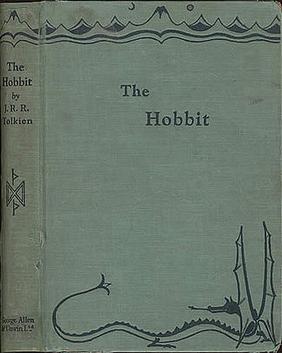
The Hobbit, or There and Back Again is a children's fantasy novel by the English author J. R. R. Tolkien. It was published on 21 September 1937 to wide critical acclaim, being nominated for the Carnegie Medal and awarded a prize from the New York Herald Tribune for best juvenile fiction. The book remains popular and is recognized as a classic in children's literature.
The story is set in Middle-earth and follows the home-loving hobbit Bilbo Baggins, who is persuaded by the wizard Gandalf to join a company of thirteen dwarves led by Thorin Oakenshield on a quest to reclaim the Lonely Mountain and its treasure from the dragon Smaug. Bilbo's journey takes him from his peaceful rural surroundings into darker, more dangerous territory, encountering trolls, goblins, giant spiders, and the creature Gollum, from whom he acquires a mysterious ring of invisibility.
Tolkien wrote The Hobbit in the early 1930s, initially as a story for his own children. The tale draws on his deep knowledge of Anglo-Saxon and Norse mythology, as well as his experiences in the trenches of the First World War. The novel introduces readers to the richly imagined world of Middle-earth, which Tolkien would later expand dramatically in The Lord of the Rings.
The Hobbit has never been out of print and has sold over 100 million copies worldwide, making it one of the best-selling books of all time. Its enduring appeal lies in its blend of epic adventure, gentle humour, and the timeless theme of an ordinary person discovering courage and resourcefulness in extraordinary circumstances.
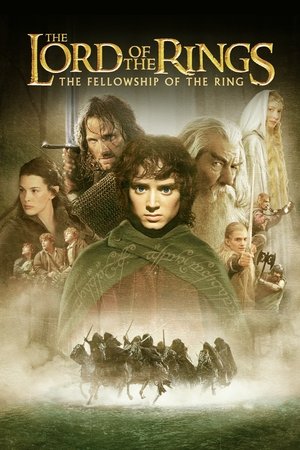
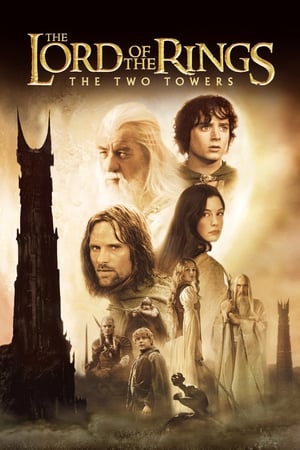
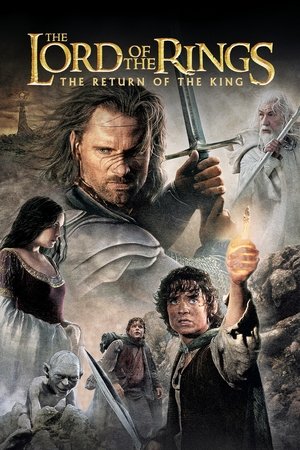
The Middle-earth film series, directed by Peter Jackson, represents one of the most ambitious undertakings in cinematic history, translating J.R.R. Tolkien's expansive legendarium into a six-film saga. Spanning two trilogies—*The Lord of the Rings* (2001–2003) and *The Hobbit* (2012–2014)—the series brings to life the richly detailed world of Middle-earth, from the peaceful Shire to the volcanic wasteland of Mordor. Rooted in Tolkien's themes of fellowship, the corrupting influence of power, and the triumph of the humble over overwhelming darkness, the films weave together epic quests, intimate character journeys, and monumental battles. Jackson's adaptation is celebrated for its groundbreaking visual effects, intricate practical design, and Howard Shore's sweeping musical score, which collectively set a new standard for fantasy filmmaking and demonstrated that literary fantasy could achieve both critical acclaim and massive commercial success on a global scale. The series begins with the quest to destroy the One Ring, an artifact of ultimate evil, and later expands to chronicle the earlier adventures of Bilbo Baggins and the re-emergence of ancient threats, creating a cohesive narrative that spans decades within the fictional timeline. While the two trilogies differ in tone—the former a tightly focused epic, the latter a more sprawling prequel—they together form a unified exploration of courage, loss, and the enduring power of hope in a world teetering on the brink of ruin. Culturally, the Middle-earth films have left an indelible legacy, influencing a generation of filmmakers and solidifying Tolkien's mythology as a cornerstone of modern popular culture. The series' innovative use of motion capture technology, particularly in the creation of Gollum, pushed the boundaries of digital performance, while its commitment to New Zealand's landscapes as the backdrop for Middle-earth boosted tourism and inspired a wave of fantasy adaptations across media. Beyond the screen, the films spawned extensive merchandising, video games, and a lasting fan community, ensuring that the world of hobbits, wizards, and elves continues to resonate with audiences worldwide.
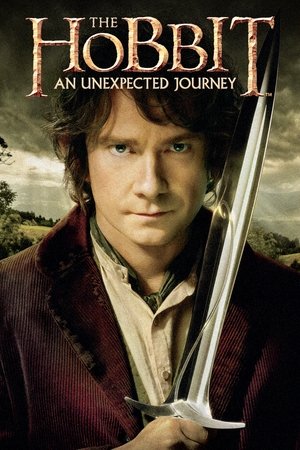
The franchise is a cinematic adaptation of J.R.R. Tolkien's beloved 1937 novel, brought to life by director Peter Jackson. Conceived as a prequel to the highly acclaimed Lord of the Rings trilogy, the series expands the rich lore of Middle-earth by exploring events that occurred decades prior to the original saga. The production drew heavily from Tolkien's source material, incorporating not only the core narrative of the novel but also supplementary details from the appendices of his later works to flesh out the world's history and mythology.
At its heart, the series is an epic fantasy adventure that emphasizes themes of courage, camaraderie, and the struggle between good and evil. It follows a reluctant hero on a transformative quest, accompanied by a diverse fellowship of dwarves, elves, wizards, and other mythical creatures. The films are renowned for their groundbreaking visual effects, immersive world-building, and sweeping musical score, which collectively establish a distinct yet familiar tone within the broader Middle-earth cinematic universe.
Released over a three-year span, the franchise achieved massive commercial success, grossing nearly three billion dollars worldwide. It solidified the director's reputation as a master of fantasy filmmaking and introduced a new generation of audiences to Tolkien's expansive literary universe. The series remains a cornerstone of modern fantasy cinema, celebrated for its ambitious scale, detailed craftsmanship, and enduring appeal to fans of the genre.