🎬 The Lord of the Rings: The Return of the King (2003)
Part of The Lord of the Rings
Peter Jackson's The Lord of the Rings: The Return of the King (2003) is the triumphant conclusion to one of cinema's most ambitious undertakings—a faithful yet reimagined adaptation of J.R.R. Tolkien's epic fantasy. The film picks up the threads of its predecessors, interweaving the desperate war for Middle-earth with Frodo and Sam's harrowing trek through Mordor. Jackson, along with co-writers Fran Walsh and Philippa Boyens, makes bold narrative choices that streamline Tolkien's sprawling text: the most notable omission is the Scouring of the Shire, a decision that shifts the story's emotional climax from the hobbits' bittersweet homecoming to the destruction of the Ring and Aragorn's coronation. This structural change, while controversial among purists, allows the film to maintain a relentless momentum toward its epic finale, focusing on the catharsis of the quest's completion rather than the quiet aftermath that Tolkien considered essential.
Beyond the condensed plot, The Return of the King enriches the source material by drawing on Tolkien's appendices, particularly the Tale of Aragorn and Arwen, to give Arwen's sacrifice a more prominent role. The film also expands the visual and emotional scope of the battles, from the siege of Minas Tirith to the stand at the Black Gate, using groundbreaking digital effects and Peter Jackson's signature sense of scale. The result is a film that feels both monumental and intimate, anchored by powerhouse performances, especially Andy Serkis's Gollum, whose tragic arc is given a deeply cinematic resonance. The multiple endings—a source of playful debate—reflect the film's commitment to honoring every character's resolution, even if it tests the audience's patience.
Upon its release, The Return of the King was hailed as a landmark in filmmaking, earning a record-tying eleven Academy Awards, including Best Picture—a first for a fantasy film. Its staggering $1.1 billion box office made it the highest-grossing film of 2003 and a cultural phenomenon. Critics and audiences alike praised its emotional depth, technical wizardry, and the satisfying closure it brought to a story that had captivated millions for decades. Today, it remains a benchmark for fantasy adaptations, proving that reverence for source material and creative reinterpretation can coexist to produce something truly timeless.
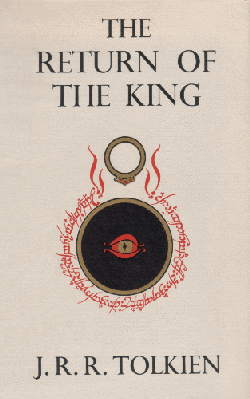
The Return of the King is the third and final volume of J. R. R. Tolkien's epic high fantasy novel The Lord of the Rings, first published in 1955 by George Allen & Unwin. It follows The Fellowship of the Ring and The Two Towers, completing the story that began with a simple hobbit's journey from the Shire. The volume is divided into two books: Book Five tells of the War of the Ring, as Aragorn, Gandalf, and the forces of the West make their desperate stand against Sauron's armies at Minas Tirith and the Black Gate. Book Six follows Frodo and Sam's harrowing journey through Mordor to destroy the One Ring in the fires of Mount Doom, and concludes with the hobbits' return to a Shire that has fallen under the shadow of Saruman.
The volume is notable for its extensive appendices, which expand greatly upon the history, languages, and peoples of Middle-earth. These include timelines, family trees, and the poignant Tale of Aragorn and Arwen, which provides essential backstory and a bittersweet coda to the main narrative. The chapter The Scouring of the Shire has been widely discussed by scholars as a crucial thematic counterpoint to the main quest, exploring ideas of homecoming, environmental destruction, and the inescapable reach of war.
Upon publication, The Return of the King received widespread acclaim from literary figures such as W. H. Auden, though it also drew criticism from some who preferred the earlier volumes' more intimate scope. The work cemented Tolkien's reputation as the father of modern fantasy literature, establishing tropes and a scale of world-building that would influence generations of writers, artists, and filmmakers. Its themes of sacrifice, friendship, the corrupting nature of power, and the triumph of the small and humble over overwhelming evil have ensured its enduring legacy as one of the most beloved works of the twentieth century.
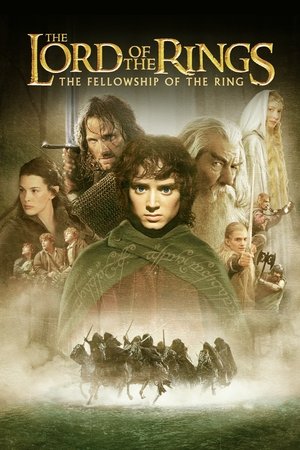
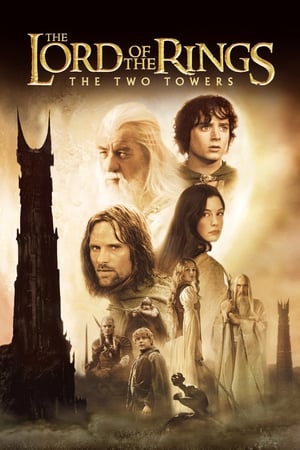
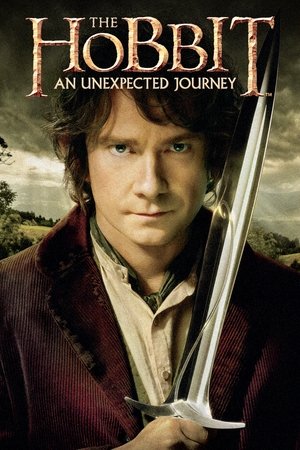
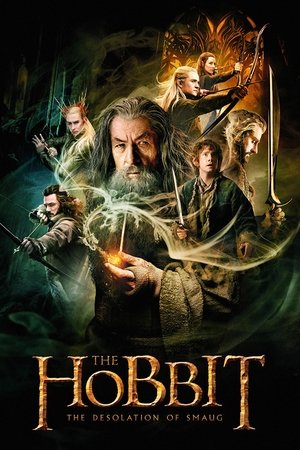
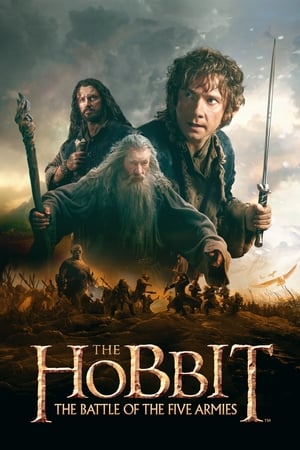
The Middle-earth film series, directed by Peter Jackson, represents one of the most ambitious undertakings in cinematic history, translating J.R.R. Tolkien's expansive legendarium into a six-film saga. Spanning two trilogies—*The Lord of the Rings* (2001–2003) and *The Hobbit* (2012–2014)—the series brings to life the richly detailed world of Middle-earth, from the peaceful Shire to the volcanic wasteland of Mordor. Rooted in Tolkien's themes of fellowship, the corrupting influence of power, and the triumph of the humble over overwhelming darkness, the films weave together epic quests, intimate character journeys, and monumental battles. Jackson's adaptation is celebrated for its groundbreaking visual effects, intricate practical design, and Howard Shore's sweeping musical score, which collectively set a new standard for fantasy filmmaking and demonstrated that literary fantasy could achieve both critical acclaim and massive commercial success on a global scale. The series begins with the quest to destroy the One Ring, an artifact of ultimate evil, and later expands to chronicle the earlier adventures of Bilbo Baggins and the re-emergence of ancient threats, creating a cohesive narrative that spans decades within the fictional timeline. While the two trilogies differ in tone—the former a tightly focused epic, the latter a more sprawling prequel—they together form a unified exploration of courage, loss, and the enduring power of hope in a world teetering on the brink of ruin. Culturally, the Middle-earth films have left an indelible legacy, influencing a generation of filmmakers and solidifying Tolkien's mythology as a cornerstone of modern popular culture. The series' innovative use of motion capture technology, particularly in the creation of Gollum, pushed the boundaries of digital performance, while its commitment to New Zealand's landscapes as the backdrop for Middle-earth boosted tourism and inspired a wave of fantasy adaptations across media. Beyond the screen, the films spawned extensive merchandising, video games, and a lasting fan community, ensuring that the world of hobbits, wizards, and elves continues to resonate with audiences worldwide.