🎬 The Lord of the Rings: The Fellowship of the Ring (2001)
Part of The Lord of the Rings
Peter Jackson’s 2001 adaptation of The Fellowship of the Ring was a cinematic gamble of staggering proportions, one that fundamentally altered the landscape of blockbuster filmmaking. Shot back-to-back with its two sequels over 438 days in New Zealand, the film approached Tolkien’s text not as a slavish transcription but as a reverent translation into a visual medium. The screenplay, co-written by Jackson, Fran Walsh, and Philippa Boyens, made the crucial structural decision to excise the novel’s lengthy opening concerning Hobbit genealogy and the seventeen-year gap between Bilbo’s party and Frodo’s departure, compressing time to create a breathless sense of encroaching danger. Instead of Tom Bombadil—a character whose whimsical, enigmatic nature defied the film’s tightening tension—the script introduced original peril in the form of the Ringwraiths’ pursuit through the Shire, a sequence that established mortal stakes from the outset.
The casting became one of the production’s most celebrated triumphs, with several actors delivering performances now inextricably linked to their characters. Ian McKellen’s Gandalf balanced grandfatherly warmth with flashes of cosmic power, while Viggo Mortensen, hired days into filming after the original actor proved too young, brought a haunted, poetic intensity to Aragorn that reshaped the exiled king into a reluctant hero. Perhaps most transformative was the expansion of Arwen, played by Liv Tyler, who absorbed the role of Glorfindel from the book to rescue Frodo at the Ford of Bruinen—a change that gave the film a crucial emotional anchor and addressed the novel’s scarcity of active female characters. The production’s commitment to practical effects, from the 1,800 Hobbit-sized props to the painstakingly detailed Bigatures of Rivendell and Moria, grounded the fantasy in a tactile reality that CGI alone could never achieve.
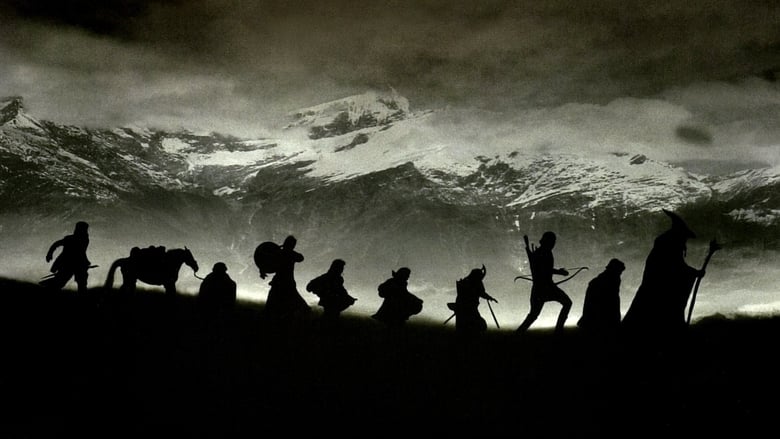
Howard Shore’s operatic score became the film’s emotional and thematic backbone, introducing leitmotifs that would define the entire trilogy. The Fellowship theme, first heard swelling as the nine companions crest a hill, remains one of cinema’s most stirring musical statements of unity and purpose. The Mines of Moria sequence demonstrated Jackson’s mastery of escalating dread, from the distant drumbeats echoing through the vast Dwarrodelf halls to the emergence of the Balrog—a creature of shadow and flame that set a new standard for digital effects integration. The film’s climax at Amon Hen, where Boromir’s redemption arc concludes in a hail of arrows as he defends Merry and Pippin, gave Sean Bean a death scene so iconic it would follow his career for decades.
Upon its release in December 2001, the film grossed nearly $900 million worldwide and earned thirteen Academy Award nominations, winning four. Critics who had dismissed fantasy as juvenile escapism were forced to reckon with a work of genuine emotional gravity and technical virtuosity. The extended edition, adding thirty minutes of character-driven scenes including a fuller depiction of Lothlórien’s gift-giving ceremony, became a landmark in home video presentation. More than two decades later, The Fellowship of the Ring endures not merely as an adaptation but as a cultural event that proved epic fantasy could command the same respect as historical drama, paving the way for every large-scale genre production that followed.

The Fellowship of the Ring is the first volume of J.R.R. Tolkien's epic fantasy novel The Lord of the Rings, published in 1954 by George Allen & Unwin in the United Kingdom. Written over more than a decade, with roots in Tolkien's earlier work The Hobbit, it forms the opening chapter of a grand tale set in the richly imagined world of Middle-earth. The story centers on the hobbit Frodo Baggins, who inherits a powerful and corrupting artifact known as the One Ring from his uncle Bilbo. Tasked with destroying it in the fires of Mount Doom, Frodo embarks on a dangerous quest accompanied by a diverse group of companions forming the Fellowship of the Ring, including fellow hobbits, men, an elf, and a dwarf.
Tolkien, a professor of Anglo-Saxon at Oxford University, infused the narrative with intricate languages, mythologies, and histories drawn from his scholarly interests in Norse sagas, Old English poetry, and folklore. Themes of friendship, courage, the corrupting nature of power, and the clash between industrialization and nature permeate the work. The novel's publication marked a turning point in fantasy literature, establishing Tolkien as its modern architect and inspiring countless works in the genre.
Its cultural legacy is immense, selling millions of copies worldwide and spawning a vast array of adaptations across media. The book's detailed appendices and linguistic depth have fostered dedicated scholarship, while its portrayal of heroism through ordinary individuals resonates universally.
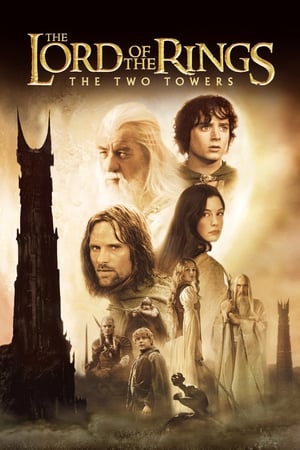
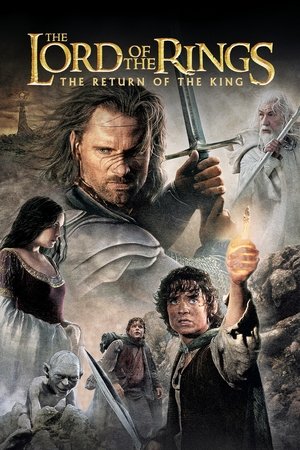
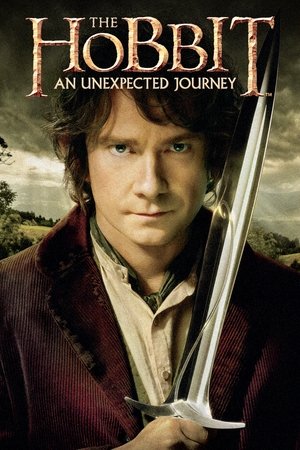
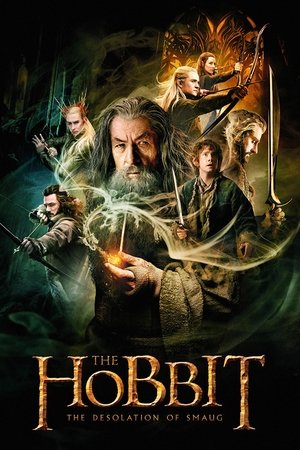
The Middle-earth film series, directed by Peter Jackson, represents one of the most ambitious undertakings in cinematic history, translating J.R.R. Tolkien's expansive legendarium into a six-film saga. Spanning two trilogies—*The Lord of the Rings* (2001–2003) and *The Hobbit* (2012–2014)—the series brings to life the richly detailed world of Middle-earth, from the peaceful Shire to the volcanic wasteland of Mordor. Rooted in Tolkien's themes of fellowship, the corrupting influence of power, and the triumph of the humble over overwhelming darkness, the films weave together epic quests, intimate character journeys, and monumental battles. Jackson's adaptation is celebrated for its groundbreaking visual effects, intricate practical design, and Howard Shore's sweeping musical score, which collectively set a new standard for fantasy filmmaking and demonstrated that literary fantasy could achieve both critical acclaim and massive commercial success on a global scale. The series begins with the quest to destroy the One Ring, an artifact of ultimate evil, and later expands to chronicle the earlier adventures of Bilbo Baggins and the re-emergence of ancient threats, creating a cohesive narrative that spans decades within the fictional timeline. While the two trilogies differ in tone—the former a tightly focused epic, the latter a more sprawling prequel—they together form a unified exploration of courage, loss, and the enduring power of hope in a world teetering on the brink of ruin. Culturally, the Middle-earth films have left an indelible legacy, influencing a generation of filmmakers and solidifying Tolkien's mythology as a cornerstone of modern popular culture. The series' innovative use of motion capture technology, particularly in the creation of Gollum, pushed the boundaries of digital performance, while its commitment to New Zealand's landscapes as the backdrop for Middle-earth boosted tourism and inspired a wave of fantasy adaptations across media. Beyond the screen, the films spawned extensive merchandising, video games, and a lasting fan community, ensuring that the world of hobbits, wizards, and elves continues to resonate with audiences worldwide.