🎬 The Lord of the Rings: The Two Towers (2002)
Part of The Lord of the Rings
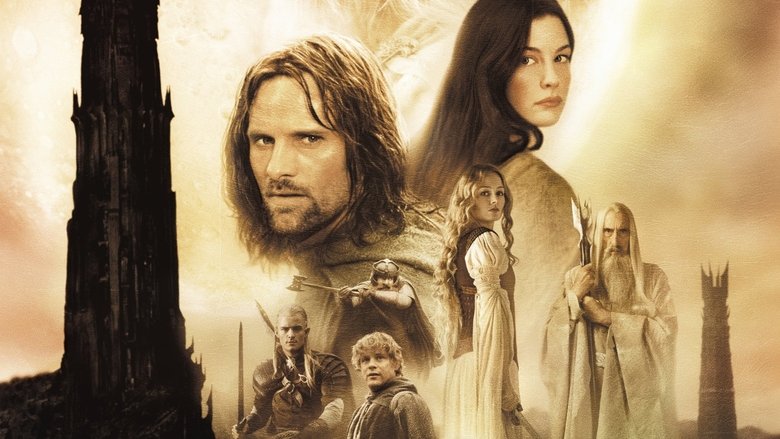
The Lord of the Rings: The Two Towers, released in 2002, is the second installment in Peter Jackson's monumental film trilogy adapting J. R. R. Tolkien's fantasy epic. Following the critical and commercial triumph of The Fellowship of the Ring, this middle chapter faced the daunting task of sustaining narrative momentum without a true beginning or end. Jackson and his co-writers Fran Walsh, Philippa Boyens, and Stephen Sinclair met this challenge by embracing the novel's interlaced structure, weaving together three distinct storylines: Aragorn, Legolas, and Gimli's journey to Rohan; Merry and Pippin's captivity and escape into Fangorn Forest; and Frodo, Sam, and Gollum's treacherous approach to Mordor.
The film is perhaps best remembered for its groundbreaking visual effects, particularly the creation of Gollum. Using pioneering motion capture technology, Andy Serkis delivered a performance that redefined what digital characters could achieve, imbuing the pitiful creature with a tragic, split-personality humanity that became the film's emotional core. The Battle of Helm's Deep, a relatively brief passage in the book, was expanded into a massive, rain-soaked forty-minute siege sequence that set a new standard for cinematic warfare. Howard Shore's score continued to evolve, introducing the haunting Rohan theme played on the Hardanger fiddle, which perfectly captured the melancholy and resilience of the horse-lords.
While largely faithful to Tolkien's themes, the film made significant structural changes, most notably by relocating the giant spider Shelob's lair to the third film to create a stronger climax for Frodo's storyline. It also expanded the role of Arwen and introduced a subplot involving Aragorn's apparent death, adding romantic tension and character development. The Two Towers grossed over $923 million worldwide, becoming the highest-grossing film of 2002 and winning two Academy Awards for Sound Editing and Visual Effects. It remains a towering achievement in fantasy cinema, proving that a middle chapter could be just as compelling as its bookends.

The Two Towers is the second volume of J. R. R. Tolkien's epic high fantasy novel The Lord of the Rings, first published in 1954. It continues the quest begun in The Fellowship of the Ring, following the sundered members of the Fellowship across the lands of Middle-earth as the shadow of the Dark Lord Sauron grows. The volume is divided into two internal 'books': Book Three follows Aragorn, Legolas, and Gimli as they pursue the Uruk-hai who have captured Merry and Pippin, leading them to the war-torn kingdom of Rohan and the ancient Ents of Fangorn Forest. Book Four returns to Frodo and Sam on their perilous journey toward Mordor, guided by the treacherous creature Gollum.
The title itself has been a subject of debate, as Tolkien was initially uncertain which two towers it referred to, eventually settling on Orthanc, the stronghold of the corrupted wizard Saruman, and Minas Morgul, the fortress of the Ringwraiths. The novel is notable for its interlaced narrative structure, cutting between the two groups of characters to build suspense and thematic resonance. The Two Towers deepens the trilogy's exploration of heroism, corruption, and the natural world under threat, introducing iconic sequences such as the Battle of Helm's Deep and the march of the Ents on Isengard.
Upon publication, the volume was praised for its compelling blend of epic scope and intimate character drama. It has remained continuously in print and has been translated into dozens of languages, cementing its place as a cornerstone of modern fantasy literature and influencing generations of writers and artists.
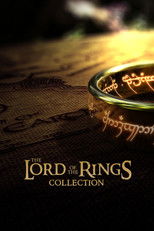
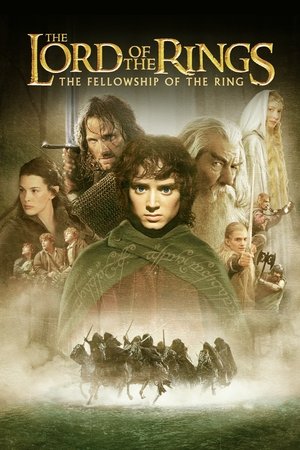
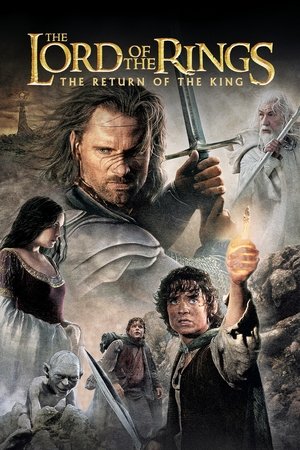
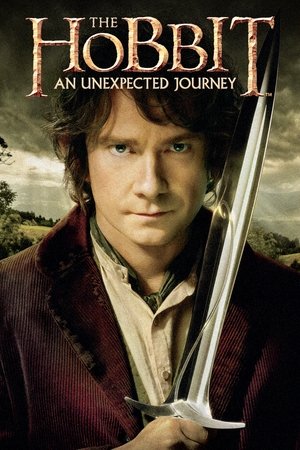
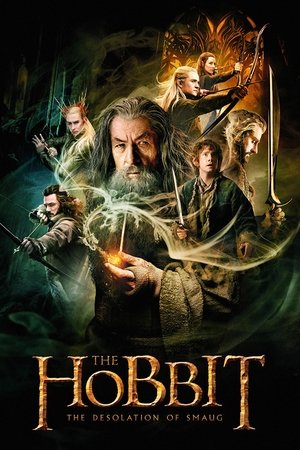
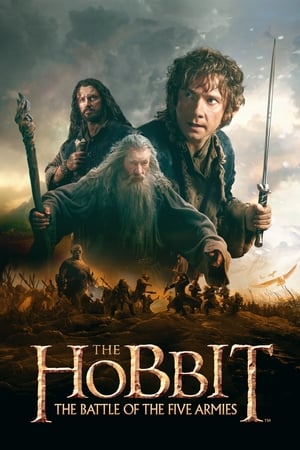
The Middle-earth film series, directed by Peter Jackson, represents one of the most ambitious undertakings in cinematic history, translating J.R.R. Tolkien's expansive legendarium into a six-film saga. Spanning two trilogies—*The Lord of the Rings* (2001–2003) and *The Hobbit* (2012–2014)—the series brings to life the richly detailed world of Middle-earth, from the peaceful Shire to the volcanic wasteland of Mordor. Rooted in Tolkien's themes of fellowship, the corrupting influence of power, and the triumph of the humble over overwhelming darkness, the films weave together epic quests, intimate character journeys, and monumental battles. Jackson's adaptation is celebrated for its groundbreaking visual effects, intricate practical design, and Howard Shore's sweeping musical score, which collectively set a new standard for fantasy filmmaking and demonstrated that literary fantasy could achieve both critical acclaim and massive commercial success on a global scale. The series begins with the quest to destroy the One Ring, an artifact of ultimate evil, and later expands to chronicle the earlier adventures of Bilbo Baggins and the re-emergence of ancient threats, creating a cohesive narrative that spans decades within the fictional timeline. While the two trilogies differ in tone—the former a tightly focused epic, the latter a more sprawling prequel—they together form a unified exploration of courage, loss, and the enduring power of hope in a world teetering on the brink of ruin. Culturally, the Middle-earth films have left an indelible legacy, influencing a generation of filmmakers and solidifying Tolkien's mythology as a cornerstone of modern popular culture. The series' innovative use of motion capture technology, particularly in the creation of Gollum, pushed the boundaries of digital performance, while its commitment to New Zealand's landscapes as the backdrop for Middle-earth boosted tourism and inspired a wave of fantasy adaptations across media. Beyond the screen, the films spawned extensive merchandising, video games, and a lasting fan community, ensuring that the world of hobbits, wizards, and elves continues to resonate with audiences worldwide.