🎬 Red Dragon (2002)
Part of The Hannibal Lecter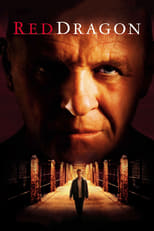
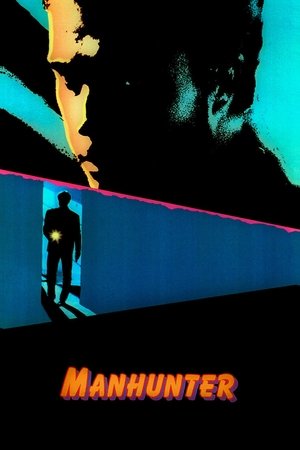
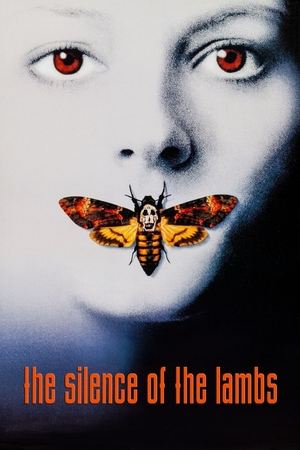
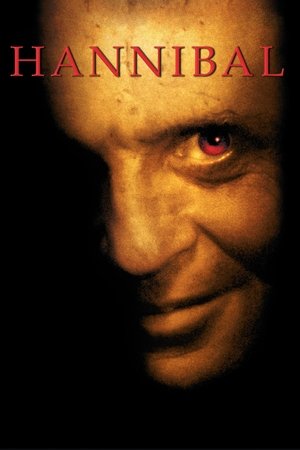
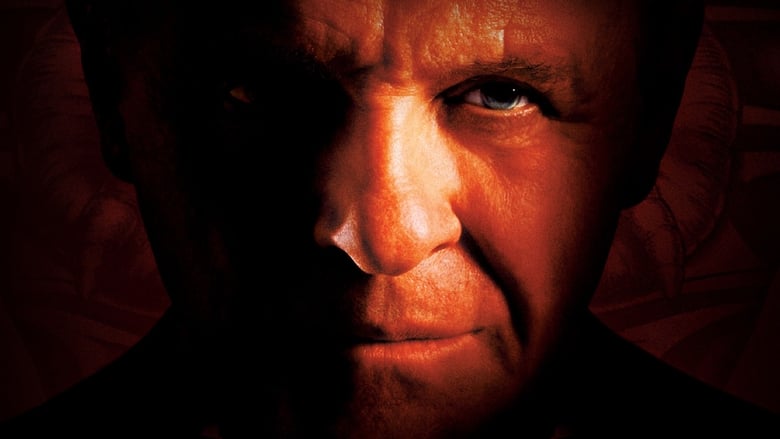
Brett Ratner’s 2002 film Red Dragon arrived with an unusual pedigree: it was the third film in the Hannibal Lecter franchise but the first to adapt Thomas Harris’s original 1981 novel, which had already been brought to the screen by Michael Mann as Manhunter sixteen years earlier. With Anthony Hopkins firmly established as the definitive Lecter after The Silence of the Lambs and Hannibal, this version had the weight of a major studio behind it and a clear mission to fold the story into the existing cinematic universe. Screenwriter Ted Tally, who had won an Oscar for adapting The Silence of the Lambs, returned to craft a script that hewed far more closely to the novel’s structure and dialogue than Mann’s stylized 1986 interpretation, effectively creating a direct prequel that would slot neatly between the earlier films’ timelines.
The film centers on FBI profiler Will Graham, played with a tightly wound intensity by Edward Norton, who is coaxed out of retirement to hunt a new killer dubbed the Tooth Fairy. The central dynamic remains Graham’s uneasy consultation with the imprisoned Hannibal Lecter, a relationship that carries a palpable sense of dread and history. Where Manhunter leaned into its own neon-drenched, synth-scored aesthetic, Ratner’s Red Dragon opts for a more classical, almost gothic approach, emphasizing the psychological horror of the source material. Ralph Fiennes delivers a physically and emotionally committed performance as Francis Dolarhyde, the killer haunted by William Blake’s painting, while Philip Seymour Hoffman provides a memorably sleazy turn as tabloid journalist Freddy Lounds. The film also restores several key sequences from the novel that Manhunter had omitted or altered, including the full backstory of Dolarhyde’s traumatic childhood and his relationship with the blind Reba McClane, played with gentle warmth by Emily Watson.
Critically, Red Dragon was received as a competent but somewhat safe adaptation, often praised for its performances—particularly Fiennes’s tortured transformation and Hopkins’s refined menace—while being noted for lacking the raw, visionary edge of Manhunter or the taut brilliance of The Silence of the Lambs. The decision to set the film after Lecter’s capture, with Hopkins appearing in scenes that were not in the original novel’s timeline, created a slightly different narrative weight; it made Lecter more of a known quantity rather than the mysterious, emerging threat Harris first introduced. The film’s most discussed change is its handling of the ending, which, unlike the novel’s more ambiguous and tragic conclusion for Dolarhyde, stages a more conventional Hollywood showdown at Graham’s family home, shifting the final confrontation’s location and emotional stakes.
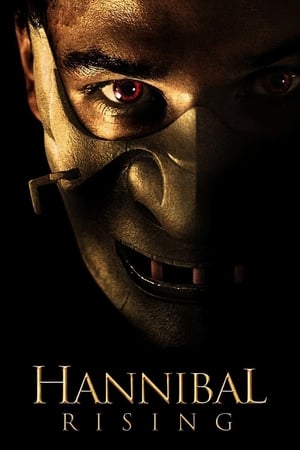
As the last film to feature Anthony Hopkins in the role of Hannibal Lecter before the character was handed off to a younger actor in Hannibal Rising, Red Dragon serves as a fascinating bookend to the actor’s iconic portrayal. It remains a curious artifact in the franchise: a faithful, star-studded adaptation that honors the source material’s intricate plotting and character depth, yet inevitably exists in the shadow of two very different, highly regarded predecessors. For many viewers, it functions as the definitive visual companion to Harris’s novel, even as it subtly reshapes the story to fit the contours of a cinematic saga that had already become larger than any single book.

Red Dragon is a psychological horror novel written by American author Thomas Harris. Published in 1981, it introduces the character of Will Graham, an FBI profiler with an extraordinary ability to empathize with criminals, and marks the first appearance of the iconic cannibalistic psychiatrist Dr. Hannibal Lecter. The story centers on Graham's pursuit of a brutal serial killer known as the 'Tooth Fairy,' who commits murders inspired by William Blake's painting 'The Great Red Dragon.'
Harris drew from real-life FBI behavioral science techniques to craft a tense narrative exploring the blurred lines between hunter and hunted, the psychological toll of profiling, and the darkness within the human mind. The novel delves into themes of obsession, identity, and monstrosity, with vivid depictions of forensic investigation and the killer's ritualistic crimes. It became a bestseller and established Harris as a master of the thriller genre.
Red Dragon's legacy lies in its groundbreaking portrayal of criminal psychology and its creation of enduring characters that have influenced popular culture profoundly. It set the stage for Harris's subsequent works, cementing its place as a cornerstone of modern horror and crime fiction.

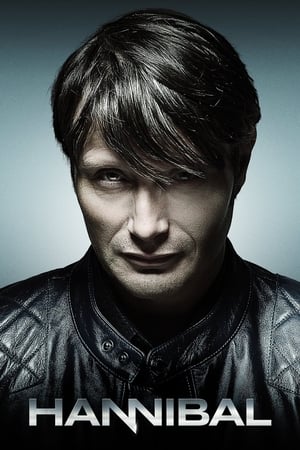
Originating from a series of bestselling novels by author Thomas Harris, this media franchise centers on one of cinema and literature's most iconic antagonists: a highly intelligent, cultured, and cannibalistic serial killer. The stories explore the complex psychological dynamics between law enforcement professionals and the criminal mastermind, whose unique insights into the human psyche make him an invaluable, albeit dangerous, asset in solving gruesome crimes.
At its core, the franchise delves into themes of trauma, morality, and the thin line between civilization and savagery. It examines how past atrocities shape individuals, often blurring the boundaries between hunter and hunted. The narrative structure frequently employs a cat-and-mouse dynamic, relying on tense interrogations, psychological manipulation, and atmospheric dread rather than relying solely on overt violence.
Culturally, the franchise has left an indelible mark on the thriller and horror genres, redefining the archetype of the villain. By presenting a monster who is eloquent, refined, and intellectually superior to his pursuers, it challenged traditional storytelling conventions. Its enduring legacy is evident in its critical acclaim, numerous awards, and lasting influence on popular culture, cementing its status as a cornerstone of modern psychological suspense.
Born from the chilling novels of author Thomas Harris, this cinematic universe has captivated audiences for decades by exploring the intricate dance between law enforcement and one of fiction's most sophisticated antagonists. At its core, the franchise delves into themes of trauma, criminal profiling, and the blurred lines between genius and monstrosity. Rather than relying solely on graphic violence, it uses psychological tension, atmospheric storytelling, and complex character dynamics to create a deeply unsettling viewing experience that has redefined the thriller landscape.
The adaptations span multiple decades, showcasing a remarkable evolution in tone and visual style. Early entries established a gritty, realistic approach to crime dramas, while later installments embraced highly stylized, almost operatic presentations of obsession and revenge. The franchise has consistently pushed boundaries in filmmaking, earning critical acclaim for its direction, cinematography, and standout performances that have become synonymous with the genre.
Over the years, the series has grown into a cultural phenomenon that extends far beyond the silver screen. Its impact can be seen in countless homages, academic analyses, and dedicated collector communities that preserve every adaptation across physical media and digital platforms. The stories have also inspired acclaimed television reimaginings that further explore the psychological bonds between the central figures. Ultimately, the franchise endures because it masterfully balances intellectual puzzles with visceral thrills, ensuring that its legacy continues to haunt and fascinate new generations of viewers.