📺 Hannibal (2013)
Part of The Hannibal Lecter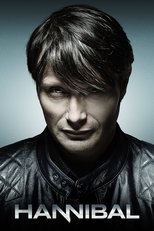
Bryan Fuller’s Hannibal is less a direct adaptation of Red Dragon and more a sumptuous, nightmarish reimagining of the entire Thomas Harris universe, using the 1981 novel as its foundational bedrock. The series cleverly inverts the timeline, positioning the events of Red Dragon not as a starting point but as a distant, tragic destination. Instead of beginning with Will Graham already retired and scarred, the show introduces him as a gifted, unstable FBI instructor actively working in the field. The core innovation is the radical expansion of the relationship between Graham and Dr. Hannibal Lecter, transforming their adversarial history into a perverse, co-dependent friendship where Lecter serves as Graham’s unofficial psychiatrist, all while secretly being the very serial killer he is profiling.
The series takes the novel’s central theme of empathy as a destructive force and pushes it into operatic, surreal territory. Will Graham’s ability to reconstruct crime scenes is visualized as a literal, time-bending psychological immersion, a stylistic flourish that distinguishes the show from the more grounded procedural tone of the book. The Tooth Fairy case, the plot of Red Dragon, is saved for the back half of the third season, allowing the show to first build a complex mythology by weaving in original killers and elements from later novels like Hannibal. This structural change shifts the focus from a single manhunt to a grand, tragic romance between two brilliant minds, making the audience complicit in their toxic bond long before Graham begins to suspect the truth about his confidant.
Visually and tonally, Hannibal departs significantly from the source material’s gritty realism, embracing a baroque, arthouse horror aesthetic that was unprecedented for network television. The show’s infamous murder tableaus are less about forensic accuracy and more about creating grotesque works of art, reflecting Lecter’s refined sensibilities. Mads Mikkelsen’s portrayal of Lecter is a masterclass in restraint, trading Anthony Hopkins’s operatic menace for a seductive, alien elegance that makes his manipulation of Graham feel chillingly plausible. This interpretation leans into the novel’s subtext of Lecter as a dark tempter, a literal devil on Graham’s shoulder, but makes the dynamic far more intimate and psychologically layered.
Despite critical acclaim for its performances and visual ambition, Hannibal struggled with low viewership on NBC, leading to its cancellation after three seasons. The final arc, adapting Red Dragon, was thus a compressed but deeply faithful rendering of the novel’s plot, featuring Richard Armitage as a hauntingly sympathetic Francis Dolarhyde. The adaptation’s legacy is that of a cult masterpiece that honored the spirit of Harris’s work by daring to deconstruct it, proving that a television series could be both a beautiful dream and an unrelenting nightmare.

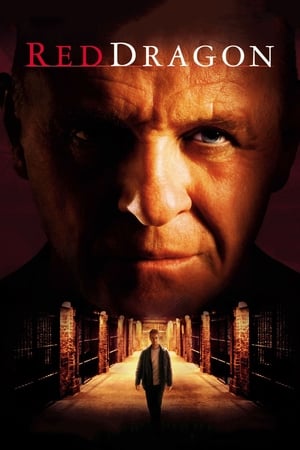
Red Dragon is a psychological horror novel written by American author Thomas Harris. Published in 1981, it introduces the character of Will Graham, an FBI profiler with an extraordinary ability to empathize with criminals, and marks the first appearance of the iconic cannibalistic psychiatrist Dr. Hannibal Lecter. The story centers on Graham's pursuit of a brutal serial killer known as the 'Tooth Fairy,' who commits murders inspired by William Blake's painting 'The Great Red Dragon.'
Harris drew from real-life FBI behavioral science techniques to craft a tense narrative exploring the blurred lines between hunter and hunted, the psychological toll of profiling, and the darkness within the human mind. The novel delves into themes of obsession, identity, and monstrosity, with vivid depictions of forensic investigation and the killer's ritualistic crimes. It became a bestseller and established Harris as a master of the thriller genre.
Red Dragon's legacy lies in its groundbreaking portrayal of criminal psychology and its creation of enduring characters that have influenced popular culture profoundly. It set the stage for Harris's subsequent works, cementing its place as a cornerstone of modern horror and crime fiction.
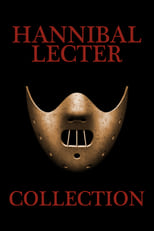
Originating from a series of bestselling novels by author Thomas Harris, this media franchise centers on one of cinema and literature's most iconic antagonists: a highly intelligent, cultured, and cannibalistic serial killer. The stories explore the complex psychological dynamics between law enforcement professionals and the criminal mastermind, whose unique insights into the human psyche make him an invaluable, albeit dangerous, asset in solving gruesome crimes.
At its core, the franchise delves into themes of trauma, morality, and the thin line between civilization and savagery. It examines how past atrocities shape individuals, often blurring the boundaries between hunter and hunted. The narrative structure frequently employs a cat-and-mouse dynamic, relying on tense interrogations, psychological manipulation, and atmospheric dread rather than relying solely on overt violence.
Culturally, the franchise has left an indelible mark on the thriller and horror genres, redefining the archetype of the villain. By presenting a monster who is eloquent, refined, and intellectually superior to his pursuers, it challenged traditional storytelling conventions. Its enduring legacy is evident in its critical acclaim, numerous awards, and lasting influence on popular culture, cementing its status as a cornerstone of modern psychological suspense.