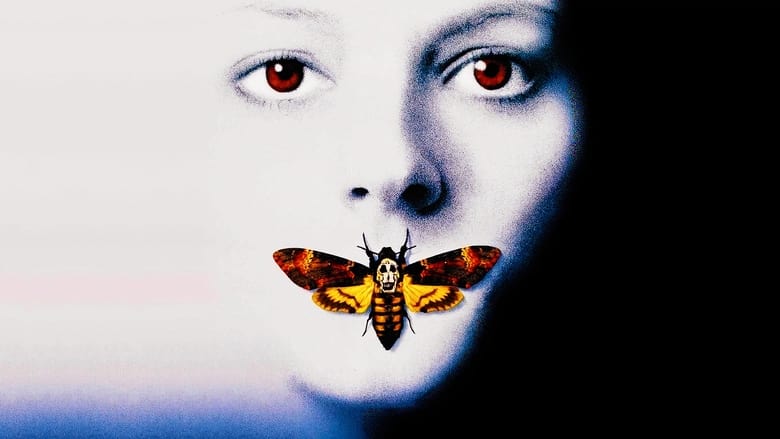
🎬 The Silence of the Lambs (1991)
Part of The Hannibal Lecter
Jonathan Demme's 1991 film adaptation of Thomas Harris's novel is a masterclass in psychological horror that transcends its genre. Rather than relying on gore, Demme creates an atmosphere of suffocating dread through intimate close-ups and a chilling soundscape. The film's genius lies in its casting: Jodie Foster's Clarice Starling is a portrait of fierce vulnerability, while Anthony Hopkins's Hannibal Lecter, with his unblinking gaze and cultured menace, became an instant icon despite having only about 16 minutes of screen time. Ted Tally's screenplay streamlines Harris's intricate plot, focusing the narrative on the tense exchanges between Starling and Lecter, and making Buffalo Bill's identity less of a mystery to heighten the procedural tension.
The film famously swept the major Academy Awards—Best Picture, Director, Actor, Actress, and Adapted Screenplay—a feat achieved only by a handful of films and never before by a horror movie. This recognition was a testament to how Demme elevated the material beyond genre trappings, treating the serial killer narrative with the gravity of a prestige drama. The film's influence is immeasurable, from its impact on FBI profiling techniques in popular culture to its visual language, particularly the use of extreme close-ups to trap viewers in the characters' psychological spaces.
While the novel is a dense, procedural thriller, the film sharpens its focus on the psychological duel between Starling and Lecter. Demme and Tally made key changes, such as omitting the novel's subplot involving Starling's relationship with the FBI's Jack Crawford and simplifying the backstory of Buffalo Bill. The result is a lean, relentless narrative that builds to one of cinema's most iconic final scenes—a tense, darkly lit home invasion that subverts expectations. The film's legacy endures not just as a landmark of horror, but as a benchmark for intelligent, character-driven storytelling in mainstream cinema.
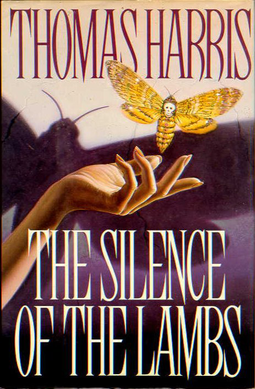
The Silence of the Lambs is a psychological horror crime thriller novel by American author Thomas Harris, first published in 1988. It is the second novel in Harris's series featuring the brilliant cannibalistic psychiatrist and serial killer Dr. Hannibal Lecter, following the 1981 novel Red Dragon. The story introduces FBI trainee Clarice Starling, who is dispatched to interview the incarcerated Lecter at the Baltimore State Hospital for the Criminally Insane in hopes of gaining psychological insight into a new killer, known as Buffalo Bill, who abducts and skins young women.
The novel shifts the series' focus from FBI profiler Will Graham to a new protagonist, Clarice Starling, creating a tense, cerebral cat-and-mouse dynamic between a young, determined woman and a monstrously intelligent predator. Harris's meticulous research into FBI procedures and forensic psychology lends the narrative a chilling authenticity, while the character of Hannibal Lecter became one of modern literature's most iconic villains — cultured, manipulative, and terrifyingly lucid.
Upon release, The Silence of the Lambs was a massive commercial and critical success, selling millions of copies worldwide and cementing Thomas Harris's reputation as a master of the psychological thriller genre. It remains a landmark work that redefined the boundaries of crime fiction, blending procedural detail with gothic horror and paving the way for a new wave of serial killer narratives in both literature and film.

Originating from a series of bestselling novels by author Thomas Harris, this media franchise centers on one of cinema and literature's most iconic antagonists: a highly intelligent, cultured, and cannibalistic serial killer. The stories explore the complex psychological dynamics between law enforcement professionals and the criminal mastermind, whose unique insights into the human psyche make him an invaluable, albeit dangerous, asset in solving gruesome crimes.
At its core, the franchise delves into themes of trauma, morality, and the thin line between civilization and savagery. It examines how past atrocities shape individuals, often blurring the boundaries between hunter and hunted. The narrative structure frequently employs a cat-and-mouse dynamic, relying on tense interrogations, psychological manipulation, and atmospheric dread rather than relying solely on overt violence.
Culturally, the franchise has left an indelible mark on the thriller and horror genres, redefining the archetype of the villain. By presenting a monster who is eloquent, refined, and intellectually superior to his pursuers, it challenged traditional storytelling conventions. Its enduring legacy is evident in its critical acclaim, numerous awards, and lasting influence on popular culture, cementing its status as a cornerstone of modern psychological suspense.
Born from the chilling novels of author Thomas Harris, this cinematic universe has captivated audiences for decades by exploring the intricate dance between law enforcement and one of fiction's most sophisticated antagonists. At its core, the franchise delves into themes of trauma, criminal profiling, and the blurred lines between genius and monstrosity. Rather than relying solely on graphic violence, it uses psychological tension, atmospheric storytelling, and complex character dynamics to create a deeply unsettling viewing experience that has redefined the thriller landscape.
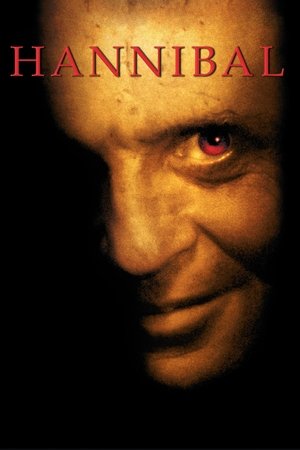
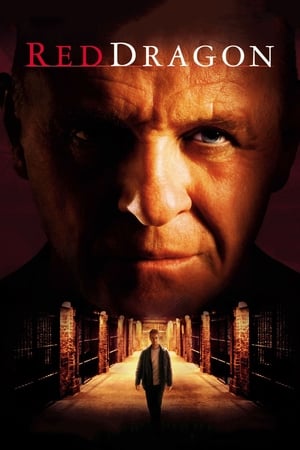
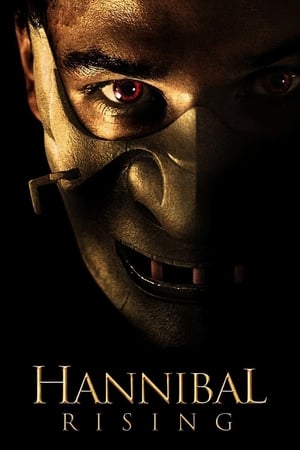
The adaptations span multiple decades, showcasing a remarkable evolution in tone and visual style. Early entries established a gritty, realistic approach to crime dramas, while later installments embraced highly stylized, almost operatic presentations of obsession and revenge. The franchise has consistently pushed boundaries in filmmaking, earning critical acclaim for its direction, cinematography, and standout performances that have become synonymous with the genre.
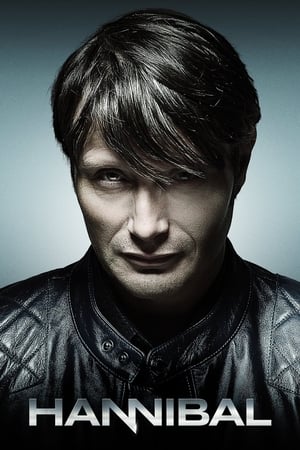
Over the years, the series has grown into a cultural phenomenon that extends far beyond the silver screen. Its impact can be seen in countless homages, academic analyses, and dedicated collector communities that preserve every adaptation across physical media and digital platforms. The stories have also inspired acclaimed television reimaginings that further explore the psychological bonds between the central figures. Ultimately, the franchise endures because it masterfully balances intellectual puzzles with visceral thrills, ensuring that its legacy continues to haunt and fascinate new generations of viewers.