🎬 Hannibal Rising (2007)
Part of Hannibal Lecter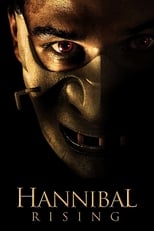
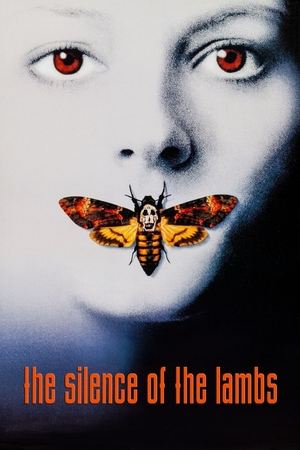
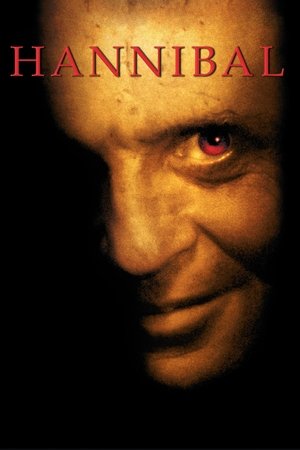
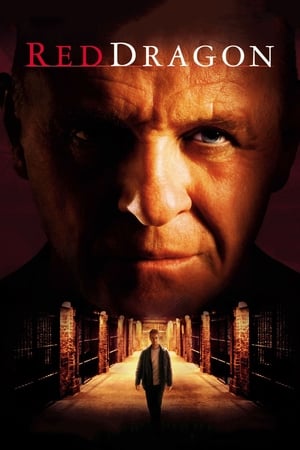
Hannibal Rising is a 2007 psychological horror thriller that attempts to answer a question many fans never wanted asked: what made Hannibal Lecter a monster? Directed by Peter Webber, the film is a direct adaptation of Thomas Harris's 2006 novel of the same name, with Harris himself penning the screenplay. It stands as a prequel to the acclaimed trilogy of Red Dragon, The Silence of the Lambs, and Hannibal, exploring the formative years of the iconic cannibal.
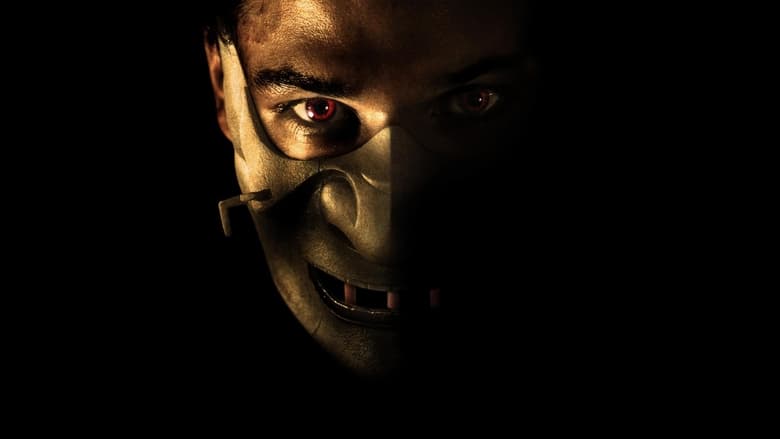
The story traces Lecter's journey from a traumatized child in war-torn Lithuania to a gifted medical student in France. After witnessing the murder and cannibalization of his sister Mischa by a group of Nazi collaborators, a young Hannibal (played as an adult by Gaspard Ulliel) systematically hunts down the men responsible. The film introduces Lady Murasaki (Gong Li), his uncle's Japanese widow, who becomes his mentor and introduces him to the samurai code of honor, which he twists into a justification for his brutal revenge. While the film retains the novel's core plot, it condenses the psychological depth into a more straightforward revenge thriller.
The production was an international affair, filmed primarily at Barrandov Studios in Prague, and co-produced by companies from Italy, the UK, France, and the US. Despite a substantial budget and the pedigree of the source material, the film was largely panned by critics upon its release in February 2007, who found it unnecessary and lacking the chilling sophistication of its predecessors. However, Gaspard Ulliel's performance was widely praised for capturing the eerie stillness and emerging menace of the young Lecter. The film underperformed at the domestic box office but fared better internationally, eventually becoming a hit on home video.
Interestingly, the very existence of both the novel and the film was a point of contention. Producer Dino De Laurentiis, who owned the screen rights to the character, reportedly pressured Harris to write an origin story, threatening to make a prequel film without him. This ultimatum led Harris to write his final Lecter novel, ensuring he maintained creative control over his most famous creation, even if the result was a story that demystified the terrifying enigma he had so carefully built.

Hannibal Rising is a psychological horror novel by American author Thomas Harris, published in 2006. It serves as the fourth and final entry in Harris's series centered on the infamous cannibalistic serial killer, Dr. Hannibal Lecter, but chronologically it is the first, acting as a prequel to Red Dragon, The Silence of the Lambs, and Hannibal. The novel explores the traumatic childhood and young adulthood of Lecter, tracing his evolution from a privileged Lithuanian boy into a vengeful, cold-blooded killer.
The story begins in 1941 Lithuania, where an eight-year-old Hannibal witnesses the brutal murder and cannibalization of his beloved younger sister, Mischa, by a group of Nazi collaborators and deserters during the chaos of World War II. This formative trauma becomes the driving force behind his transformation. The narrative follows him from a Soviet orphanage to his escape to France, where he lives with his uncle's widow, Lady Murasaki, and eventually embarks on a methodical quest for revenge against the men who destroyed his family.
Published with a massive initial print run of over 1.5 million copies, the novel was a commercial endeavor that met with mixed critical reception. Many critics and fans felt the demystification of Lecter's origins diminished the character's terrifying mystique. Producer Dino De Laurentiis later implied that Harris was essentially coerced into writing the book, under threat of the character being taken in a different direction without his involvement, which some attribute to the perceived drop in quality compared to his previous works.

Born from the chilling novels of author Thomas Harris, this cinematic universe has captivated audiences for decades by exploring the intricate dance between law enforcement and one of fiction's most sophisticated antagonists. At its core, the franchise delves into themes of trauma, criminal profiling, and the blurred lines between genius and monstrosity. Rather than relying solely on graphic violence, it uses psychological tension, atmospheric storytelling, and complex character dynamics to create a deeply unsettling viewing experience that has redefined the thriller landscape.
The adaptations span multiple decades, showcasing a remarkable evolution in tone and visual style. Early entries established a gritty, realistic approach to crime dramas, while later installments embraced highly stylized, almost operatic presentations of obsession and revenge. The franchise has consistently pushed boundaries in filmmaking, earning critical acclaim for its direction, cinematography, and standout performances that have become synonymous with the genre.
Over the years, the series has grown into a cultural phenomenon that extends far beyond the silver screen. Its impact can be seen in countless homages, academic analyses, and dedicated collector communities that preserve every adaptation across physical media and digital platforms. The stories have also inspired acclaimed television reimaginings that further explore the psychological bonds between the central figures. Ultimately, the franchise endures because it masterfully balances intellectual puzzles with visceral thrills, ensuring that its legacy continues to haunt and fascinate new generations of viewers.