🎬 Manhunter (1986)
Based on novel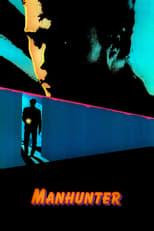
Michael Mann’s "Manhunter" is a fascinating artifact of 1980s cinema, a neon-drenched, synth-scored psychological thriller that adapts Thomas Harris’s novel "Red Dragon" not as a straightforward horror procedural, but as a moody meditation on fractured perception. Mann radically reinterprets the source material’s forensic grit, trading the novel’s methodical, almost clinical detail for a hyper-stylized aesthetic that externalizes Will Graham’s psychological unraveling. The film’s color palette is its own language: the sterile whites and blues of Graham’s domestic life and FBI labs are violently interrupted by the lurid, oversaturated hues that signal his empathic immersion into the killer’s mind. This visual approach makes the act of profiling feel less like deduction and more like a dangerous, almost psychedelic trance, a departure from the novel’s more grounded, procedural tone.
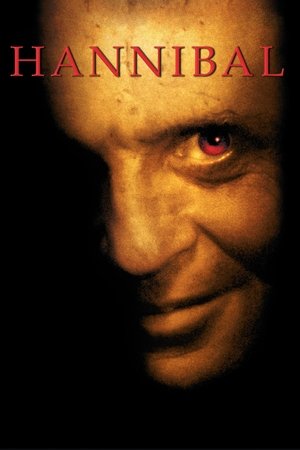
Perhaps the most notable change for audiences familiar with later Lecter adaptations is the portrayal of the cannibalistic psychiatrist, here spelled "Lecktor" and played with a chilling, matter-of-fact menace by Brian Cox. Far from the baroque, cultured monster of Anthony Hopkins, Cox’s Lecktor is a coiled, pragmatic predator, a man whose evil is conveyed through unnerving stillness and a cold, analytical gaze. His scenes with William Petersen’s Graham crackle with a different kind of tension—less a seductive dance and more a hostile debriefing between two men who understand each other’s darkness all too well. The film also makes the bold choice to humanize the killer Francis Dollarhyde (a towering, deeply unsettling Tom Noonan) earlier and more intimately than the book, dedicating significant screen time to his tragic, awkward romance with a blind co-worker, which makes his violence feel even more heartbreakingly grotesque.
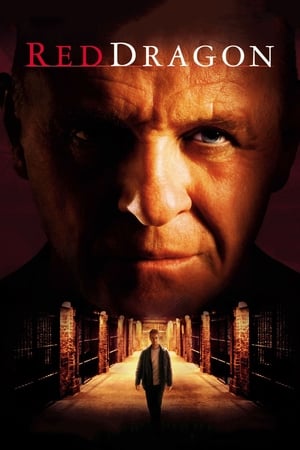
Upon its 1986 release, "Manhunter" was a commercial failure, baffling audiences expecting a conventional slasher or crime thriller and earning mixed critical notices. Its heavily stylized approach—from the iconic use of Iron Butterfly’s "In-A-Gadda-Da-Vida" during the climactic sequence to the minimalist, glass-and-steel production design—was simply out of step with the era’s expectations for the genre. However, the film has undergone a significant critical reappraisal, now celebrated as a foundational text of the modern serial killer thriller. Mann’s focus on the procedural craft of the FBI, the psychological toll of deep-dive investigation, and the unsettling symmetry between hunter and hunted laid the groundwork for countless films and television series that followed, making "Manhunter" a singular, influential vision that stands apart from its more famous, more literal 2002 remake.

Red Dragon is a psychological horror novel written by American author Thomas Harris. Published in 1981, it introduces the character of Will Graham, an FBI profiler with an extraordinary ability to empathize with criminals, and marks the first appearance of the iconic cannibalistic psychiatrist Dr. Hannibal Lecter. The story centers on Graham's pursuit of a brutal serial killer known as the 'Tooth Fairy,' who commits murders inspired by William Blake's painting 'The Great Red Dragon.'
Harris drew from real-life FBI behavioral science techniques to craft a tense narrative exploring the blurred lines between hunter and hunted, the psychological toll of profiling, and the darkness within the human mind. The novel delves into themes of obsession, identity, and monstrosity, with vivid depictions of forensic investigation and the killer's ritualistic crimes. It became a bestseller and established Harris as a master of the thriller genre.
Red Dragon's legacy lies in its groundbreaking portrayal of criminal psychology and its creation of enduring characters that have influenced popular culture profoundly. It set the stage for Harris's subsequent works, cementing its place as a cornerstone of modern horror and crime fiction.