🎬 Naruto Shippuden the Movie: The Lost Tower (2010)
Part of Naruto
Naruto Shippuden the Movie: The Lost Tower is the seventh overall film in the Naruto franchise and the fourth set during the Naruto: Shippuden timeline. Released in Japanese theaters on July 31, 2010, the film is based on Masashi Kishimoto's wildly popular manga series, which had been running in Weekly Shōnen Jump since 1999 and was still ongoing at the time of the film's release. The movie was produced by Studio Pierrot, the same animation studio behind the long-running anime adaptation.
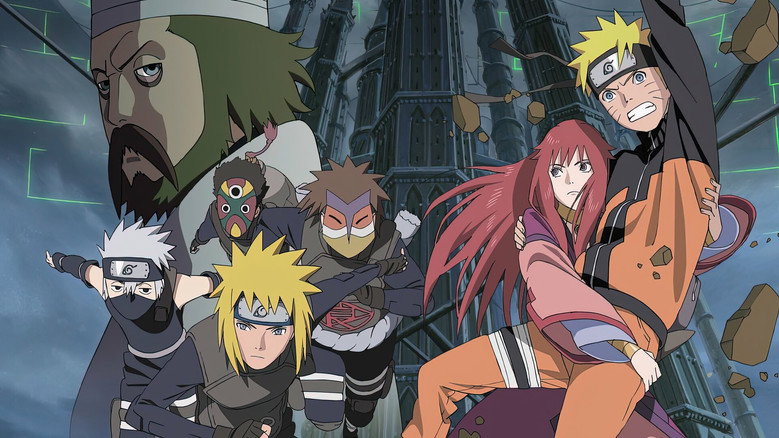
The film sends Naruto Uzumaki, Sakura Haruno, Yamato, and Sai on a mission to the ancient ruins of Loran, where they confront a rogue ninja named Mukade who seeks to harness the power of the Ryūmyaku, an ancient chakra flow deep beneath the earth. A unique twist in the story sends Naruto twenty years into the past, where he encounters a younger version of his father, Minato Namikaze, the future Fourth Hokage, along with other familiar faces from a different era. This time-travel element gave fans a rare opportunity to see father and son interact without either knowing their true connection.
The film was accompanied by a comedic short titled Naruto, the Genie, and the Three Wishes!! and features the theme song "if" by Japanese pop singer Kana Nishino. Viz Media later brought the film to North America, releasing it on DVD and Blu-ray in September 2013 with an English dub. While the Naruto films are generally considered side stories outside the main manga canon, The Lost Tower is fondly remembered by fans for its emotional father-son dynamic and its exploration of the legacy passed down through generations of shinobi.
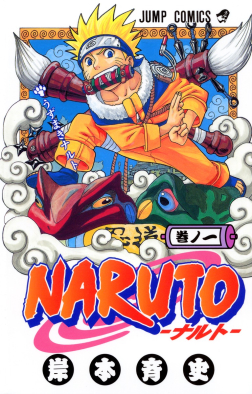
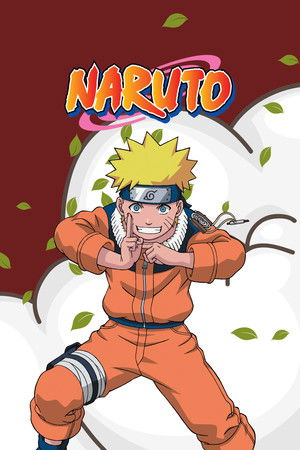
Naruto is a Japanese manga series written and illustrated by Masashi Kishimoto. It was serialized in Shueisha's Weekly Shōnen Jump magazine from September 1999 to November 2014, spanning 700 chapters collected into 72 volumes. The story follows Naruto Uzumaki, a young ninja from the Hidden Leaf Village who carries within him the Nine-Tailed Fox demon that once attacked the village. Ostracized as a child, Naruto dreams of becoming Hokage, the village leader, to earn the respect of his peers.
The manga is divided into two parts: the first covers Naruto's pre-teen years, while the second, known as Naruto: Shippuden, follows his teenage adventures after training with the legendary ninja Jiraiya. The series explores themes of perseverance, friendship, and the cycle of hatred, as Naruto confronts powerful enemies including the rogue ninja Sasuke Uchiha and the criminal organization Akatsuki.
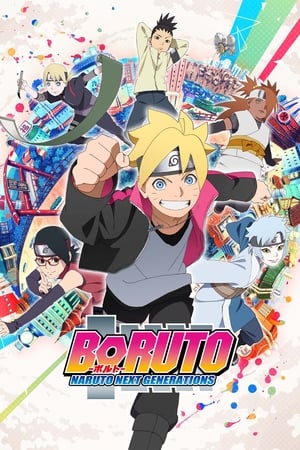
Naruto became one of the best-selling manga series in history, with over 250 million copies in circulation worldwide. It spawned a massive media franchise including two anime television series, multiple animated films, video games, light novels, and a sequel series focused on Naruto's son, Boruto. The series is celebrated for its rich world-building, memorable characters, and emotional storytelling.
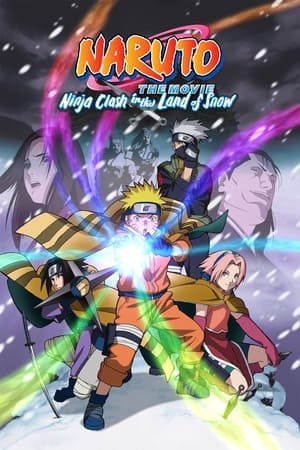
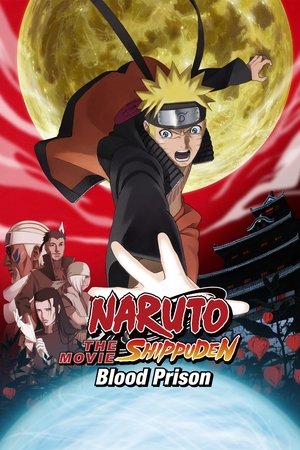
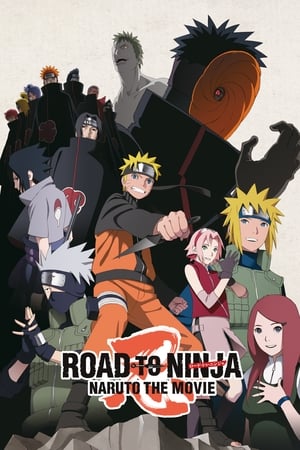
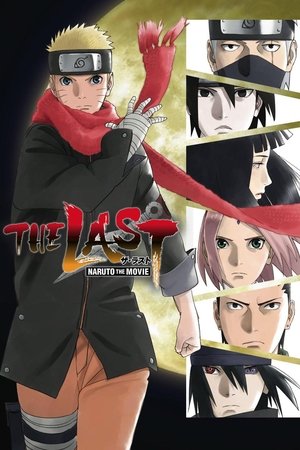
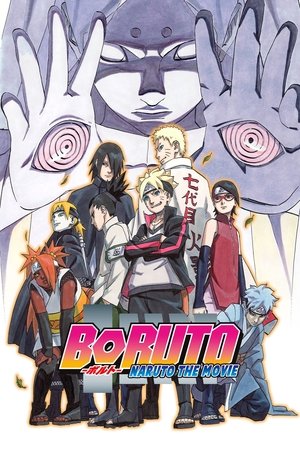
The Naruto film collection comprises a series of animated features based on Masashi Kishimoto's acclaimed manga and its anime adaptations. Beginning in 2004 with 'Naruto the Movie: Ninja Clash in the Land of Snow,' the collection initially accompanied the original 'Naruto' television series, producing three films that follow the young ninja Naruto Uzumaki and his comrades on standalone missions. As the anime transitioned into 'Naruto Shippuden,' the films evolved to reflect the characters' growth and the darker, more complex narrative of the second series, resulting in seven additional theatrical adventures. These stories, while largely original and not directly adapted from the manga, expand the world of the Hidden Leaf Village, exploring diverse settings and introducing unique antagonists that test the bonds of Team 7 and their allies. The collection is unified by its core themes of friendship, perseverance, and the struggle against loneliness, mirroring the emotional heart of the source material. Most entries function as self-contained side stories, offering fans cinematic spectacles that complement the ongoing television narrative without altering its primary canon. However, the final two films mark a significant shift. 'The Last: Naruto the Movie' (2014) serves as a canonical bridge between the manga's conclusion and its epilogue, focusing on Naruto's deepening relationship with Hinata Hyuga. 'Boruto: Naruto the Movie' (2015) then launches the next generation, centering on Naruto's son and setting the stage for the 'Boruto' series. This transition from supplementary tales to essential canon entries highlights the collection's role in both celebrating and concluding the original saga while passing the torch to a new era.