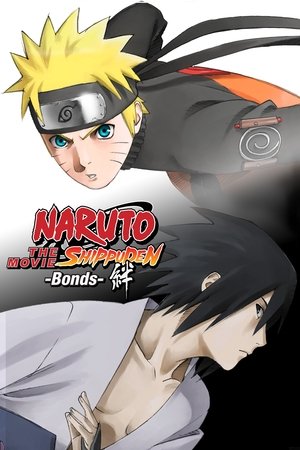
🎬 Naruto Shippuden the Movie (2007)
Part of Naruto
Few modern manga and anime sagas have achieved the global resonance of *Naruto*, Masashi Kishimoto’s sprawling tale of perseverance, friendship, and the search for belonging. At its heart lies Naruto Uzumaki, a boisterous outcast shunned by his village for harboring a devastating fox spirit within him, who vows to earn respect by ascending to the role of Hokage, his community’s most revered protector. The franchise, which began serialization in 1999 and concluded its original manga run in 2014, has sold over 250 million copies worldwide, cementing its place among the best-selling comic series in history. Blending kinetic martial arts, an intricate chakra-based magic system, and a vast ensemble of emotionally complex characters, *Naruto* transformed the shōnen genre, exploring how cycles of hatred and trauma can be broken through empathy and stubborn resolve.
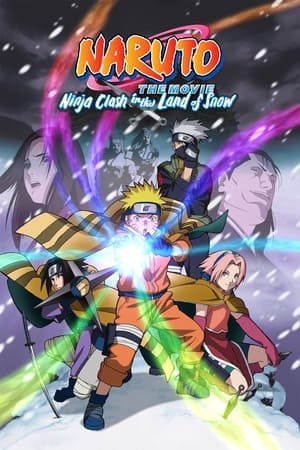
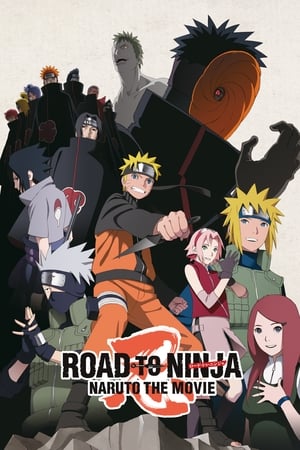
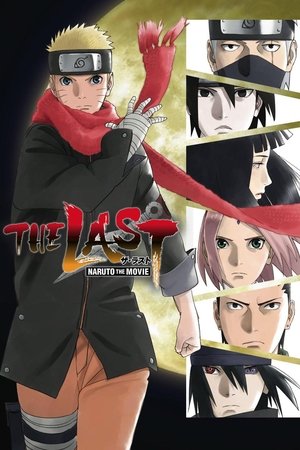
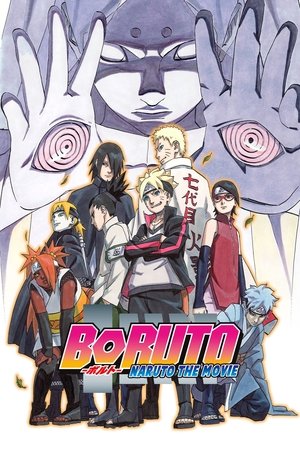
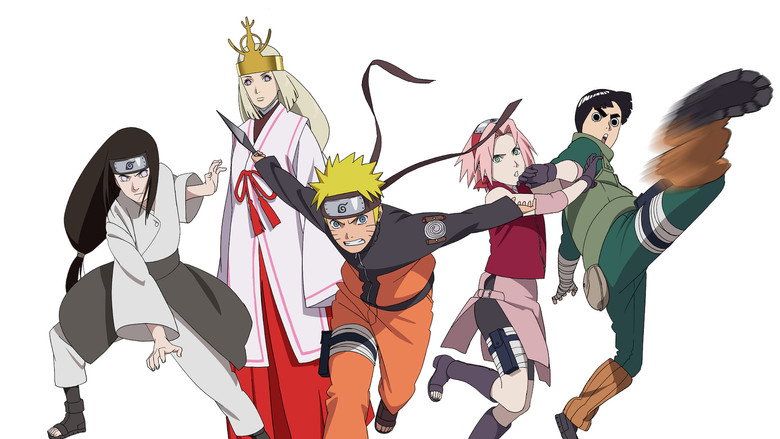
The animated adaptation, produced by Studio Pierrot, expanded this universe from 2002 to 2017, and its eleven feature films became a vital extension of the narrative experience. While many of these theatrical releases delivered self-contained, high-stakes missions—sending the young ninja from snowbound fortresses in *Ninja Clash in the Land of Snow* to alternate realities in *Road to Ninja*—two films in particular reshaped the canon. *The Last: Naruto the Movie* (2014) moved beyond adolescent rivalry to tenderly solidify Naruto’s romantic bond with Hinata Hyuga against a backdrop of apocalyptic celestial stakes, while *Boruto: Naruto the Movie* (2015) passed the torch to a new generation, examining the strained relationship between a world-weary Hokage and his rebellious son. These entries marked a profound tonal shift, transitioning the franchise from a story of youthful ambition to one of adult responsibility and legacy.
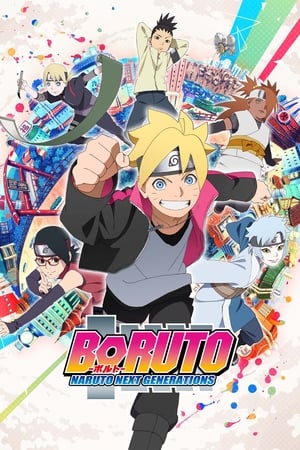
That legacy continues to thrive in *Boruto: Naruto Next Generations*, which follows Naruto’s son and his comrades as they navigate a rapidly modernizing ninja world haunted by lingering celestial threats. Yet the enduring power of the *Naruto* franchise lies not merely in its commercial success or its continuation, but in its foundational mythos—a universe where even the most demonized orphan can rewrite his destiny, and where the most bitter enemies can find redemption. From the early days of Team 7’s formation to the final battles that decided the fate of the shinobi world, the series stands as a cultural touchstone that introduced millions to the idea that true strength is found not in isolation, but in the bonds one fights to protect.

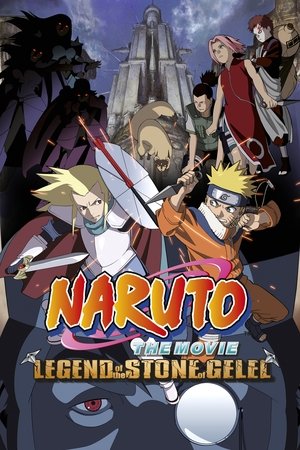
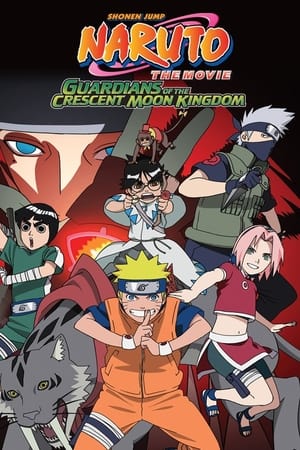
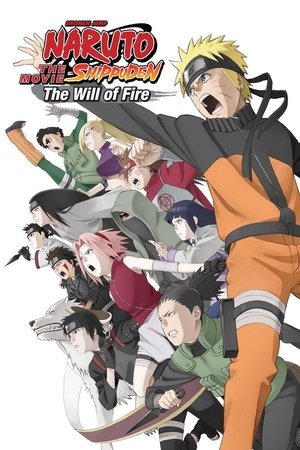
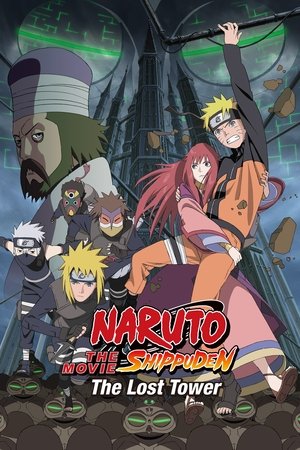
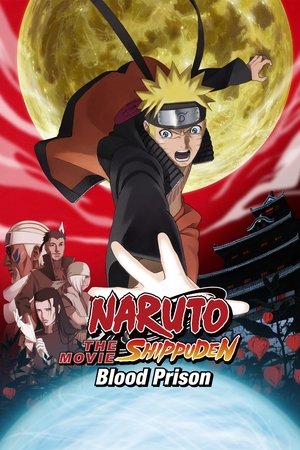
The Naruto film collection comprises a series of animated features based on Masashi Kishimoto's acclaimed manga and its anime adaptations. Beginning in 2004 with 'Naruto the Movie: Ninja Clash in the Land of Snow,' the collection initially accompanied the original 'Naruto' television series, producing three films that follow the young ninja Naruto Uzumaki and his comrades on standalone missions. As the anime transitioned into 'Naruto Shippuden,' the films evolved to reflect the characters' growth and the darker, more complex narrative of the second series, resulting in seven additional theatrical adventures. These stories, while largely original and not directly adapted from the manga, expand the world of the Hidden Leaf Village, exploring diverse settings and introducing unique antagonists that test the bonds of Team 7 and their allies. The collection is unified by its core themes of friendship, perseverance, and the struggle against loneliness, mirroring the emotional heart of the source material. Most entries function as self-contained side stories, offering fans cinematic spectacles that complement the ongoing television narrative without altering its primary canon. However, the final two films mark a significant shift. 'The Last: Naruto the Movie' (2014) serves as a canonical bridge between the manga's conclusion and its epilogue, focusing on Naruto's deepening relationship with Hinata Hyuga. 'Boruto: Naruto the Movie' (2015) then launches the next generation, centering on Naruto's son and setting the stage for the 'Boruto' series. This transition from supplementary tales to essential canon entries highlights the collection's role in both celebrating and concluding the original saga while passing the torch to a new era.