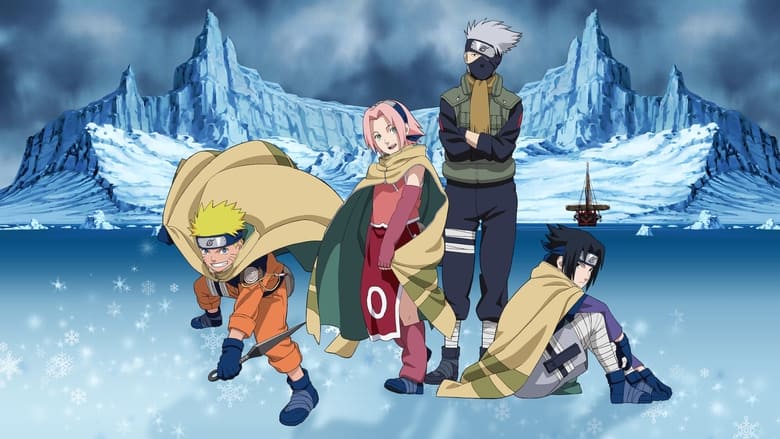
🎬 Naruto the Movie: Ninja Clash in the Land of Snow (2004)
Part of Naruto
Released in 2004, "Naruto the Movie: Ninja Clash in the Land of Snow" holds the distinction of being the very first theatrical film in the sprawling Naruto franchise. Rather than attempting to condense or retell the sprawling manga saga, the film presents an original, self-contained side story that slots neatly into the timeline of the original anime series, taking place after Episode 101. This approach allowed the creative team to craft a cinematic adventure that captures the spirit of Masashi Kishimoto's world without being constrained by the manga's ongoing plot, giving fans a high-stakes mission that feels both fresh and comfortably familiar.
The story whisks Team 7—Naruto, Sasuke, Sakura, and their mentor Kakashi—away from the Hidden Leaf Village to the wintry Land of Snow to protect a spirited actress named Yukie Fujikaze during the filming of her latest movie. The mission quickly escalates from a simple bodyguard assignment into a dramatic confrontation with rogue ninja and a deposed princess's buried past. The film cleverly plays with a film-within-a-film concept, contrasting the glamorous artifice of movie-making with the very real dangers of shinobi life. A key deviation from the source material's tone is the setting itself; the icy, mountainous landscapes and advanced technological gadgets like chakra armor and a steam-powered train provide a distinct visual and thematic departure from the predominantly feudal-era aesthetics of the early manga.
Critically, the film was well-received as a successful expansion of the Naruto universe, praised for its fluid animation and a climactic battle that showcases the spectacular, rainbow-hued "Rasengan" against a backdrop of ice and snow. The central antagonist, Dotō Kazahana, utilizes chakra-absorbing armor that forces the heroes to strategize beyond their usual techniques, highlighting the theme of perseverance against seemingly insurmountable odds. The emotional core rests on Yukie's journey, which mirrors Naruto's own relentless optimism, as he inspires her to stop running from her traumatic past and reclaim her identity. This parallel character work ensures the movie resonates with the manga's deeper themes of identity and redemption.
A notable piece of trivia for Western audiences involves the film's soundtrack. In the original Japanese release, the ending theme "Home Sweet Home" was performed by Yuki Isoya, providing a poignant musical close to the adventure. However, when the film aired on Cartoon Network in the United States in 2007, licensing restrictions led to the song being replaced with "Never Give Up" by Jeremy Sweet. This alteration, while common in early 2000s anime localizations, remains a distinct marker of the film's journey across cultures, separating the viewing experience for different generations of international fans.
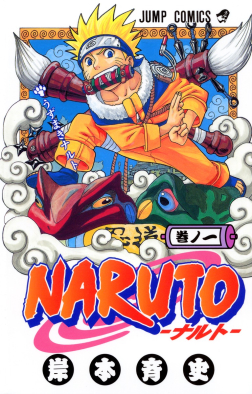
Naruto is a Japanese manga series written and illustrated by Masashi Kishimoto. It was serialized in Shueisha's Weekly Shōnen Jump magazine from September 1999 to November 2014, spanning 700 chapters collected into 72 volumes. The story follows Naruto Uzumaki, a young ninja from the Hidden Leaf Village who carries within him the Nine-Tailed Fox demon that once attacked the village. Ostracized as a child, Naruto dreams of becoming Hokage, the village leader, to earn the respect of his peers.
The manga is divided into two parts: the first covers Naruto's pre-teen years, while the second, known as Naruto: Shippuden, follows his teenage adventures after training with the legendary ninja Jiraiya. The series explores themes of perseverance, friendship, and the cycle of hatred, as Naruto confronts powerful enemies including the rogue ninja Sasuke Uchiha and the criminal organization Akatsuki.
Naruto became one of the best-selling manga series in history, with over 250 million copies in circulation worldwide. It spawned a massive media franchise including two anime television series, multiple animated films, video games, light novels, and a sequel series focused on Naruto's son, Boruto. The series is celebrated for its rich world-building, memorable characters, and emotional storytelling.

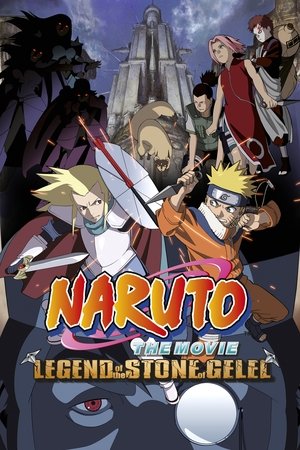
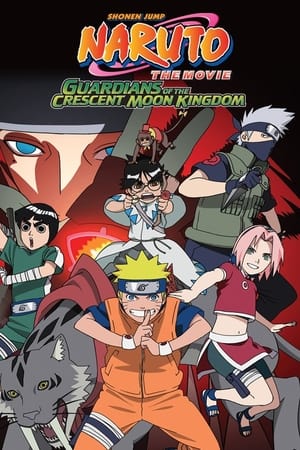
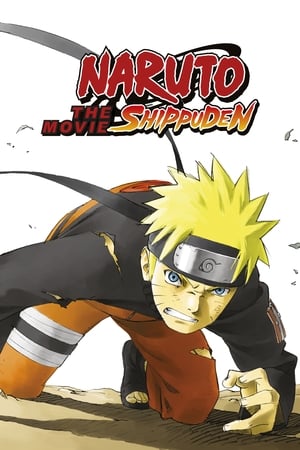
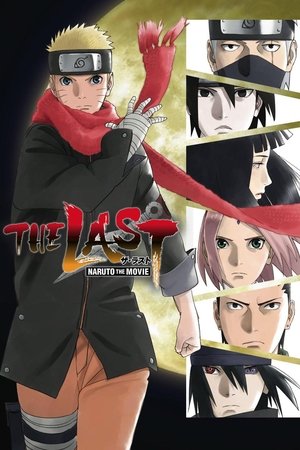
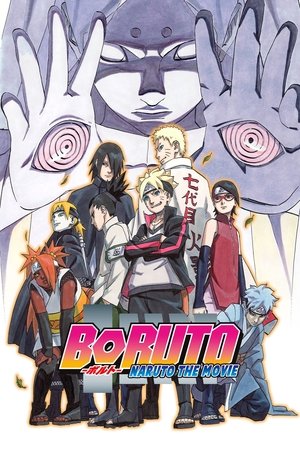
The Naruto film collection comprises a series of animated features based on Masashi Kishimoto's acclaimed manga and its anime adaptations. Beginning in 2004 with 'Naruto the Movie: Ninja Clash in the Land of Snow,' the collection initially accompanied the original 'Naruto' television series, producing three films that follow the young ninja Naruto Uzumaki and his comrades on standalone missions. As the anime transitioned into 'Naruto Shippuden,' the films evolved to reflect the characters' growth and the darker, more complex narrative of the second series, resulting in seven additional theatrical adventures. These stories, while largely original and not directly adapted from the manga, expand the world of the Hidden Leaf Village, exploring diverse settings and introducing unique antagonists that test the bonds of Team 7 and their allies. The collection is unified by its core themes of friendship, perseverance, and the struggle against loneliness, mirroring the emotional heart of the source material. Most entries function as self-contained side stories, offering fans cinematic spectacles that complement the ongoing television narrative without altering its primary canon. However, the final two films mark a significant shift. 'The Last: Naruto the Movie' (2014) serves as a canonical bridge between the manga's conclusion and its epilogue, focusing on Naruto's deepening relationship with Hinata Hyuga. 'Boruto: Naruto the Movie' (2015) then launches the next generation, centering on Naruto's son and setting the stage for the 'Boruto' series. This transition from supplementary tales to essential canon entries highlights the collection's role in both celebrating and concluding the original saga while passing the torch to a new era.