📺 Naruto (2002)
Part of Naruto
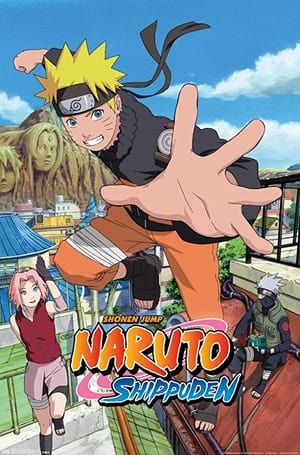
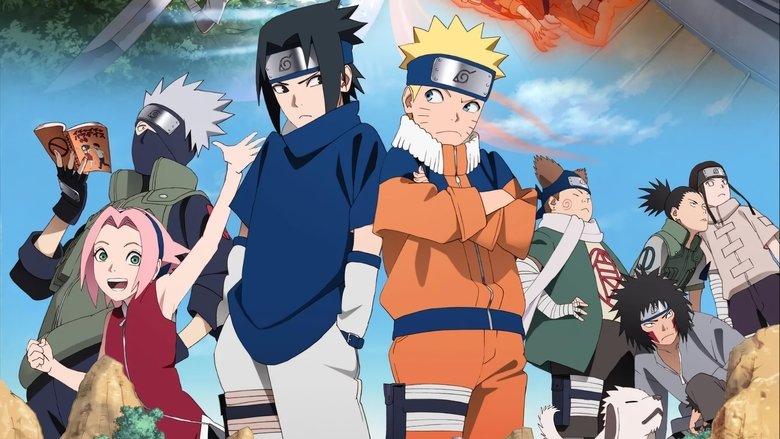
The Naruto anime, produced by Studio Pierrot and Aniplex, premiered on TV Tokyo in October 2002 and faithfully adapted Masashi Kishimoto's wildly popular manga of the same name. The series brought the black-and-white pages to vibrant life, introducing audiences worldwide to the orange-clad knucklehead ninja with a heart of gold and a demon fox sealed inside him. The anime closely follows the manga's storyline through Naruto's pre-teen years, covering his graduation from the Ninja Academy, the formation of Team 7, and the fateful Chunin Exams arc where the series dramatically raised its stakes.
One of the most significant contributions of the anime was its expansion of the source material through original filler arcs. Because the anime quickly caught up to the ongoing manga, the studio created entire storylines not found in Kishimoto's work, such as the Land of Tea Escort Mission and the Mizuki Tracking Mission. While filler episodes are often divisive among fans, they allowed the series to explore side characters more deeply and maintain a weekly broadcast schedule without overtaking the manga's narrative. The anime's soundtrack, composed by Toshio Masuda, also became iconic, with tracks like "Sadness and Sorrow" and the high-energy opening themes becoming synonymous with the series.
The English dub, produced by Viz Media and aired on Cartoon Network's Toonami block, was instrumental in popularizing anime in the West during the 2000s. It introduced a generation to the concept of chakra, hand signs, and the "ninja way," though it also made notable localization changes, such as toning down violence and removing references to alcohol. The original Naruto anime ran for 220 episodes, concluding in February 2007, but the story was immediately continued in Naruto: Shippuden, which adapted Part II of the manga and ran for another 500 episodes, cementing the franchise as one of the most enduring and influential anime properties of all time.
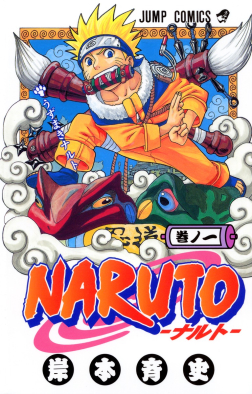
Naruto is a Japanese manga series written and illustrated by Masashi Kishimoto. It was serialized in Shueisha's Weekly Shōnen Jump magazine from September 1999 to November 2014, spanning 700 chapters collected into 72 volumes. The story follows Naruto Uzumaki, a young ninja from the Hidden Leaf Village who carries within him the Nine-Tailed Fox demon that once attacked the village. Ostracized as a child, Naruto dreams of becoming Hokage, the village leader, to earn the respect of his peers.
The manga is divided into two parts: the first covers Naruto's pre-teen years, while the second, known as Naruto: Shippuden, follows his teenage adventures after training with the legendary ninja Jiraiya. The series explores themes of perseverance, friendship, and the cycle of hatred, as Naruto confronts powerful enemies including the rogue ninja Sasuke Uchiha and the criminal organization Akatsuki.
Naruto became one of the best-selling manga series in history, with over 250 million copies in circulation worldwide. It spawned a massive media franchise including two anime television series, multiple animated films, video games, light novels, and a sequel series focused on Naruto's son, Boruto. The series is celebrated for its rich world-building, memorable characters, and emotional storytelling.

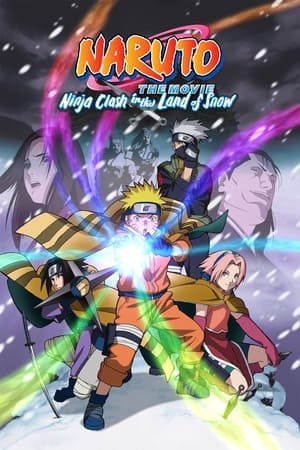
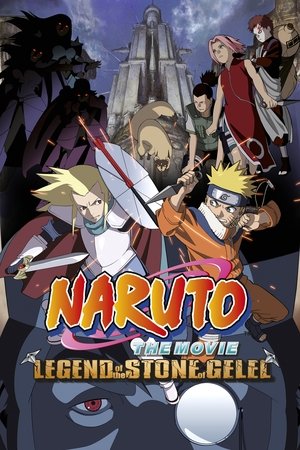
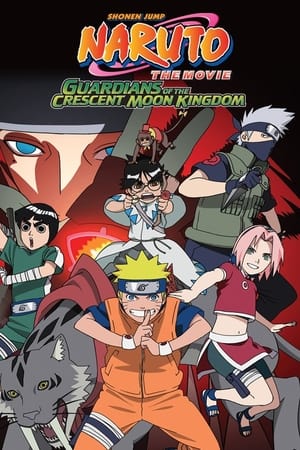
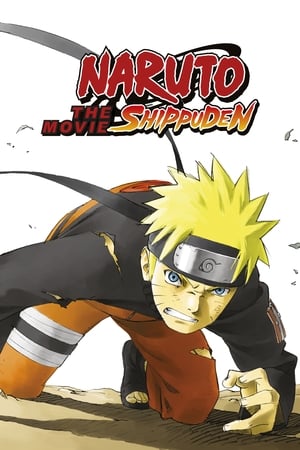
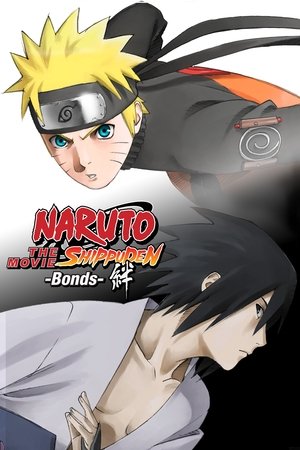
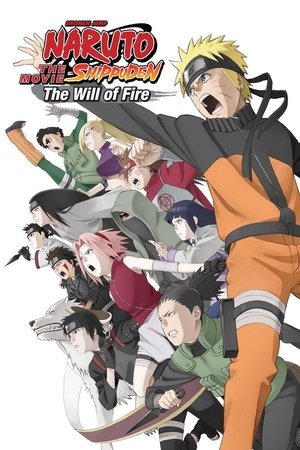
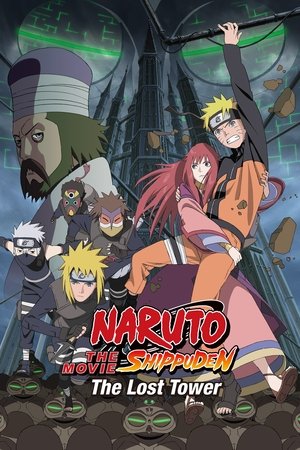
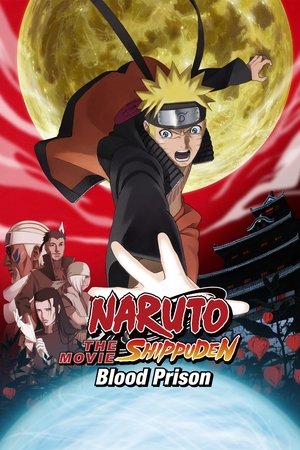
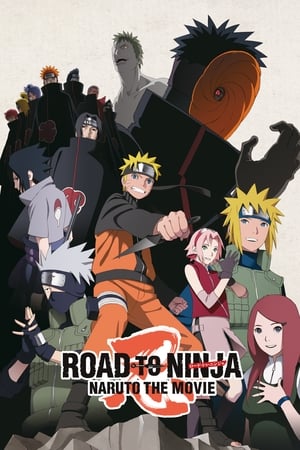
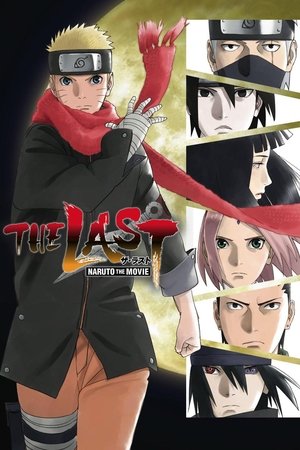
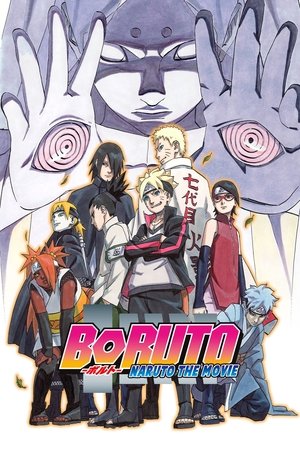
The Naruto film collection comprises a series of animated features based on Masashi Kishimoto's acclaimed manga and its anime adaptations. Beginning in 2004 with 'Naruto the Movie: Ninja Clash in the Land of Snow,' the collection initially accompanied the original 'Naruto' television series, producing three films that follow the young ninja Naruto Uzumaki and his comrades on standalone missions. As the anime transitioned into 'Naruto Shippuden,' the films evolved to reflect the characters' growth and the darker, more complex narrative of the second series, resulting in seven additional theatrical adventures. These stories, while largely original and not directly adapted from the manga, expand the world of the Hidden Leaf Village, exploring diverse settings and introducing unique antagonists that test the bonds of Team 7 and their allies. The collection is unified by its core themes of friendship, perseverance, and the struggle against loneliness, mirroring the emotional heart of the source material. Most entries function as self-contained side stories, offering fans cinematic spectacles that complement the ongoing television narrative without altering its primary canon. However, the final two films mark a significant shift. 'The Last: Naruto the Movie' (2014) serves as a canonical bridge between the manga's conclusion and its epilogue, focusing on Naruto's deepening relationship with Hinata Hyuga. 'Boruto: Naruto the Movie' (2015) then launches the next generation, centering on Naruto's son and setting the stage for the 'Boruto' series. This transition from supplementary tales to essential canon entries highlights the collection's role in both celebrating and concluding the original saga while passing the torch to a new era.