📺 He-Man and the Masters of the Universe (2021)
Based on toy
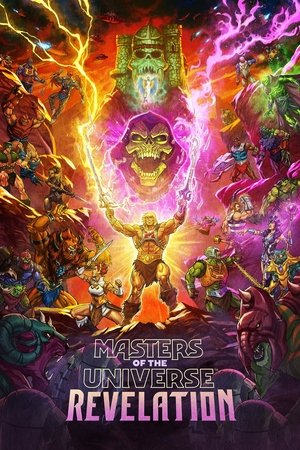
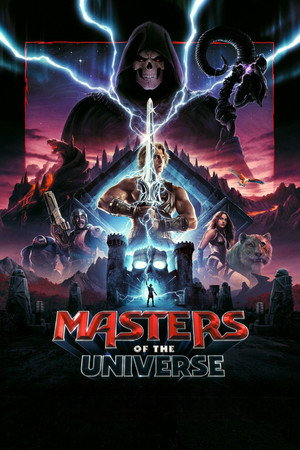
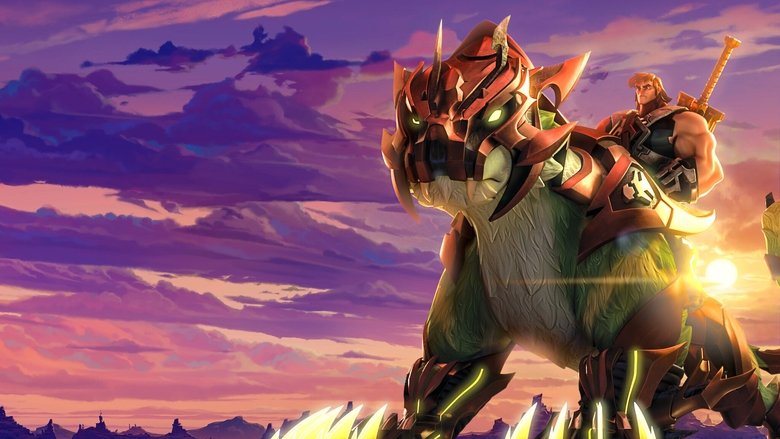
Netflix's 2021 CGI series "He-Man and the Masters of the Universe" arrived as a vibrant, ground-up reimagining of the classic 1980s property, deliberately distancing itself from the retro-continuity approach of its sister show, Kevin Smith's "Masters of the Universe: Revelation." Developed by Rob David, this version jettisons the familiar Prince Adam alter-ego dynamic in favor of a more mythic origin: an amnesiac young prince, separated from his royal father, is raised by a Tiger Tribe alongside his best friend Krass'tine. When he discovers the Power Sword, he unlocks the mantle of He-Man, forging a new band of heroes that includes a reimagined Teela as the Sorceress-in-training, a tech-savvy Duncan, and the cowardly tiger Cringer, who transforms into the formidable Battle Cat. This fresh take leans heavily into themes of found family and self-discovery, trading the original's barbarian aesthetic for a sleek, anime-influenced CGI look that pops with color and kinetic energy.
The series makes several bold character revisions that set it apart from any previous incarnation. Krass'tine, an original creation, becomes Ram-Ma'am, a ram-like powerhouse, adding a new female warrior to the core team. Classic villains like Skeletor (formerly Keldor, Adam's uncle), Evil-Lyn, and Trap Jaw are reimagined with deeper backstories and motivations, while the show sprinkles in deep-cut cameos for longtime fans—most notably, original Skeletor voice actor Alan Oppenheimer appearing as King Grayskull, and Kevin Smith voicing the bounty hunter Tri-Klops. The storytelling is serialized across three seasons, allowing for character arcs and world-building that the episodic 1983 series could only hint at. The animation, handled by Taiwan's CGCG Inc., gives the action sequences a fluid, almost cinematic quality, while the voice cast—led by Yuri Lowenthal's earnest He-Man—brings warmth and humor to the proceedings.
Aimed squarely at a new generation of kids, the series was part of Mattel's broader strategy to revive the Masters of the Universe brand across multiple demographics. While "Revelation" courted nostalgia-heavy adults with its direct sequel status and darker tone, this CGI show offered a gateway for younger viewers, earning praise for its inclusive character designs and modern sensibilities. It ran for three seasons between 2021 and 2022, quietly building a dedicated young fanbase even as it lived somewhat in the shadow of its more controversial counterpart. Though it didn't generate the same level of online discourse, it stands as a successful, self-contained reimagining that proves the core appeal of He-Man—the power of transformation and the fight for justice—can thrive without being chained to the past.
Masters of the Universe is a media franchise created by the American toy company Mattel, first launched in 1982 with a line of action figures. The central premise revolves around the conflict between the heroic He-Man, the alter ego of Prince Adam, and the evil sorcerer Skeletor on the planet Eternia. The toy line was notable for its muscular, barbarian-inspired aesthetic, which was a departure from the smaller, less detailed action figures of the previous decade.
The franchise was accompanied by a series of mini-comics packed in with the figures, which established the initial lore and character backstories. This mythology was significantly expanded by the popular 1983 animated television series He-Man and the Masters of the Universe, which softened the characters and introduced the now-iconic transformation sequence. The franchise became a massive cultural phenomenon in the 1980s, spawning a feature film, multiple animated series, and a vast array of merchandise.
Beyond its commercial success, Masters of the Universe is recognized for its unique blend of science fiction and fantasy, creating a world where advanced technology coexists with magic and mythical creatures. The franchise has maintained a dedicated fanbase for decades, leading to periodic revivals and reinterpretations of its core characters and stories, exploring deeper themes of power, destiny, and the nature of good and evil.