🎬 Masters of the Universe (1987)
Based on toy
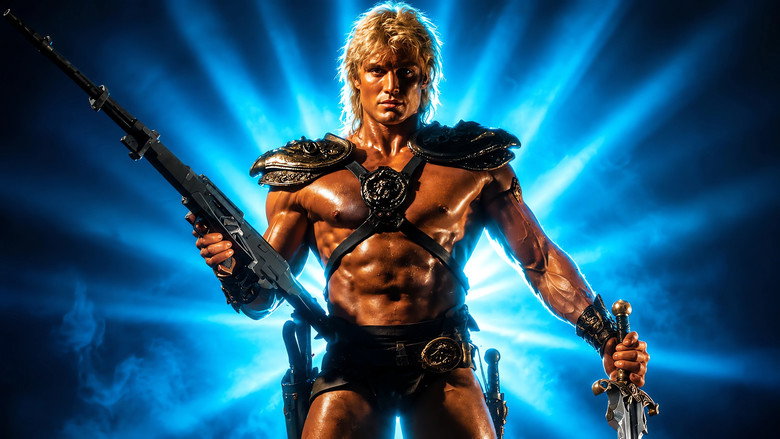
When Gary Goddard’s 'Masters of the Universe' landed in theaters in the summer of 1987, it faced the Herculean task of translating a toy-fueled cartoon phenomenon into live-action spectacle. The film made the radical decision to transplant much of the action from the fantastical realm of Eternia to suburban Earth, a budgetary compromise that saw He-Man, Man-At-Arms, and Teela chasing a cosmic key through small-town America. This fish-out-of-water approach, complete with a high school romance subplot and a fast-food chicken joint, baffled fans expecting the sword-and-sorcery epic of the animated series. Dolph Lundgren, fresh from his 'Rocky IV' breakout, brought the required physicality to He-Man but was given minimal dialogue, while the film’s secret weapon proved to be Frank Langella, who delivered a Shakespearean, genuinely menacing Skeletor beneath layers of prosthetic makeup, a performance he later called one of his favorites.
The production was notoriously troubled, with Cannon Films slashing the budget mid-shoot, forcing the scrapping of a planned battle sequence on Eternia and the reuse of sets and costumes from other Cannon productions. The cosmic key, a central MacGuffin, was a bizarre, synthesizer-playing device designed by the film’s composer, and the character of Orko was replaced by a diminutive inventor named Gwildor, a change that became a lightning rod for fan criticism. Despite these deviations, the film retained the core mythic conflict, with Skeletor’s ultimate transformation into a golden-armored god providing a genuinely impressive visual climax that hinted at the grander fantasy film it might have been with a larger budget.
Critically eviscerated upon release and a box office disappointment, the film has undergone a significant reappraisal over the decades. Its practical effects, Jack Kirby-inspired production design, and Bill Conti’s rousing score are now celebrated by a devoted cult following. Langella’s Skeletor, in particular, is frequently cited as one of cinema’s great underrated villains, bringing a gravitas that elevates the entire project. The film’s legacy is a complex one: it is simultaneously a cautionary tale of studio interference and a beloved artifact of 1980s genre filmmaking, a strange hybrid that, in its own flawed way, captured the earnest, cosmic weirdness at the heart of the franchise.
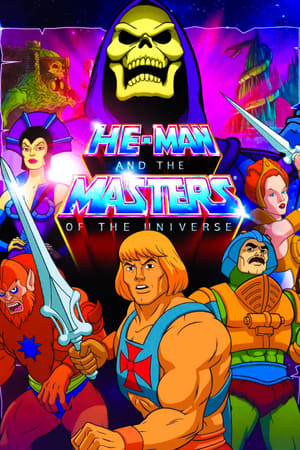
Masters of the Universe is a media franchise created by the American toy company Mattel, first launched in 1982 with a line of action figures. The central premise revolves around the conflict between the heroic He-Man, the alter ego of Prince Adam, and the evil sorcerer Skeletor on the planet Eternia. The toy line was notable for its muscular, barbarian-inspired aesthetic, which was a departure from the smaller, less detailed action figures of the previous decade.
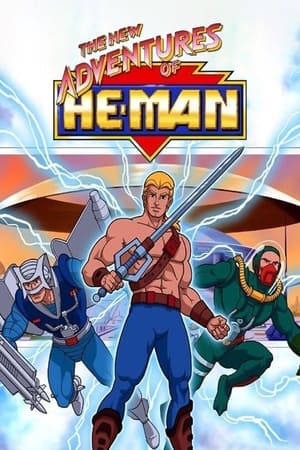
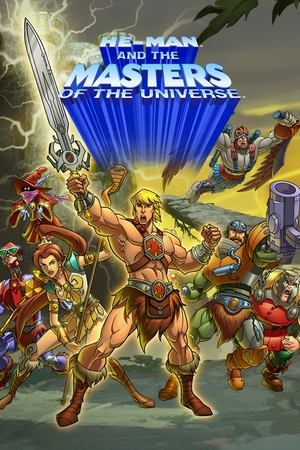
The franchise was accompanied by a series of mini-comics packed in with the figures, which established the initial lore and character backstories. This mythology was significantly expanded by the popular 1983 animated television series He-Man and the Masters of the Universe, which softened the characters and introduced the now-iconic transformation sequence. The franchise became a massive cultural phenomenon in the 1980s, spawning a feature film, multiple animated series, and a vast array of merchandise.
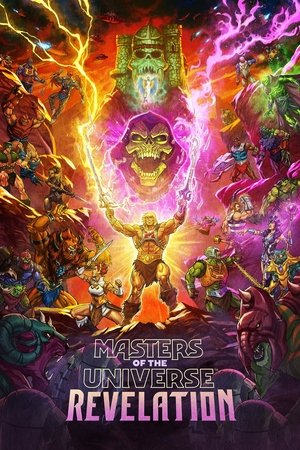
Beyond its commercial success, Masters of the Universe is recognized for its unique blend of science fiction and fantasy, creating a world where advanced technology coexists with magic and mythical creatures. The franchise has maintained a dedicated fanbase for decades, leading to periodic revivals and reinterpretations of its core characters and stories, exploring deeper themes of power, destiny, and the nature of good and evil.