📺 The New Adventures of He-Man (1990)
Based on toy
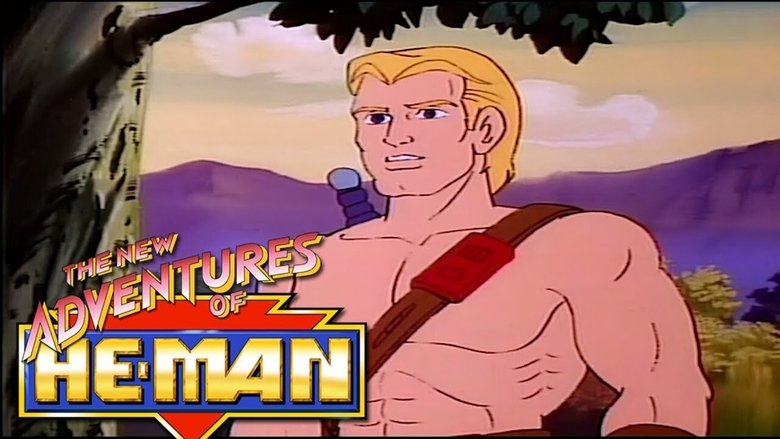
The New Adventures of He-Man is a 1990 animated series that represents a bold, if short-lived, attempt to take the Masters of the Universe franchise in a radically new direction. Produced after the original Filmation studio had closed its doors, the series acts as a continuation of the classic He-Man and the Masters of the Universe continuity, but transplants the action from the sword-and-sorcery world of Eternia to the futuristic planet of Primus. He-Man, now sporting a new ponytail and space-age armor, is summoned across the galaxy to defend Primus from the evil Mutants of the neighboring planet Denebria.
In a significant departure from the original series, the show was produced by Jetlag Productions and featured an entirely Canadian voice cast, a first for the franchise. The central conflict sees He-Man leading a team of Galactic Guardians against the Mutants, but the stakes are raised when his arch-nemesis Skeletor follows him to the future and allies himself with the invaders. The series was closely tied to a new Mattel toy line simply called He-Man, which updated the character designs with a more overtly science-fiction aesthetic, leaving behind much of the barbarian fantasy elements that had defined the 1980s line.
The New Adventures of He-Man ran for a single season of 65 episodes and marked the end of the original Masters of the Universe continuity for over a decade. The franchise would not return to television until a full reboot in 2002. Despite its brief run, the series has maintained a cult following among fans for its willingness to experiment with the established lore, and it remains a fascinating footnote in He-Man history as the final chapter of the classic saga before the property was reimagined for a new generation.
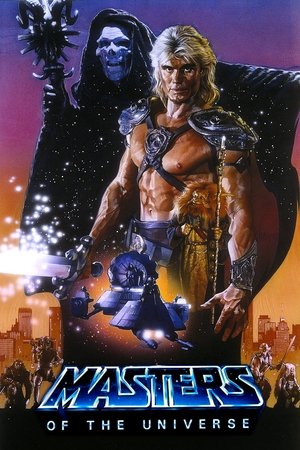
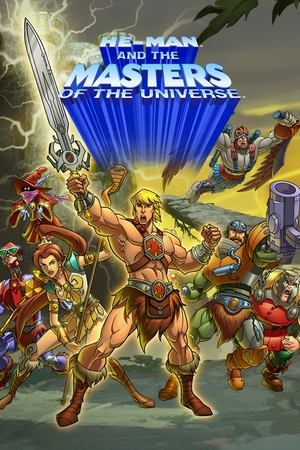
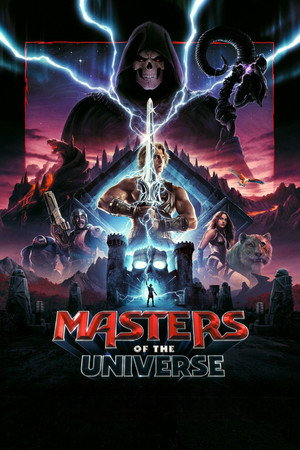
Masters of the Universe is a media franchise created by the American toy company Mattel, first launched in 1982 with a line of action figures. The central premise revolves around the conflict between the heroic He-Man, the alter ego of Prince Adam, and the evil sorcerer Skeletor on the planet Eternia. The toy line was notable for its muscular, barbarian-inspired aesthetic, which was a departure from the smaller, less detailed action figures of the previous decade.
The franchise was accompanied by a series of mini-comics packed in with the figures, which established the initial lore and character backstories. This mythology was significantly expanded by the popular 1983 animated television series He-Man and the Masters of the Universe, which softened the characters and introduced the now-iconic transformation sequence. The franchise became a massive cultural phenomenon in the 1980s, spawning a feature film, multiple animated series, and a vast array of merchandise.
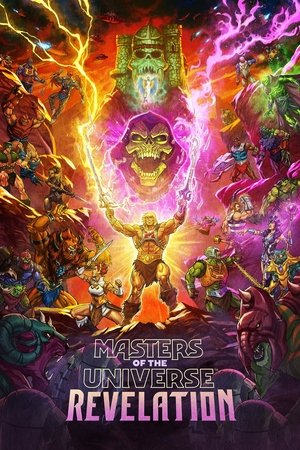
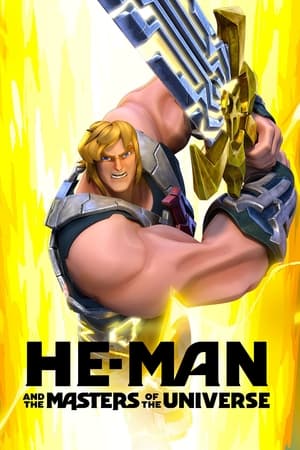
Beyond its commercial success, Masters of the Universe is recognized for its unique blend of science fiction and fantasy, creating a world where advanced technology coexists with magic and mythical creatures. The franchise has maintained a dedicated fanbase for decades, leading to periodic revivals and reinterpretations of its core characters and stories, exploring deeper themes of power, destiny, and the nature of good and evil.