🎬 The Rage: Carrie 2 (1999)
Part of Carrie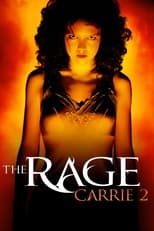
Arriving over two decades after Brian De Palma's horror classic, The Rage: Carrie 2 attempted to resurrect the telekinetic terror for a new generation, but with a distinctly 90s edge. Rather than a straightforward remake, the film positions itself as a direct sequel, revealing that Carrie White had a previously unknown half-sister, Rachel Lang, played with palpable vulnerability by Emily Bergl in her debut role. The narrative cleverly mirrors the original's structure—shifting the central tragedy from a prom night bloodbath to a jock house party—while updating the source of torment from general bullying to a specific, brutal exploration of sexual exploitation and rape culture among high school athletes.
Director Katt Shea, known for her work in the feminist horror space, infused the film with a raw, grungy aesthetic that traded the dreamy, soft-focus dread of the 1976 film for a harsher, more cynical look at suburban adolescence. The most significant connective tissue to the past is the return of Amy Irving as Sue Snell, now a guidance counselor haunted by the events of the original prom, who becomes the sole character to recognize the terrifying pattern repeating itself. The film's genesis is almost as interesting as its plot; it began life as a standalone script called The Curse before being retrofitted into the Carrie universe, a decision that explains why the supernatural elements sometimes feel grafted onto a dark teen drama.
Upon its release in March 1999, The Rage: Carrie 2 was met with critical scorn and audience indifference, failing to recoup its $21 million budget. Critics largely dismissed it as a cynical, beat-for-beat retread that lacked the operatic power and shocking originality of De Palma's masterpiece. However, the film has undergone a minor critical reevaluation in recent years, with many commentators praising its surprisingly prescient handling of toxic masculinity and the systemic protection of predatory young men—themes that resonate far more strongly in a post-#MeToo landscape than they did at the turn of the millennium.
Despite its commercial failure, the film's legacy is anchored by Bergl's committed performance, which earned her a Saturn Award nomination and remains the one element universally singled out for praise. It stands as a fascinating, if flawed, artifact of late-90s horror: a sequel that tries to honor its source material's spirit of outsider rage while simultaneously commenting on the specific cruelties of its own era, proving that the fury Carrie White unleashed was never going to be contained to just one generation.

Carrie is the debut novel by acclaimed horror author Stephen King, first published in 1974 by Doubleday. The story centers on Carrie White, a shy and socially isolated high school girl living under the domineering influence of her fanatically religious mother. Enduring relentless bullying from her peers, Carrie's life takes a dark turn when she discovers her telekinetic powers during her first menstrual period, setting the stage for a explosive climax at her senior prom.
King wrote the novel in a burst of inspiration while working as a high school teacher, nearly discarding the draft before his wife retrieved it from the trash. The book explores themes of repression, adolescent cruelty, religious fanaticism, and the destructive power of unleashed rage. It blends supernatural horror with psychological depth, marking King's entry into a career that would redefine the genre.
Upon release, Carrie became a massive bestseller, launching King's career and establishing him as a master of modern horror. Its cultural impact endures through its iconic imagery and exploration of outsider vengeance, influencing countless works in literature, film, and popular culture.
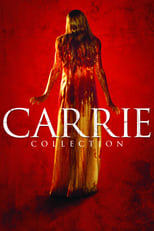
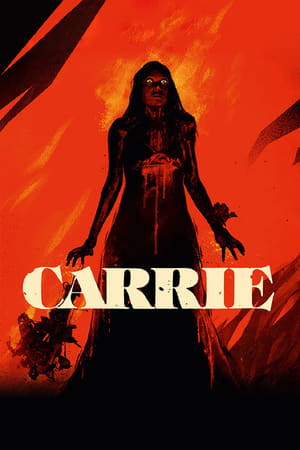
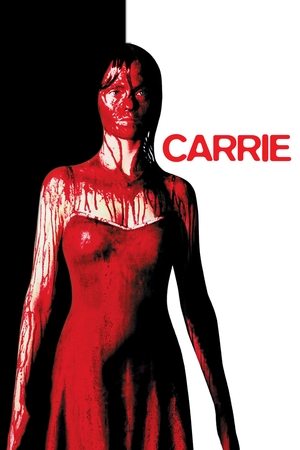
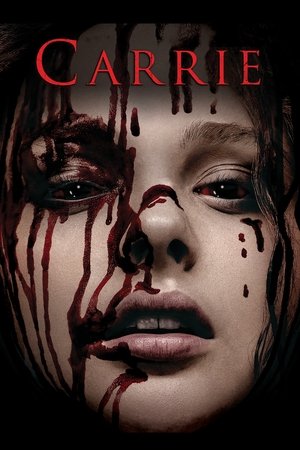
The Carrie collection originates from Stephen King's 1974 debut novel, a landmark work of modern horror that introduced readers to Carrie White, a deeply isolated teenager burdened with extraordinary telekinetic abilities. The story explores the devastating intersection of adolescent vulnerability, systemic bullying, and the suffocating grip of religious extremism, examining how unchecked cruelty and emotional repression can spiral into catastrophic consequences. This potent blend of supernatural terror and sharp social commentary on conformity, peer pressure, and familial dysfunction established the narrative as a timeless exploration of trauma and retribution.
The collection expanded significantly beyond the original novel, beginning with Brian De Palma's acclaimed 1976 film adaptation, which became a defining touchstone of teen horror. Its iconic depiction of a high school prom turned into a scene of apocalyptic destruction has been widely referenced and parodied across popular media, cementing the story's cultural status. The property grew to include a sequel, a 2002 television film, a 2013 theatrical remake, a Broadway musical, and an upcoming television miniseries, each iteration maintaining a focus on psychological dread and the fragility of the human mind under extreme stress.
Culturally, the Carrie collection has left an indelible mark on the horror genre, influencing countless works and establishing Stephen King as a master of modern speculative fiction. Its enduring appeal lies in its ability to blend visceral horror with empathetic character study, making the monstrous emerge from everyday environments. The collection's legacy is defined by its unflinching look at the consequences of abuse and isolation, ensuring its place as a cornerstone of horror media.