🎬 Carrie (1976)
Part of Carrie
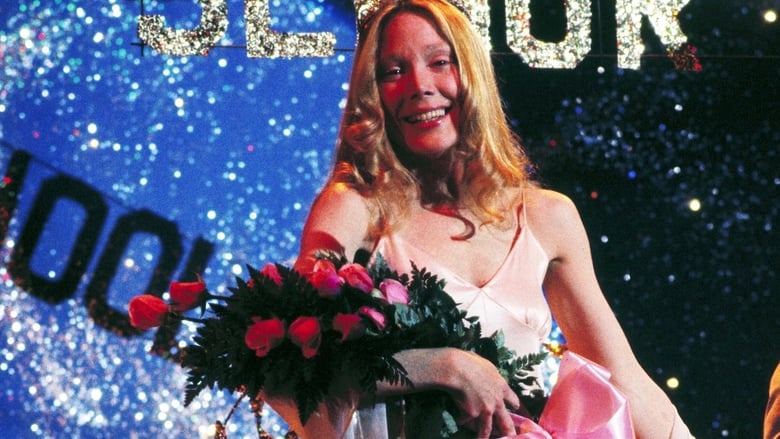
Brian De Palma’s 1976 adaptation of Stephen King’s debut novel didn’t just launch a franchise—it established the visual grammar for a certain kind of operatic horror tragedy. De Palma, working from Lawrence D. Cohen’s script, transformed King’s epistolary, document-driven narrative into a lush, split-screen fever dream. The film leans heavily into the director’s signature voyeuristic style, most famously during the prom sequence, where swirling cameras and slow motion turn a high school gym into a cathedral of impending doom. The decision to open with Carrie’s traumatic shower scene immediately establishes a tone of raw vulnerability that the novel builds more gradually, condensing the psychological torment into a series of visually arresting set pieces.
The casting proved revelatory. Sissy Spacek, who was 26 at the time, inhabited Carrie White with a fragile, otherworldly quality that earned her an Academy Award nomination. Her performance makes the character’s eventual rampage feel less like monster-movie vengeance and more like a tragic exorcism of accumulated pain. Opposite her, Piper Laurie created a monster of a different kind as Margaret White, transforming the novel’s religious fanatic into a performance of such unhinged intensity that it, too, received an Oscar nod. The film also made the shrewd choice to soften the character of Sue Snell, played by Amy Irving, giving the story a survivor’s perspective that frames the horror as a cautionary tale rather than pure exploitation.
The prom sequence remains the film’s enduring masterstroke, a masterclass in sustained tension that improves on the novel’s more chaotic description of the event. Where King’s book uses multiple eyewitness accounts to piece together the disaster, De Palma presents it as a single, fluid nightmare—the slow build of Carrie’s happiness, the rope pull, the bucket drop, and then the devastating pause before all hell breaks loose. The split-screen technique during the carnage was controversial at the time but has since become iconic, allowing audiences to witness both Carrie’s stoic, wide-eyed destruction and the panicked chaos she unleashes simultaneously. It’s a stylistic gamble that pays off by making the audience complicit in the spectacle.
Released on a shoestring budget of $1.8 million, the film grossed over $33.8 million and cemented King’s commercial viability in Hollywood, paving the way for decades of adaptations. Its influence extends far beyond box office returns—the prom queen nightmare, the religious zealot parent, and the bullied outsider’s explosive revenge have become permanent fixtures in the horror lexicon. De Palma’s film doesn’t just adapt King’s novel; it amplifies its emotional core through pure cinematic language, proving that the most effective horror doesn’t just scare you—it breaks your heart first.

Carrie is the debut novel by acclaimed horror author Stephen King, first published in 1974 by Doubleday. The story centers on Carrie White, a shy and socially isolated high school girl living under the domineering influence of her fanatically religious mother. Enduring relentless bullying from her peers, Carrie's life takes a dark turn when she discovers her telekinetic powers during her first menstrual period, setting the stage for a explosive climax at her senior prom.
King wrote the novel in a burst of inspiration while working as a high school teacher, nearly discarding the draft before his wife retrieved it from the trash. The book explores themes of repression, adolescent cruelty, religious fanaticism, and the destructive power of unleashed rage. It blends supernatural horror with psychological depth, marking King's entry into a career that would redefine the genre.
Upon release, Carrie became a massive bestseller, launching King's career and establishing him as a master of modern horror. Its cultural impact endures through its iconic imagery and exploration of outsider vengeance, influencing countless works in literature, film, and popular culture.
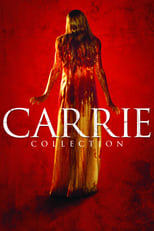
The Carrie collection originates from Stephen King's 1974 debut novel, a landmark work of modern horror that introduced readers to Carrie White, a deeply isolated teenager burdened with extraordinary telekinetic abilities. The story explores the devastating intersection of adolescent vulnerability, systemic bullying, and the suffocating grip of religious extremism, examining how unchecked cruelty and emotional repression can spiral into catastrophic consequences. This potent blend of supernatural terror and sharp social commentary on conformity, peer pressure, and familial dysfunction established the narrative as a timeless exploration of trauma and retribution.
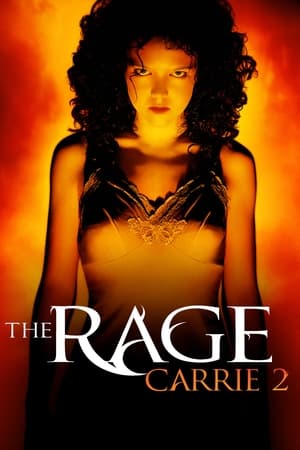
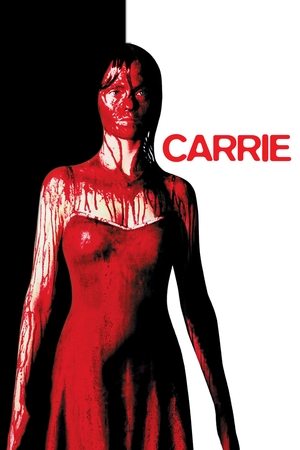
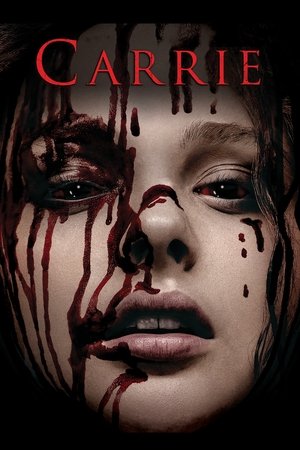
The collection expanded significantly beyond the original novel, beginning with Brian De Palma's acclaimed 1976 film adaptation, which became a defining touchstone of teen horror. Its iconic depiction of a high school prom turned into a scene of apocalyptic destruction has been widely referenced and parodied across popular media, cementing the story's cultural status. The property grew to include a sequel, a 2002 television film, a 2013 theatrical remake, a Broadway musical, and an upcoming television miniseries, each iteration maintaining a focus on psychological dread and the fragility of the human mind under extreme stress.
Culturally, the Carrie collection has left an indelible mark on the horror genre, influencing countless works and establishing Stephen King as a master of modern speculative fiction. Its enduring appeal lies in its ability to blend visceral horror with empathetic character study, making the monstrous emerge from everyday environments. The collection's legacy is defined by its unflinching look at the consequences of abuse and isolation, ensuring its place as a cornerstone of horror media.