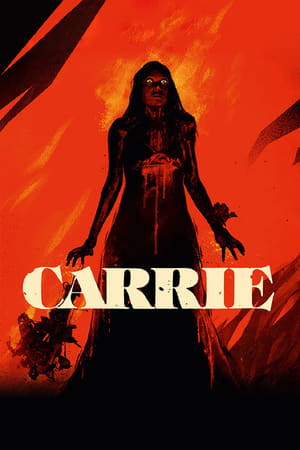
Carrie
Collection 🎬 Collection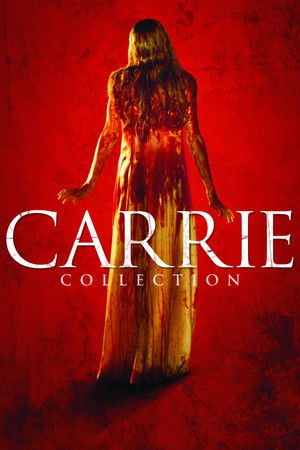
The Carrie collection originates from Stephen King's 1974 debut novel, a landmark work of modern horror that introduced readers to Carrie White, a deeply isolated teenager burdened with extraordinary telekinetic abilities. The story explores the devastating intersection of adolescent vulnerability, systemic bullying, and the suffocating grip of religious extremism, examining how unchecked cruelty and emotional repression can spiral into catastrophic consequences. This potent blend of supernatural terror and sharp social commentary on conformity, peer pressure, and familial dysfunction established the narrative as a timeless exploration of trauma and retribution.
The collection expanded significantly beyond the original novel, beginning with Brian De Palma's acclaimed 1976 film adaptation, which became a defining touchstone of teen horror. Its iconic depiction of a high school prom turned into a scene of apocalyptic destruction has been widely referenced and parodied across popular media, cementing the story's cultural status. The property grew to include a sequel, a 2002 television film, a 2013 theatrical remake, a Broadway musical, and an upcoming television miniseries, each iteration maintaining a focus on psychological dread and the fragility of the human mind under extreme stress.
Culturally, the Carrie collection has left an indelible mark on the horror genre, influencing countless works and establishing Stephen King as a master of modern speculative fiction. Its enduring appeal lies in its ability to blend visceral horror with empathetic character study, making the monstrous emerge from everyday environments. The collection's legacy is defined by its unflinching look at the consequences of abuse and isolation, ensuring its place as a cornerstone of horror media.