🎬 Godzilla vs. Destoroyah (1995)
Part of Godzilla Heisei Era
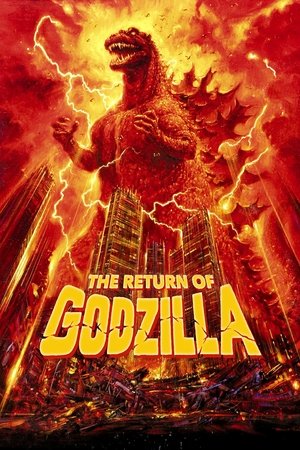
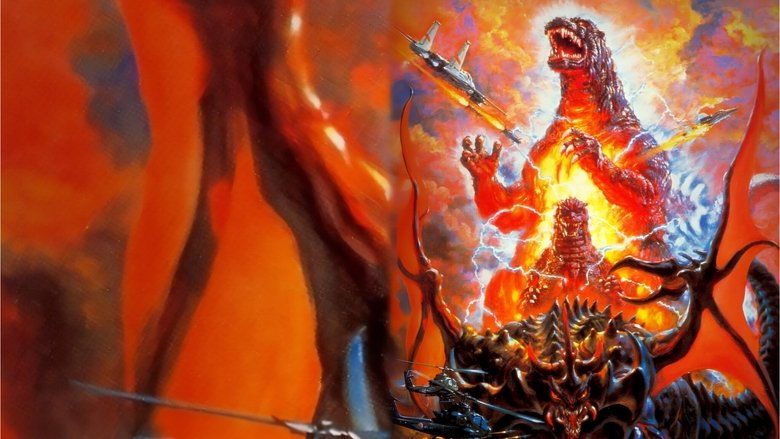
Godzilla vs. Destoroyah serves as the grand, apocalyptic finale to the Heisei era of the Godzilla franchise, bringing the continuous storyline that began with 1984's The Return of Godzilla to a definitive and emotional close. The film is unique for its tragic portrayal of the titular monster, who is not merely a destructive force but a dying creature whose nuclear heart is entering meltdown, threatening to incinerate the entire planet. This internal crisis manifests physically, giving Godzilla a terrifying, glowing-red, steam-venting design that visually communicates his unstable and agonizing state. The plot weaves this impending doom with the emergence of Destoroyah, a colony of Precambrian crustaceans mutated by the Oxygen Destroyer, the very weapon that killed the original 1954 Godzilla, creating a powerful thematic and narrative bookend for the series.
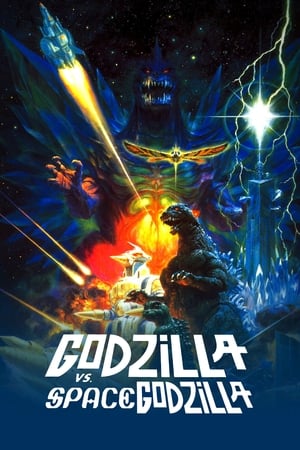
The film is heavily steeped in franchise lore, directly following the events of Godzilla vs. SpaceGodzilla and featuring the adolescent Godzilla Junior, who had been imprinted on as a surrogate son. The bond between the dying Godzilla and Junior provides the film's emotional core, culminating in a heartbreaking scene where the elder Godzilla attempts to revive his fallen offspring. Destoroyah itself is a formidable and genuinely malevolent antagonist, evolving through several grotesque forms before reaching its final, devilish aggregate shape, and it earns its place in the pantheon of great Godzilla foes by killing Junior and brutally wounding Godzilla.
Directed by Takao Okawara with special effects by Kōichi Kawakita, the film is a technical showcase of the Heisei era's blend of suitmation and optical effects. Akira Ifukube's majestic and mournful score, his final complete work for the series, elevates the material to operatic heights, particularly during Godzilla's meltdown sequence, which remains one of the most iconic and emotionally resonant moments in kaiju cinema. The film also features a cameo by Momoko Kōchi, reprising her role as Emiko Yamane from the original 1954 film, further cementing its status as a loving tribute to the franchise's origins.
Upon its release in December 1995, Godzilla vs. Destoroyah was a significant box office success in Japan and was met with critical acclaim for its darker tone, emotional weight, and spectacular special effects. It was heavily marketed around the promise of Godzilla's death, a bold move that paid off by drawing large audiences. The film's legacy is profound; it is frequently cited by fans and critics as one of the best entries in the entire series, a perfect send-off that honors the past while delivering a powerful, standalone story of sacrifice and legacy, paving the way for the franchise's eventual American and Japanese reboots.
The Godzilla Heisei Era is a series of Japanese kaiju films produced by Toho Studios from 1984 to 1995, marking the second major continuity in the long-running Godzilla franchise. Ignoring all previous sequels, it serves as a direct sequel to the original 1954 film, reintroducing Godzilla as a destructive force of nature awakened by modern nuclear activity. This era is characterized by a darker, more serious tone compared to the later Shōwa period, with an emphasis on political commentary, genetic engineering, and the consequences of humanity's scientific hubris. The series establishes a cohesive narrative timeline where each film's events directly influence the next, creating a serialized story arc that follows Godzilla's evolving role from antagonist to reluctant anti-hero. The Heisei films are notable for their advanced special effects, utilizing animatronics and suitmation techniques that pushed the boundaries of practical effects at the time. The series also introduced iconic new monsters such as Biollante, SpaceGodzilla, and Destoroyah, while reimagining classic foes like Mechagodzilla and Mothra. Culturally, the Heisei Era revitalized the Godzilla franchise after a decade-long hiatus, appealing to a new generation of fans and reinforcing Godzilla's status as a global pop culture icon. Its legacy endures through its influence on subsequent Godzilla series and its contribution to the kaiju genre's evolution.