🎬 Children of the Corn III: Urban Harvest (1995)
Part of Children of the Corn
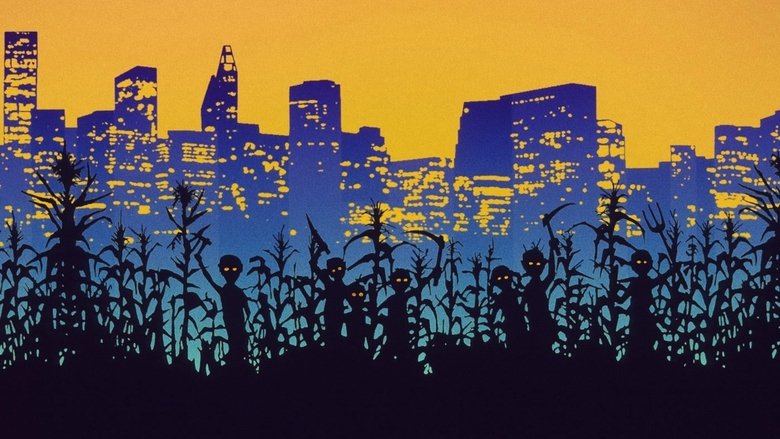
With the third installment, the "Children of the Corn" franchise took a sharp and audacious turn, leaving behind the dusty backroads of Gatlin, Nebraska, for the concrete canyons of Chicago. "Children of the Corn III: Urban Harvest" transplants the rural terror of Stephen King's original short story into an inner-city setting, trading isolated farmhouses for a bustling high school and a foreboding housing project. The film follows two orphaned brothers, Joshua and the eerily devout Eli, who are adopted by a well-meaning couple and brought to the Windy City. But Eli hasn't left the cornfields behind; he carries the malevolent gospel of "He Who Walks Behind the Rows" with him, and soon a new, terrifying crop begins to sprout in the empty lot next to their apartment building, turning a symbol of urban blight into a supernatural killing field.
The film is perhaps best remembered for its wildly ambitious and gruesome practical effects, a significant step up from its predecessors. The centerpiece is a jaw-dropping sequence where the cornfield itself violently overtakes the city block, with monstrous, fleshy tendrils and mutated stalks consuming victims in a spectacular display of body horror. This creative decision to bring the supernatural force into a modern metropolis, rather than keeping it contained to a rural cult, gives the film a distinct identity. It also features the notable big-screen debuts of future stars Charlize Theron, in a small but memorable role as a doomed follower, and Nicholas Brendon, who would soon find fame on "Buffy the Vampire Slayer." The performance of Daniel Cerny as the chillingly calm and manipulative Eli anchors the horror, presenting a child antagonist whose fanaticism is far more unsettling than the simple pitchfork-wielding kids of the first film.
Critically, "Urban Harvest" was met with the typical derision reserved for direct-to-video horror sequels of the era, but it has since cultivated a dedicated cult following. Fans often champion it as the most entertaining and unhinged entry in the entire series, precisely because of its willingness to abandon any pretense of fidelity to King's restrained, atmospheric story. Instead, it fully embraces a gonzo, late-night cable aesthetic, blending slasher tropes with supernatural chaos. The film’s climax, involving a monstrous, stop-motion creature emerging from the corn, has to be seen to be believed, cementing its legacy as a bizarre and bloody time capsule of mid-90s horror that dared to ask: what if the corn came to the city?
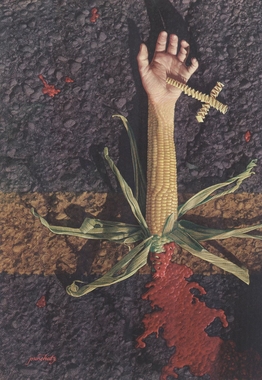
"Children of the Corn" is a horror short story by American author Stephen King, first published in the March 1977 issue of Penthouse magazine. It was later collected in King's 1978 anthology Night Shift. The story is set in the fictional rural town of Gatlin, Nebraska, where all the adults have been murdered by a cult of children who worship a malevolent entity they call "He Who Walks Behind the Rows," which resides in the surrounding cornfields.
The narrative follows Burt and Vicky, a bickering married couple driving cross-country who stumble upon Gatlin and find themselves at the mercy of the murderous children, led by the fanatical boy preacher Isaac and his enforcer Malachi. The story explores themes of religious fanaticism, the corruption of innocence, and the dark underbelly of rural Americana, all set against the claustrophobic and sinister backdrop of endless cornfields.
"Children of the Corn" has become one of King's most enduring and frequently adapted works, spawning a long-running film franchise that began in 1984. The story's central image of sinister children and its unique setting have cemented it as a classic of modern horror fiction, though the original short story is notably bleaker and more contained than many of its cinematic offshoots.
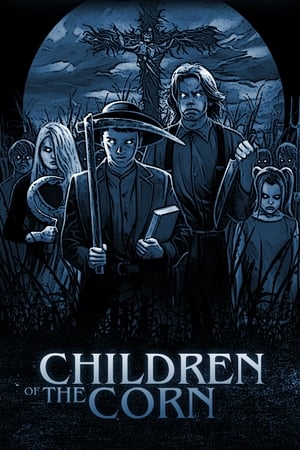
The *Children of the Corn* series is a horror collection rooted in Stephen King's 1977 short story, unfolding primarily in the rural nightmare of Gatlin, Nebraska. The narrative centers on a cult of children who, under the influence of a malevolent entity known as 'He Who Walks Behind the Rows,' murder all the adults in their town and establish a brutal theocracy. The series explores the corruption of innocence, religious fanaticism, and the dark underbelly of the American heartland, transforming pastoral landscapes into arenas of ritualistic sacrifice and primal terror. The iconic imagery of blood-soaked cornfields and cherubic faces twisted by zeal has cemented the collection's place in horror iconography.
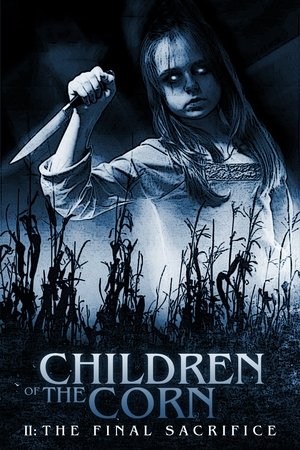
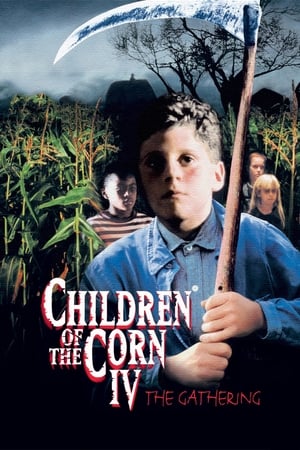
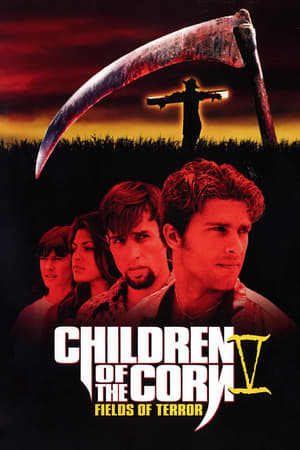
The cinematic journey began with the 1984 theatrical adaptation, a modestly budgeted film that became a sleeper hit and established the core mythology. A single theatrical sequel followed nearly a decade later, but the collection truly proliferated through a string of direct-to-video installments under Dimension Films. Unshackled from strict continuity, these sequels ventured into increasingly bizarre and ambitious territory, from an urban harvest in a Chicago housing project to isolated confrontations with the cult across disparate American settings. This erratic evolution created a uniquely fragmented series where narrative coherence often takes a backseat to nightmarish creativity.
Despite its inconsistencies, the collection has maintained a devoted cult following by persistently exploring potent themes of extremism, the terrifying autonomy of youth, and the decay of agrarian myth. The mythology expanded and contracted across sequels, a television remake, and a later reboot that sought to return to King's original, more intimate dread. Each installment adds another layer to the legend of Gatlin, proving that the collection's power lies not in a single story, but in the enduring, archetypal fear of what might be rustling in the corn.