🎬 Children of the Corn II: The Final Sacrifice (1992)
Part of Children of the Corn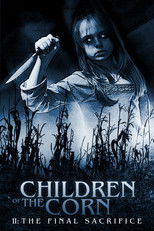
When the original "Children of the Corn" became a surprise horror hit in 1984, a sequel was inevitable, but "Children of the Corn II: The Final Sacrifice" took the franchise in a decidedly pulpier direction. Released in 1992 and marking the directorial debut of David Price, the film abandons Stephen King's claustrophobic, psychological dread in favor of a supernatural slasher spectacle. The story picks up in the neighboring town of Hemingford, where well-meaning locals adopt the surviving children from Gatlin, unaware that the demonic entity "He Who Walks Behind the Rows" has followed them. The film wastes no time escalating the body count, with the possessed youth Micah orchestrating a series of increasingly elaborate and gory deaths that owe more to the "Friday the 13th" playbook than to King's original vision of religious fanaticism.
The sequel introduces a classic horror trope absent from the source material: the outsider journalist. Terence Knox plays John Garrett, a tabloid reporter dragging his estranged son Danny to Nebraska for a sensational story about the Gatlin massacre. This father-son conflict provides the film's emotional core, as their fractured relationship heals amid the chaos of killer children and exploding houses. The dynamic is a clear departure from King's bickering married couple, Burt and Vicky, reframing the generational tension as one between a cynical adult world and the corrupted innocence of childhood. The film also expands the mythology of "He Who Walks Behind the Rows," giving the entity more direct agency through possession, a far cry from the ambiguous, unseen presence that haunted the cornfields of the original short story.
Critically, "The Final Sacrifice" was met with the kind of reception typical of early-90s horror sequels—largely negative, with many critics pointing out its reliance on cheap scares and a nonsensical plot. However, it has since developed a cult following among fans who appreciate its campy excesses and creative kill sequences, including a memorable death by wheelchair down a flight of stairs and a woman crushed by her own house. It was the last film in the series to receive a theatrical release for over three decades, until a 2023 reboot briefly returned the franchise to cinemas. All subsequent sequels went straight to video, making this entry a significant, if schlocky, milestone in the series' evolution from arthouse-adjacent horror to direct-to-DVD staple.
Despite its title, "The Final Sacrifice" was anything but final. The film's ending, which sees the surviving characters driving away as the corn rustles ominously, left the door wide open for the numerous sequels that followed. While it bears almost no resemblance to Stephen King's bleak, tightly wound short story, the film succeeded in transforming a one-off tale of rural terror into a durable, if critically maligned, horror franchise. It stands as a fascinating example of how an adaptation can completely reinvent its source material's tone and intent to chase a different kind of audience, trading literary dread for the visceral thrills of a popcorn slasher.
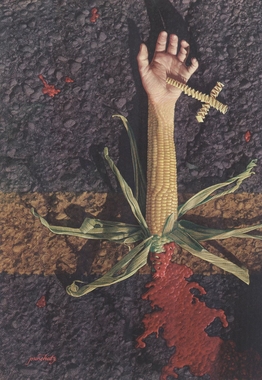
"Children of the Corn" is a horror short story by American author Stephen King, first published in the March 1977 issue of Penthouse magazine. It was later collected in King's 1978 anthology Night Shift. The story is set in the fictional rural town of Gatlin, Nebraska, where all the adults have been murdered by a cult of children who worship a malevolent entity they call "He Who Walks Behind the Rows," which resides in the surrounding cornfields.
The narrative follows Burt and Vicky, a bickering married couple driving cross-country who stumble upon Gatlin and find themselves at the mercy of the murderous children, led by the fanatical boy preacher Isaac and his enforcer Malachi. The story explores themes of religious fanaticism, the corruption of innocence, and the dark underbelly of rural Americana, all set against the claustrophobic and sinister backdrop of endless cornfields.
"Children of the Corn" has become one of King's most enduring and frequently adapted works, spawning a long-running film franchise that began in 1984. The story's central image of sinister children and its unique setting have cemented it as a classic of modern horror fiction, though the original short story is notably bleaker and more contained than many of its cinematic offshoots.
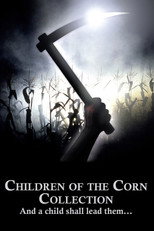
The *Children of the Corn* series is a horror collection rooted in Stephen King's 1977 short story, unfolding primarily in the rural nightmare of Gatlin, Nebraska. The narrative centers on a cult of children who, under the influence of a malevolent entity known as 'He Who Walks Behind the Rows,' murder all the adults in their town and establish a brutal theocracy. The series explores the corruption of innocence, religious fanaticism, and the dark underbelly of the American heartland, transforming pastoral landscapes into arenas of ritualistic sacrifice and primal terror. The iconic imagery of blood-soaked cornfields and cherubic faces twisted by zeal has cemented the collection's place in horror iconography.
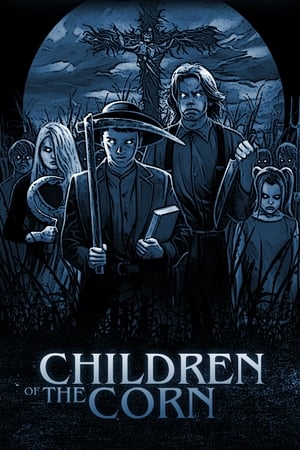
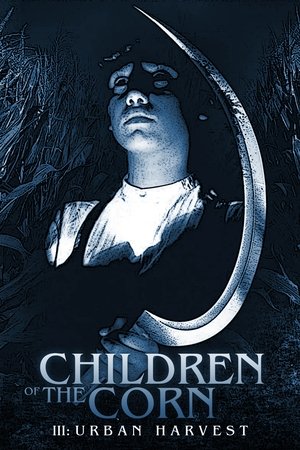
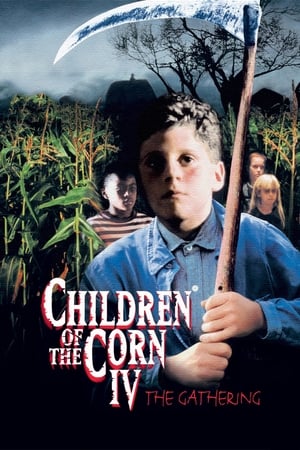
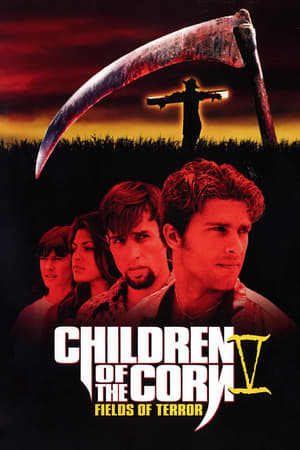
The cinematic journey began with the 1984 theatrical adaptation, a modestly budgeted film that became a sleeper hit and established the core mythology. A single theatrical sequel followed nearly a decade later, but the collection truly proliferated through a string of direct-to-video installments under Dimension Films. Unshackled from strict continuity, these sequels ventured into increasingly bizarre and ambitious territory, from an urban harvest in a Chicago housing project to isolated confrontations with the cult across disparate American settings. This erratic evolution created a uniquely fragmented series where narrative coherence often takes a backseat to nightmarish creativity.
Despite its inconsistencies, the collection has maintained a devoted cult following by persistently exploring potent themes of extremism, the terrifying autonomy of youth, and the decay of agrarian myth. The mythology expanded and contracted across sequels, a television remake, and a later reboot that sought to return to King's original, more intimate dread. Each installment adds another layer to the legend of Gatlin, proving that the collection's power lies not in a single story, but in the enduring, archetypal fear of what might be rustling in the corn.