🎬 Nostos: The Return (1990)
Based on myths/legends
Franco Piavoli’s Nostos: The Return is a lyrical, nearly wordless meditation on Homer’s Odyssey, stripping the epic down to its elemental journey of homecoming. Shot with a painterly eye for natural light and landscapes, the film follows Odysseus as he traverses a timeless Mediterranean world, confronting both external obstacles and inner shadows. Dialogue is minimal and spoken in an invented language, forcing the audience to engage almost entirely through image and sound.
Rather than a literal retelling, Piavoli creates a sensory experience that captures the epic’s underlying rhythms—the exhaustion of wandering, the pull of memory, and the slow reclamation of self. The film’s deliberate pacing and emphasis on nature align it with a tradition of cinematic poetry, where the physical journey serves as metaphor for spiritual return. This approach places Nostos: The Return in a lineage of Homeric adaptations that seek not to recount the plot but to evoke its atmosphere and emotional core.

The Odyssey is one of two major epic poems attributed to the ancient Greek poet Homer. Composed in the 8th or 7th century BC, it is a cornerstone of Western literature and one of the oldest surviving works of literary art. The poem is divided into 24 books and follows the Greek hero Odysseus (known as Ulysses in Latin) on his arduous ten-year journey home to Ithaca after the Trojan War. Along the way, he encounters mythical creatures, divine interventions, and numerous trials, while his wife Penelope and son Telemachus fend off suitors vying for his throne.
The epic explores themes of nostos (homecoming), xenia (hospitality), loyalty, cunning, and the relationship between mortals and gods. Odysseus's intelligence and resourcefulness, epitomized by his trick of the Trojan Horse, are central to his character. The poem's structure, with its non-linear narrative and use of flashbacks, has influenced storytelling for millennia.
The Odyssey was originally composed in Homeric Greek and transmitted orally before being written down. It became a foundational text of the Greek literary canon by the 6th century BC and has been translated into countless languages. Its characters, episodes, and phrases have permeated global culture, from the Sirens and Cyclops to the term "odyssey" itself, which now denotes any long, eventful journey.
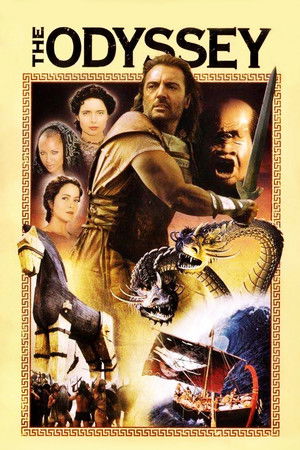
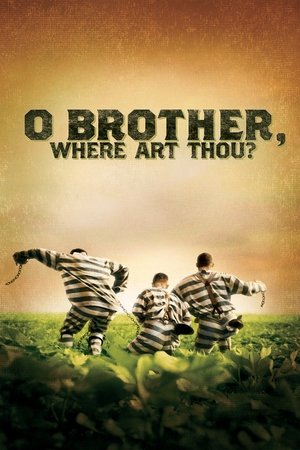
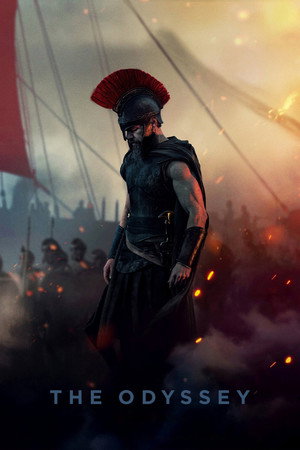
The poem's enduring legacy includes countless adaptations in literature, theater, film, television, and other media. It has inspired works ranging from James Joyce's Ulysses to modern films and video games, cementing its status as a timeless tale of adventure and the human spirit.