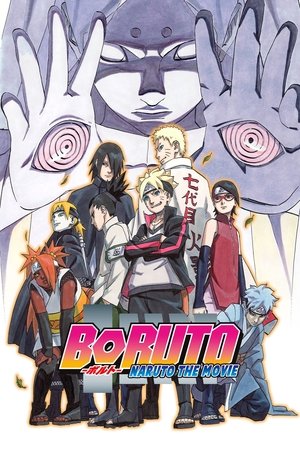
A continuation that dares to step out from the shadow of a generational titan, *Boruto: Naruto Next Generations* explores the complex legacy of heroism in a world that has finally found peace. Picking up years after the Fourth Great Ninja War, the story shifts focus to Naruto Uzumaki’s son, Boruto, a prodigy chafing against the quiet, bureaucratic life his father now leads as the Seventh Hokage. The manga masterfully inverts the original series’ premise: where Naruto was a starving orphan fighting for recognition, Boruto is a gifted child with a loving family who resents the village for stealing his father’s time. This generational friction serves as the emotional core, examining how the children of legends grapple with expectations, privilege, and the creeping realization that the peaceful era they inherited lacks the clear-cut purpose their parents found in war.
The narrative quickly transcends mere domestic drama by introducing a chilling, existential threat through the Ōtsutsuki clan and the mysterious Kāma seals, which bind Boruto to the rogue ninja Kawaki. This relationship becomes the manga’s dark, propulsive heart—a brotherhood forged in shared trauma and parasitic power that mirrors the legendary rivalry of Naruto and Sasuke while carving its own tragic path. The series cleverly uses technological advancement, embodied in the Scientific Ninja Tools, as a thematic counterweight to traditional chakra, questioning whether the soul of the shinobi can survive in an age of convenience and cybernetic enhancement. The flash-forward prologue, showing a ruined Konoha and a battle-scarred Boruto declaring the age of shinobi is over, casts a long, ominous shadow over every small victory, promising a catastrophe that feels both inevitable and deeply personal.
As a source material, *Boruto* carries the immense weight of one of the most beloved franchises in manga history, and its cultural impact lies in its risky, often controversial, narrative choices. It deliberately deconstructs the happy ending of *Naruto*, suggesting that peace is not a permanent state but a fragile, ongoing project vulnerable to threats from beyond the stars and resentments bred within. This darker, more science-fiction-tinged saga has sparked passionate debate among fans, making it a vital, living text in the ongoing conversation about legacy, sequel storytelling, and whether the next generation can ever truly escape the cycle their parents fought so hard to end.