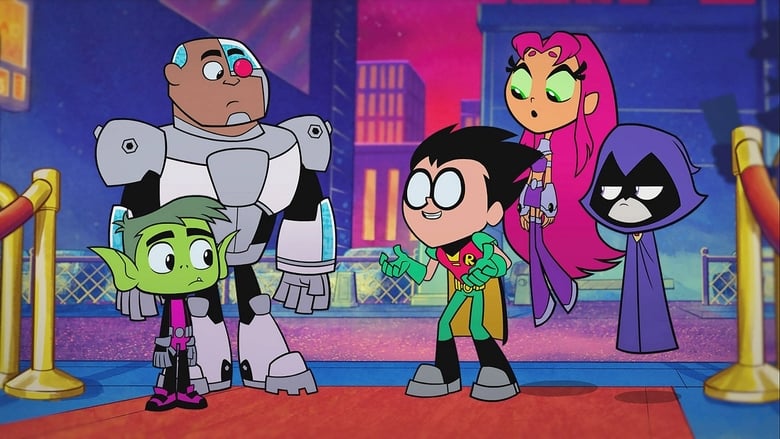
🎬 Teen Titans Go! To the Movies (2018)
Part of Teen Titans
Teen Titans Go! To the Movies is a 2018 animated superhero comedy that serves as a theatrical spin-off of the Cartoon Network series Teen Titans Go!, which is itself a comedic reimagining of the classic Teen Titans animated series and the original DC Comics team. The film takes the self-aware, fourth-wall-breaking humor of the show and amplifies it for the big screen, following Robin, Starfire, Raven, Beast Boy, and Cyborg as they travel to Hollywood with the singular goal of getting their own superhero movie. The plot cleverly satirizes the modern superhero film boom, with the Titans discovering that the only thing standing between them and cinematic glory is the lack of a proper arch-nemesis.
The film is a fascinating entry in the Teen Titans franchise because it operates on multiple levels of adaptation. It is directly based on the Teen Titans Go! television series, featuring the same voice cast and absurdist comedic tone, but its roots stretch back to the original DC Comics created by Bob Haney and Bruno Premiani in 1964. The movie gleefully acknowledges this tangled lineage, including a time-travel sequence where the chibi-style Titans meet their more serious counterparts from the original 2003 Teen Titans animated series, creating a meta-commentary on how the property has evolved. Will Arnett voices the villain Slade, a parody of the traditionally menacing Deathstroke, and the film is packed with cameos from across the DC universe.
Despite being a comedy, the film carries a surprising amount of heart, centering on Robin's deep-seated need for validation and his fear of being seen as nothing more than a sidekick. This emotional core is lifted directly from decades of Teen Titans storytelling, where the struggle for independence and respect is a central theme. The movie was a modest box office success and received generally positive reviews for its sharp writing and willingness to poke fun at the very genre it inhabits, proving that even the silliest corner of a franchise can deliver a story with genuine stakes and laughs.

The Teen Titans are a superhero team appearing in American comic books published by DC Comics. Created by writer Bob Haney and artist Bruno Premiani, the team first appeared in The Brave and the Bold #54 in 1964. The original lineup consisted of Kid Flash (Wally West), Robin (Dick Grayson), and Aqualad (Garth), with Wonder Girl (Donna Troy) joining shortly after, leading to the team adopting the name Teen Titans in issue #60. Over the decades, the team has undergone numerous revivals and roster changes, becoming one of DC's most enduring and popular superhero teams.
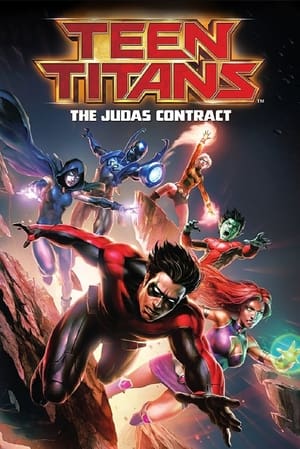
The series gained significant critical and commercial success in the 1980s with The New Teen Titans, written by Marv Wolfman and illustrated by George Pérez. This run introduced iconic characters such as Cyborg, Starfire, Raven, and Beast Boy (as Changeling), and featured acclaimed storylines like 'The Judas Contract.' The Teen Titans have been a staple of DC Comics, exploring themes of youth, legacy, and found family, and have inspired various media adaptations across animation, film, and television.
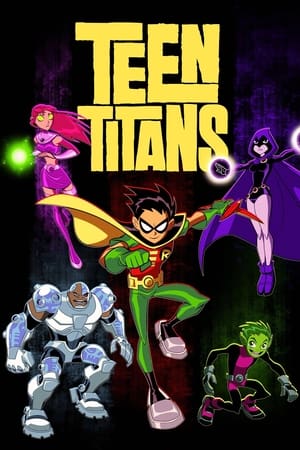
The Teen Titans animated collection encompasses a range of television series and films adapted from the DC Comics superhero team of the same name. Originating with the 2003 animated series, this grouping explores the adventures of young heroes—primarily Robin, Starfire, Cyborg, Beast Boy, and Raven—as they balance crime-fighting with the challenges of adolescence. The collection is notable for its stylistic diversity, moving from the anime-influenced action and character-driven drama of the original series to the irreverent, comedic tone of its successor, reflecting the source material's own history of tonal shifts across comic book eras. Across its entries, the collection examines the team's dynamic as a found family, tackling themes of identity, independence, and the transition from sidekick to self-sufficient hero. The animated works have introduced the Titans to a broad audience, cementing their place in superhero media beyond the printed page.
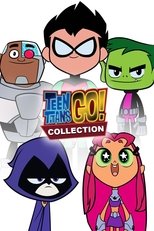
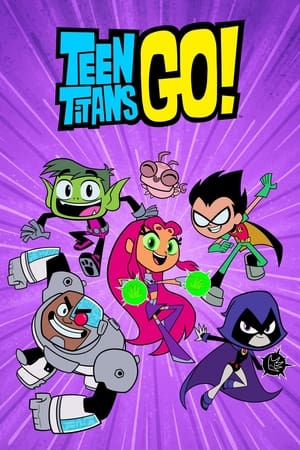
Teen Titans Go! is an American animated television series that serves as a comedic spin-off of the earlier Teen Titans series. It features the same core team of young superheroes—Robin, Starfire, Raven, Beast Boy, and Cyborg—but reimagines them in a lighthearted, irreverent style that emphasizes humor and slice-of-life antics over traditional superhero action. The show retains the original voice cast, which adds a layer of nostalgic continuity for fans of the 2003 series while embracing a distinctly modern, self-aware tone. This collection of related media includes the core series, several feature-length films, and crossover specials that expand its playful take on the DC universe.
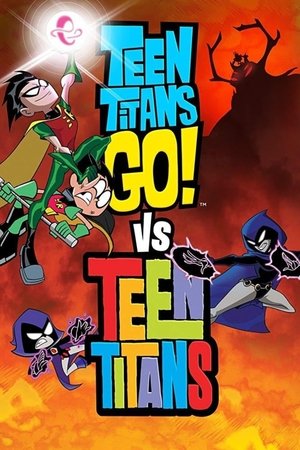
The series is known for its rapid-fire jokes, meta-humor, and willingness to parody superhero conventions and pop culture. It often breaks the fourth wall and incorporates exaggerated versions of the characters' personalities, such as Beast Boy and Cyborg's bromance or Robin's obsessive need for leadership. This approach has given it a unique identity within the broader DC animated landscape, and the films extend this sensibility into longer narratives. For example, Teen Titans Go! To the Movies (2018) brought the show's self-referential comedy to the big screen, while crossover events like Teen Titans Go! vs. Teen Titans (2019) directly engage with the legacy of the original, more serious series.
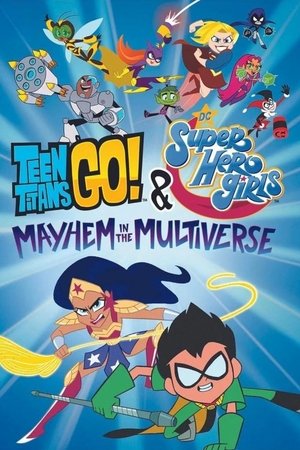
Since its debut, Teen Titans Go! has become a fixture on Cartoon Network, spawning a large number of episodes and multiple specials. Its popularity among younger audiences and its ability to generate viral moments have made it a significant part of modern children's animation. Despite initial mixed reactions from fans of the original series, the show has carved out a loyal following and has been praised for its clever writing and comedic energy. The films and specials have allowed the property to explore different formats and crossovers, such as Teen Titans Go! See Space Jam (2021), which parodies the classic live-action/animation hybrid, and Teen Titans Go! & DC Super Hero Girls: Mayhem in the Multiverse (2022), a team-up that bridges two contemporary DC animated comedies.
The collection's cultural impact extends beyond the screen, with merchandise, video games, and crossover events that connect it to other DC properties. Its sustained success highlights a broader trend in animation toward rebooting legacy characters with a comedic twist, and it remains a notable example of how a property can evolve to appeal to a new generation while maintaining a connection to its roots. The grouping stands as a cohesive comedic universe that, while primarily rooted in television, has successfully branched into films and specials that reinforce its signature style.