📺 Teen Titans (2003)
Part of Teen Titans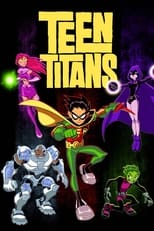
The 2003 "Teen Titans" animated series, developed by Glen Murakami, took the core concept of DC's young superhero team and filtered it through a vibrant, anime-inspired lens that was a radical departure from the darker, more melodramatic comics of the 1980s. While the source material, particularly Marv Wolfman and George Pérez's seminal run, was known for its mature, soap-opera storytelling, the cartoon boldly embraced a split personality. It juxtaposed high-energy, comedic action sequences rendered with chibi-style exaggeration against surprisingly poignant character studies and long-form serialized arcs. The core lineup of Robin, Cyborg, Starfire, Raven, and Beast Boy was pulled directly from the most popular era of the comics, but their personalities were sharpened into distinct, archetypal roles that made the team dynamic instantly legible and endlessly entertaining for a new generation.
The series made a significant and controversial change by completely omitting the sidekick origins that defined the team in the comics. There is no Batman, no Justice League, and no mentors looming in the background; this Robin is a lone, obsessive leader whose past is only hinted at, freeing the characters from their legacy shadows. The most celebrated adaptation choice was the handling of Raven, whose apocalyptic destiny as the portal for her demonic father, Trigon, was adapted into a season-long, dread-soaked arc that stands as the series' high point. The show also introduced a vast rogue's gallery, turning Slade Wilson (Deathstroke) from a mere mercenary into a terrifying, shadowy mastermind who served as the team's primary psychological tormentor, a narrative choice that gave the series a persistent, menacing throughline.
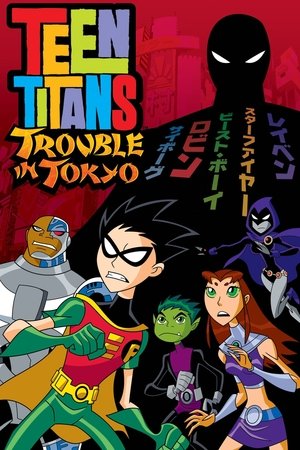
Premiering on Cartoon Network in 2003, the show was an immediate hit, its popularity fueled by a catchy J-pop-inspired theme song by Puffy AmiYumi and a bold visual style that stood out from other American action cartoons of the era. The decision to not reveal the characters' secret identities or civilian lives was a deliberate creative choice by Murakami, who wanted the focus to remain entirely on the team as a family unit living in their iconic T-shaped tower. This approach allowed the series to explore themes of friendship, loneliness, and self-acceptance without the narrative crutch of a secret identity drama, culminating in the feature-length finale "Trouble in Tokyo," which finally gave the team a standalone adventure that leaned fully into its anime influences.
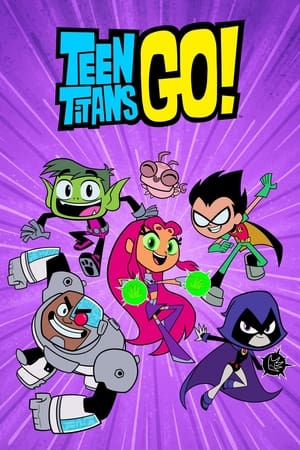
The show's legacy is unique, as its massive success directly spawned the comedic spin-off "Teen Titans Go!" in 2013, which repurposed the same character designs and voice cast for a purely comedic, meta-textual series that became a cultural phenomenon in its own right. While some fans of the original series lamented the shift away from serialized action, the 2003 "Teen Titans" remains a beloved touchstone, praised for proving that a superhero cartoon could be simultaneously silly and profound, crafting an emotionally resonant story about found family that honored the spirit of the comics while forging a completely distinct identity.

The Teen Titans are a superhero team appearing in American comic books published by DC Comics. Created by writer Bob Haney and artist Bruno Premiani, the team first appeared in The Brave and the Bold #54 in 1964. The original lineup consisted of Kid Flash (Wally West), Robin (Dick Grayson), and Aqualad (Garth), with Wonder Girl (Donna Troy) joining shortly after, leading to the team adopting the name Teen Titans in issue #60. Over the decades, the team has undergone numerous revivals and roster changes, becoming one of DC's most enduring and popular superhero teams.
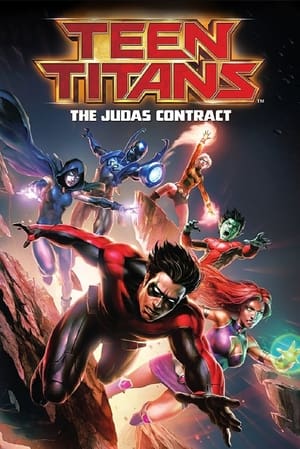
The series gained significant critical and commercial success in the 1980s with The New Teen Titans, written by Marv Wolfman and illustrated by George Pérez. This run introduced iconic characters such as Cyborg, Starfire, Raven, and Beast Boy (as Changeling), and featured acclaimed storylines like 'The Judas Contract.' The Teen Titans have been a staple of DC Comics, exploring themes of youth, legacy, and found family, and have inspired various media adaptations across animation, film, and television.
The Teen Titans animated collection encompasses a range of television series and films adapted from the DC Comics superhero team of the same name. Originating with the 2003 animated series, this grouping explores the adventures of young heroes—primarily Robin, Starfire, Cyborg, Beast Boy, and Raven—as they balance crime-fighting with the challenges of adolescence. The collection is notable for its stylistic diversity, moving from the anime-influenced action and character-driven drama of the original series to the irreverent, comedic tone of its successor, reflecting the source material's own history of tonal shifts across comic book eras. Across its entries, the collection examines the team's dynamic as a found family, tackling themes of identity, independence, and the transition from sidekick to self-sufficient hero. The animated works have introduced the Titans to a broad audience, cementing their place in superhero media beyond the printed page.
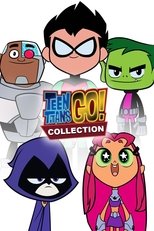
Teen Titans Go! is an American animated television series that serves as a comedic spin-off of the earlier Teen Titans series. It features the same core team of young superheroes—Robin, Starfire, Raven, Beast Boy, and Cyborg—but reimagines them in a lighthearted, irreverent style that emphasizes humor and slice-of-life antics over traditional superhero action. The show retains the original voice cast, which adds a layer of nostalgic continuity for fans of the 2003 series while embracing a distinctly modern, self-aware tone. This collection of related media includes the core series, several feature-length films, and crossover specials that expand its playful take on the DC universe.
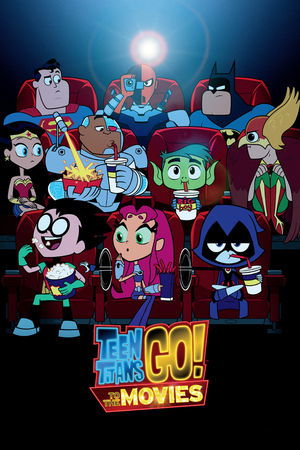
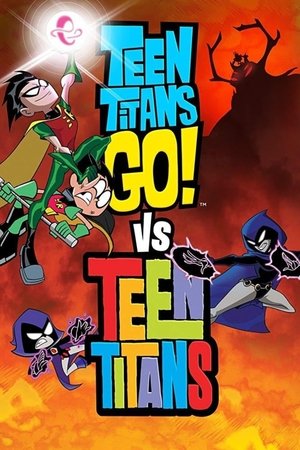
The series is known for its rapid-fire jokes, meta-humor, and willingness to parody superhero conventions and pop culture. It often breaks the fourth wall and incorporates exaggerated versions of the characters' personalities, such as Beast Boy and Cyborg's bromance or Robin's obsessive need for leadership. This approach has given it a unique identity within the broader DC animated landscape, and the films extend this sensibility into longer narratives. For example, Teen Titans Go! To the Movies (2018) brought the show's self-referential comedy to the big screen, while crossover events like Teen Titans Go! vs. Teen Titans (2019) directly engage with the legacy of the original, more serious series.
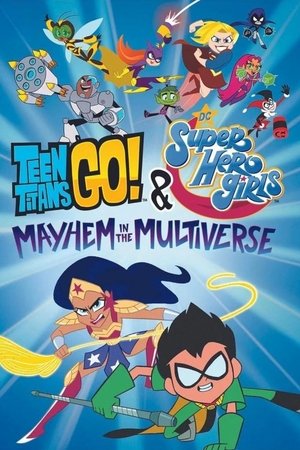
Since its debut, Teen Titans Go! has become a fixture on Cartoon Network, spawning a large number of episodes and multiple specials. Its popularity among younger audiences and its ability to generate viral moments have made it a significant part of modern children's animation. Despite initial mixed reactions from fans of the original series, the show has carved out a loyal following and has been praised for its clever writing and comedic energy. The films and specials have allowed the property to explore different formats and crossovers, such as Teen Titans Go! See Space Jam (2021), which parodies the classic live-action/animation hybrid, and Teen Titans Go! & DC Super Hero Girls: Mayhem in the Multiverse (2022), a team-up that bridges two contemporary DC animated comedies.
The collection's cultural impact extends beyond the screen, with merchandise, video games, and crossover events that connect it to other DC properties. Its sustained success highlights a broader trend in animation toward rebooting legacy characters with a comedic twist, and it remains a notable example of how a property can evolve to appeal to a new generation while maintaining a connection to its roots. The grouping stands as a cohesive comedic universe that, while primarily rooted in television, has successfully branched into films and specials that reinforce its signature style.