🎬 Teen Titans Go! See Space Jam (2021)
Part of Teen Titans
Teen Titans Go! See Space Jam is a 2021 animated television film that brings together the irreverent, comedy-focused world of Teen Titans Go! with the 1996 live-action/animation hybrid film Space Jam. Directed by Peter Rida Michail, the film features the Teen Titans — Robin, Cyborg, Starfire, Raven, and Beast Boy — hosting a watch party for the classic Space Jam, complete with wisecracks and on-screen doodles in a Mystery Science Theater 3000-style format. The Nerdlucks, the iconic alien villains from Space Jam, visit Titans Tower, and Cyborg is astonished to learn his fellow Titans have never seen the movie.
The film is part of the Teen Titans Go! Collection, a series of animated movies spun off from the long-running Cartoon Network series Teen Titans Go! (2013–present), which itself is a comedic reimagining of the 2003 Teen Titans animated series. Both shows trace their roots back to the original Teen Titans comic book created by Bob Haney and Bruno Premiani, which debuted in 1964. While the original comics were action-driven dramas about teenage superheroes, the Go! franchise leans heavily into absurdist humor and meta-commentary.
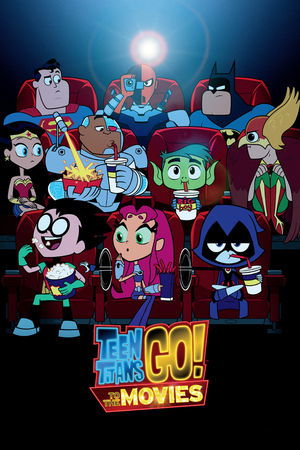
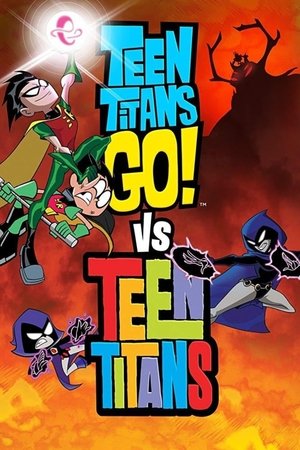
As the third film in the Teen Titans Go! movie series — following Teen Titans Go! To the Movies (2018) and Teen Titans Go! vs. Teen Titans (2019) — See Space Jam served as a promotional tie-in released ahead of Space Jam: A New Legacy in 2021. It premiered on Cartoon Network on June 20, 2021, and was released digitally on July 27, 2021. The film exemplifies the franchise's playful approach to crossovers, blending DC Comics characters with pop culture nostalgia in a way that appeals to both young audiences and longtime fans.

The Teen Titans are a superhero team appearing in American comic books published by DC Comics. Created by writer Bob Haney and artist Bruno Premiani, the team first appeared in The Brave and the Bold #54 in 1964. The original lineup consisted of Kid Flash (Wally West), Robin (Dick Grayson), and Aqualad (Garth), with Wonder Girl (Donna Troy) joining shortly after, leading to the team adopting the name Teen Titans in issue #60. Over the decades, the team has undergone numerous revivals and roster changes, becoming one of DC's most enduring and popular superhero teams.
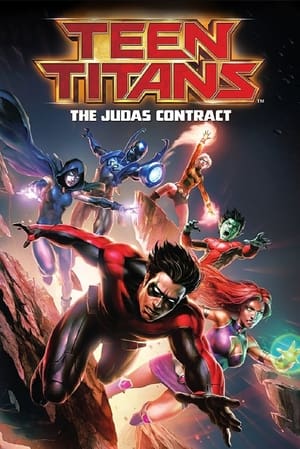
The series gained significant critical and commercial success in the 1980s with The New Teen Titans, written by Marv Wolfman and illustrated by George Pérez. This run introduced iconic characters such as Cyborg, Starfire, Raven, and Beast Boy (as Changeling), and featured acclaimed storylines like 'The Judas Contract.' The Teen Titans have been a staple of DC Comics, exploring themes of youth, legacy, and found family, and have inspired various media adaptations across animation, film, and television.
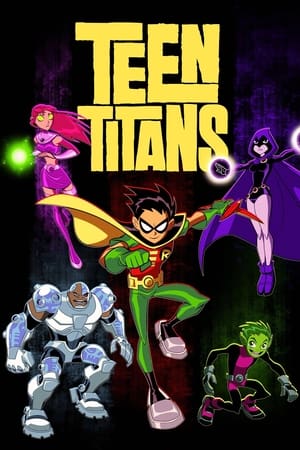
The Teen Titans animated collection encompasses a range of television series and films adapted from the DC Comics superhero team of the same name. Originating with the 2003 animated series, this grouping explores the adventures of young heroes—primarily Robin, Starfire, Cyborg, Beast Boy, and Raven—as they balance crime-fighting with the challenges of adolescence. The collection is notable for its stylistic diversity, moving from the anime-influenced action and character-driven drama of the original series to the irreverent, comedic tone of its successor, reflecting the source material's own history of tonal shifts across comic book eras. Across its entries, the collection examines the team's dynamic as a found family, tackling themes of identity, independence, and the transition from sidekick to self-sufficient hero. The animated works have introduced the Titans to a broad audience, cementing their place in superhero media beyond the printed page.
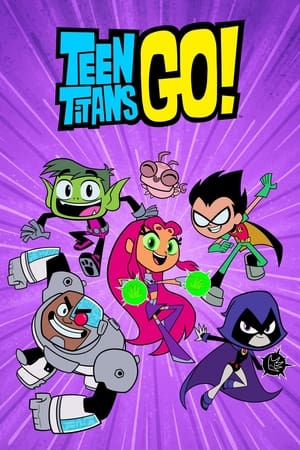
Teen Titans Go! is an American animated television series that serves as a comedic spin-off of the earlier Teen Titans series. It features the same core team of young superheroes—Robin, Starfire, Raven, Beast Boy, and Cyborg—but reimagines them in a lighthearted, irreverent style that emphasizes humor and slice-of-life antics over traditional superhero action. The show retains the original voice cast, which adds a layer of nostalgic continuity for fans of the 2003 series while embracing a distinctly modern, self-aware tone. This collection of related media includes the core series, several feature-length films, and crossover specials that expand its playful take on the DC universe.
The series is known for its rapid-fire jokes, meta-humor, and willingness to parody superhero conventions and pop culture. It often breaks the fourth wall and incorporates exaggerated versions of the characters' personalities, such as Beast Boy and Cyborg's bromance or Robin's obsessive need for leadership. This approach has given it a unique identity within the broader DC animated landscape, and the films extend this sensibility into longer narratives. For example, Teen Titans Go! To the Movies (2018) brought the show's self-referential comedy to the big screen, while crossover events like Teen Titans Go! vs. Teen Titans (2019) directly engage with the legacy of the original, more serious series.
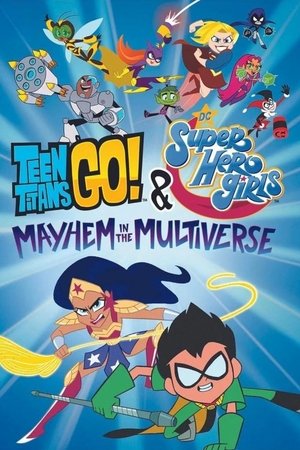
Since its debut, Teen Titans Go! has become a fixture on Cartoon Network, spawning a large number of episodes and multiple specials. Its popularity among younger audiences and its ability to generate viral moments have made it a significant part of modern children's animation. Despite initial mixed reactions from fans of the original series, the show has carved out a loyal following and has been praised for its clever writing and comedic energy. The films and specials have allowed the property to explore different formats and crossovers, such as Teen Titans Go! See Space Jam (2021), which parodies the classic live-action/animation hybrid, and Teen Titans Go! & DC Super Hero Girls: Mayhem in the Multiverse (2022), a team-up that bridges two contemporary DC animated comedies.
The collection's cultural impact extends beyond the screen, with merchandise, video games, and crossover events that connect it to other DC properties. Its sustained success highlights a broader trend in animation toward rebooting legacy characters with a comedic twist, and it remains a notable example of how a property can evolve to appeal to a new generation while maintaining a connection to its roots. The grouping stands as a cohesive comedic universe that, while primarily rooted in television, has successfully branched into films and specials that reinforce its signature style.