🎬 Fullmetal Alchemist (2017)
Part of Fullmetal Alchemist (Live-Action)
Fumihiko Sori’s 2017 live-action adaptation of Hiromu Arakawa’s beloved manga was an ambitious undertaking that attempted to compress the sprawling epic into a single, digestible film. The movie primarily adapts the narrative from the first four volumes, hitting the iconic early beats: the brothers’ tragic attempt at human transmutation, Edward’s induction as a State Alchemist, and the initial encounters with figures like the corrupt Shou Tucker. To achieve this, the film relies heavily on a breakneck pace, condensing character introductions and emotional arcs to fit a two-hour runtime. This results in a story that feels more like a highlight reel of the manga's most famous moments rather than a deeply immersive re-telling, a necessary compromise that became a central point of discussion among fans.
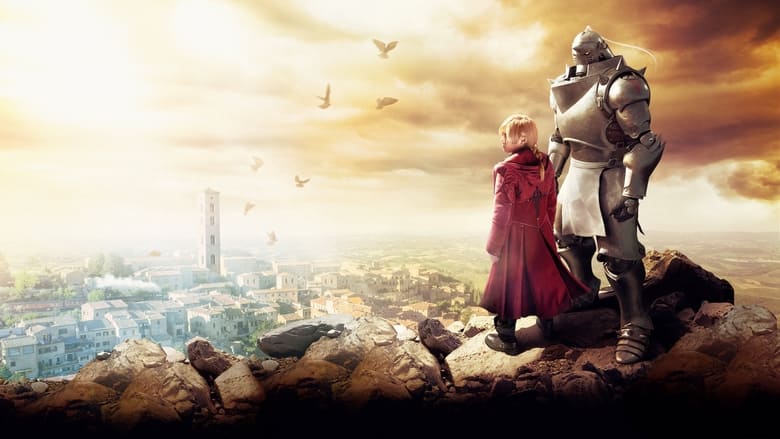
The film’s most striking feature is its extensive use of CGI to bring the alchemical world to life, most notably in the fully computer-generated character of Alphonse Elric. While the visual effects team worked diligently to capture the intricate transmutation circles and the imposing scale of the armored giant, the results were met with a mixed response. The visual style, particularly for the homunculi glimpsed in the film, leaned into a glossy, video-game-like aesthetic that contrasted sharply with the grounded, early-20th-century European setting. Ryosuke Yamada’s performance as Edward captured the character’s fiery determination, though the necessity to truncate the plot meant that the philosophical depth and the slow-burn brotherly bond, so central to the source material, were often sidelined in favor of action set pieces.
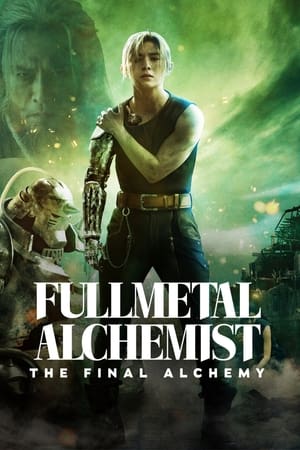
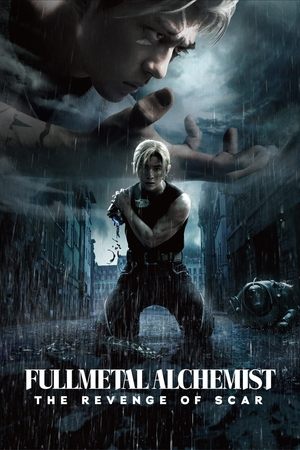
Upon its release in Japan on December 1, 2017, the film faced a challenging reception, particularly from the international fanbase that holds both the manga and the Brotherhood anime in extremely high regard. Critics and audiences often pointed to the narrative’s rushed pacing and the uncanny valley effect of some CGI elements as significant drawbacks. Despite this, the film was not a standalone experiment; it was conceived as the first part of a larger project. This was confirmed years later when Netflix globally distributed two direct sequels in 2022, The Revenge of Scar and The Final Alchemy, which allowed the story to continue and adapt the more complex and darker arcs involving the Ishvalan conflict and the homunculi’s grand conspiracy, giving the initial film a new context as a foundational, albeit rocky, first chapter.

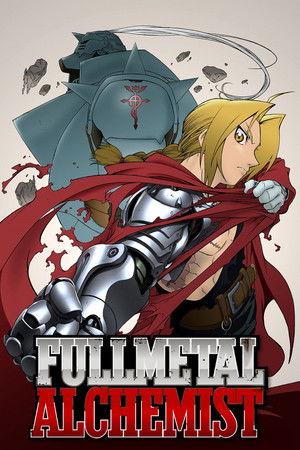
Fullmetal Alchemist is a Japanese manga series written and illustrated by Hiromu Arakawa. It was serialized in Square Enix's Monthly Shōnen Gangan magazine from July 2001 to June 2010, spanning 27 tankōbon volumes. The story is set in a fictional early 20th-century world where alchemy is a widely practiced and scientifically governed art. It follows the Elric brothers, Edward and Alphonse, who commit the ultimate taboo of human transmutation in an attempt to resurrect their deceased mother, resulting in Edward losing an arm and a leg and Alphonse's soul being bound to a suit of armor. Their journey to find the legendary Philosopher's Stone to restore their bodies becomes a sprawling epic that explores themes of sacrifice, war, morality, and the consequences of playing god.
The manga is renowned for its intricate plot, well-developed characters, and a unique magic system based on the principle of Equivalent Exchange. Arakawa's work masterfully blends action, comedy, and deep philosophical questions, earning widespread critical acclaim. It became one of the best-selling manga series of all time, with over 80 million copies in circulation worldwide, and is considered a modern classic of the shōnen genre.
Its immense popularity led to a massive media franchise, most notably two distinct anime television series: a 2003 adaptation that diverged into an original storyline, and the 2009 series Fullmetal Alchemist: Brotherhood, which follows the manga's narrative more faithfully. The franchise also includes animated films, original video animations, light novels, and video games, cementing its status as a global cultural phenomenon.

The Fullmetal Alchemist live-action film series translates Hiromu Arakawa's acclaimed manga into a cinematic trilogy, reimagining the Elric brothers' quest across three feature-length installments. Rooted in the dark fantasy world of Amestris, where alchemy is both science and weapon, the films follow Edward and Alphonse after a forbidden ritual to resurrect their mother leaves them physically broken. The central law of Equivalent Exchange—requiring something of equal value for anything gained—anchors a narrative that explores the scars of war, the hubris of science, and the unbreakable bond between siblings. This trilogy condenses and reframes the sprawling original story, taking creative liberties to fit the feature format while preserving the devastating emotional stakes that define the brothers' journey.\n\nThe series unfolds across three films, beginning with the 2017 origin story and continuing with two 2022 sequels that deepen the conflict. The narrative expands to introduce the vengeful Scar and the homunculi, servants of a shadowy state conspiracy, while escalating the philosophical and physical battles the Elrics face. By blending practical effects with stylized visual effects, the films strive to capture the kinetic energy of alchemical combat and ground the characters' turmoil in a tangible world. The adaptation reinterprets iconic sequences, functioning both as a tribute for longtime fans and a standalone entry point into the saga's core themes of sacrifice, penance, and the hope that drives humanity to transcend its limitations.\n\nAs a modern reinterpretation of a beloved legacy, this trilogy stands at the intersection of Japanese blockbuster filmmaking and the enduring global appeal of its source material. It grapples with the challenge of translating animation's expressive freedom into the weight of live performers, offering a distinct texture to familiar characters and their moral dilemmas. The films do not merely replicate the anime or manga but engage with the same questions about the soul, the body, and the price of power from a new perspective, extending the property's cultural footprint into a medium that demands its own brand of alchemy.