🎬 Demon Slayer: Kimetsu no Yaiba Infinity Castle (2025)
Part of Demon Slayer: Kimetsu no Yaiba
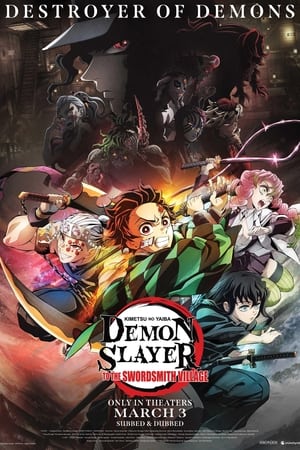
Demon Slayer: Kimetsu no Yaiba – The Movie: Infinity Castle marks a monumental shift in how the franchise approaches its climactic saga. Unlike the compilation films that preceded it, which largely re-edited television episodes for the big screen, this 2025 release is a fully original cinematic production that directly continues the story from the anime's fourth season. The decision to adapt the sprawling Infinity Castle arc as a theatrical trilogy rather than a television season was a bold creative choice, allowing Ufotable to channel an unprecedented level of animation detail and dramatic pacing into the Demon Slayer Corps' final assault on Muzan Kibutsuji's labyrinthine fortress.
The film plunges viewers into the disorienting, ever-shifting geometry of the Infinity Castle itself, a setting that the manga depicted with surreal, M.C. Escher-like complexity. Translating this to animation allowed for breathtaking, continuous-action sequences where characters fall through trapdoors into new battlefields, seamlessly transitioning between the desperate fights of multiple Hashira against the remaining Upper Rank demons. The adaptation compresses and intercuts these simultaneous confrontations, creating a relentless momentum that distinguishes it from the source material's more segmented chapter structure. This restructuring was praised for maintaining narrative clarity while amplifying the arc's overwhelming sense of scale and desperation.
Upon release, Infinity Castle shattered expectations, becoming a global box office phenomenon and the highest-grossing film of the franchise. Its success was not merely commercial; critics lauded the film for its emotional weight and technical virtuosity, particularly in its depiction of the deeply personal stakes for characters like Shinobu Kocho and the demon Doma. The film's R-rating, a first for the series' theatrical releases, allowed for a more visceral and unflinching portrayal of the arc's brutal cost, honoring the manga's darker tonal shift in its final act. This fidelity to the source material's intensity, combined with Ufotable's renowned fusion of 2D and 3D animation, cemented the film as a landmark in anime cinema.

Demon Slayer: Kimetsu no Yaiba is a Japanese manga series written and illustrated by Koyoharu Gotouge. It was serialized in Shueisha's Weekly Shōnen Jump magazine from February 2016 to May 2020, with its 207 chapters collected into 23 tankōbon volumes. The story is set in Taisho-era Japan and follows Tanjiro Kamado, a kind-hearted boy who becomes a demon slayer after his family is slaughtered by a demon and his younger sister Nezuko is transformed into a demon herself. Determined to find a cure for his sister and avenge his family, Tanjiro joins the Demon Slayer Corps, an ancient organization dedicated to protecting humanity from demons.
The series became a global phenomenon, praised for its emotional storytelling, dynamic character development, and stunning visual artistry. By 2025, the manga had sold over 220 million copies worldwide (including digital copies), making it one of the best-selling manga series of all time. It won numerous awards, including the Special Prize at the 25th Tezuka Osamu Cultural Prize in 2021, and has spawned a massive multimedia franchise spanning anime, films, video games, and stage productions.
The manga is particularly known for its intricate fight choreography, the unique "Breathing Styles" techniques used by demon slayers, and its exploration of themes such as family bonds, perseverance in the face of tragedy, and the thin line between humanity and monstrosity. Gotouge's art style evolved significantly over the series' run, with the later chapters showcasing increasingly detailed and dynamic panel compositions that have been widely celebrated by critics and fans alike.

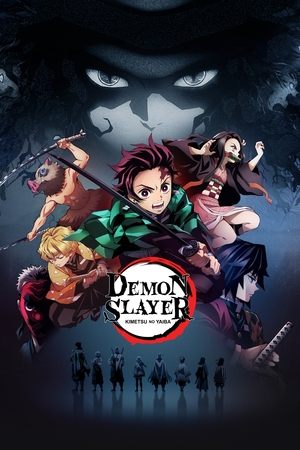
Demon Slayer: Kimetsu no Yaiba is a Japanese manga series written and illustrated by Koyoharu Gotouge, which rapidly evolved into a multimedia collection encompassing an acclaimed television anime and a record-breaking theatrical film. Set during Japan's Taisho era, the narrative follows Tanjiro Kamado, a kind-hearted boy who becomes a demon slayer after his family is slaughtered and his sister Nezuko is transformed into a demon. The story weaves intense sword-fighting action with profound emotional depth, exploring themes of familial love, resilience, and the thin line between humanity and monstrosity.
The manga was serialized in Weekly Shonen Jump from 2016 to 2020 and became a cultural phenomenon, praised for its dynamic art style, compelling character arcs, and tightly paced storytelling. Its popularity skyrocketed with the 2019 anime adaptation by studio Ufotable, which garnered global acclaim for its breathtaking animation, fluid combat sequences, and evocative soundtrack. The television series introduced the core cast and the intricate world of the Demon Slayer Corps, setting the stage for the franchise's explosive growth.
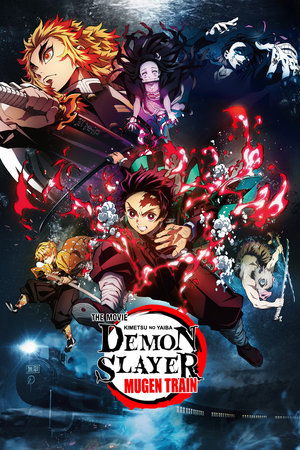
The collection's theatrical component is anchored by the 2020 film 'Demon Slayer: Kimetsu no Yaiba – The Movie: Mugen Train', which directly continues the anime's storyline. The film shattered box office records in Japan and internationally, becoming a landmark moment for anime cinema and demonstrating the property's immense cross-generational appeal. This single film, alongside the television series, forms a tightly connected narrative unit that adapts the manga's most pivotal early arcs.
Though modest in the number of its entries compared to sprawling franchises, this collection has left an indelible mark on the anime and manga landscape. Its blend of historical fantasy, visceral action, and heartfelt drama, elevated by Ufotable's masterful production, has cemented 'Demon Slayer' as a defining work of its era, influencing animation standards and captivating a massive worldwide audience.