🎬 Demon Slayer: Kimetsu no Yaiba -To the Swordsmith Village- (2023)
Part of Demon Slayer: Kimetsu no Yaiba (Compilation)
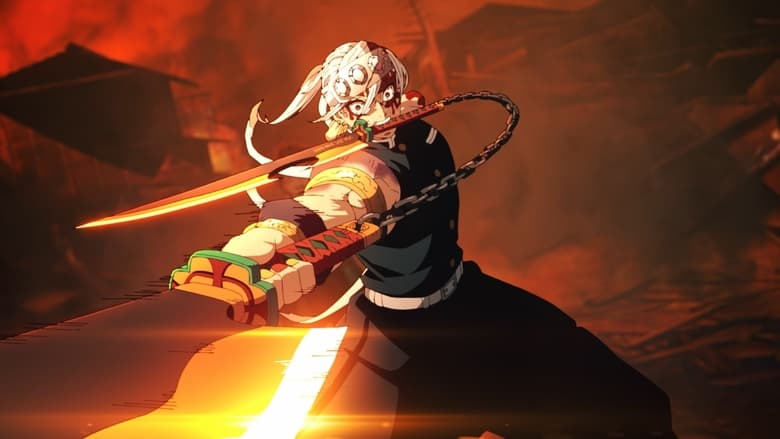
Demon Slayer: Kimetsu no Yaiba – To the Swordsmith Village is a 2023 feature-length compilation film that bridges the second and third seasons of the wildly popular anime adaptation. Unlike the franchise's first film, Mugen Train, which was an original theatrical production, To the Swordsmith Village stitches together the climactic final two episodes of the Entertainment District Arc and the extended first episode of the upcoming Swordsmith Village Arc, offering fans a seamless, big-screen transition between storylines.
The compilation format allowed Ufotable to showcase its breathtaking animation on a grander scale, with the high-stakes battle against Upper Rank Six demons Daki and Gyutaro reaching a visceral crescendo in a cinema setting. The film also served as an early preview of the Swordsmith Village Arc, introducing new key characters like the Mist Hashira, Muichiro Tokito, and the Love Hashira, Mitsuri Kanroji, before the third season officially aired. This dual-purpose release strategy proved highly successful, grossing over $59 million worldwide and reinforcing the franchise's box office dominance.
Based on the manga by Koyoharu Gotouge, which ran in Weekly Shōnen Jump from 2016 to 2020, the Demon Slayer phenomenon has become a cultural juggernaut. The original manga's blend of Taishō-era aesthetics, heartfelt character drama, and kinetic sword-fighting action translated perfectly to animation, with Ufotable's lavish production values elevating the source material to new heights. To the Swordsmith Village is part of a series of compilation films that also includes To the Hashira Training (2024), a strategy that keeps the franchise in theaters between major arcs while rewarding dedicated viewers with enhanced, cinematic versions of pivotal moments.

Demon Slayer: Kimetsu no Yaiba is a Japanese manga series written and illustrated by Koyoharu Gotouge. It was serialized in Shueisha's Weekly Shōnen Jump magazine from February 2016 to May 2020, spanning 23 collected volumes. The story is set in Taishō-era Japan and follows Tanjiro Kamado, a kind-hearted boy who returns home one day to find his entire family slaughtered by a demon, with only his younger sister Nezuko surviving — but she has been transformed into a demon herself. Driven by love and a fierce determination, Tanjiro joins the secretive Demon Slayer Corps and embarks on a perilous quest to find a cure for Nezuko and avenge his family.
The manga blends visceral, high-stakes action with deep emotional storytelling, exploring themes of family, loss, and the thin line between humanity and monstrosity. Gotouge's distinctive art style and dynamic fight choreography quickly garnered a massive following. By the time the series concluded, it had become one of the best-selling manga of all time, with over 150 million copies in circulation worldwide. Its cultural impact in Japan and globally has been profound, sparking a renaissance of interest in dark fantasy shōnen narratives and setting new benchmarks for the genre.

The Demon Slayer: Kimetsu no Yaiba compilation films form a series of theatrical releases that re-edit and enhance story arcs from the acclaimed anime television series. Originating from Koyoharu Gotouge's manga, these compilations transform episodic content into cohesive cinematic experiences, often incorporating refined animation and re-scored audio by studio Ufotable. Early entries, such as Sibling's Bond and the Mt. Natagumo Arc, focus on distilling key narrative threads, emphasizing the saga's core themes of familial love and perseverance against demonic adversity. As the series progressed, the compilations evolved to serve a dual purpose: recapping previous seasons while debuting exclusive preview footage of upcoming arcs, effectively bridging television and theatrical releases. This strategy turned seasonal transitions into major cinematic events, conditioning audiences to experience the franchise's climactic moments on the big screen. The collection highlights the series' signature blend of dynamic combat and quiet emotional depth, reinforcing its cultural impact and innovative approach to anime distribution.