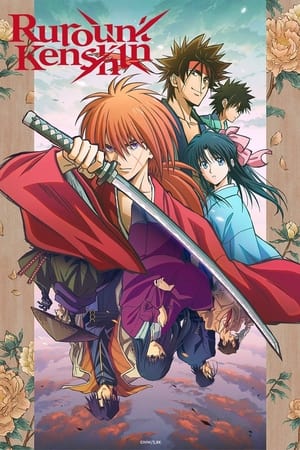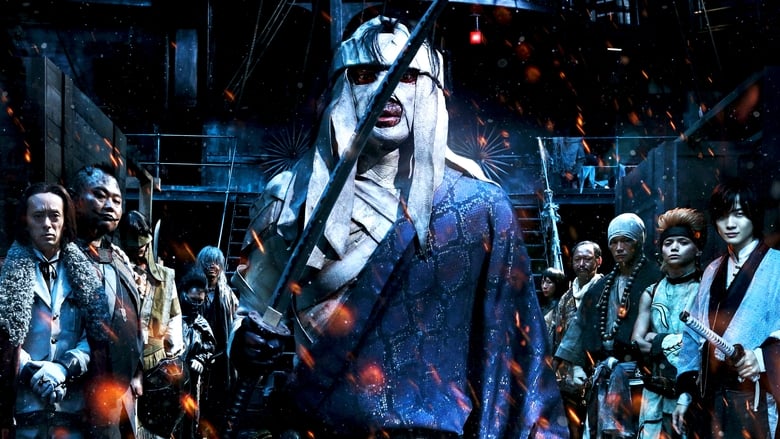
🎬 Rurouni Kenshin Part II: Kyoto Inferno (2014)
Part of Rurouni Kenshin
Rurouni Kenshin Part II: Kyoto Inferno marks a dramatic escalation in the live-action film series, plunging the wandering swordsman into his most iconic and perilous arc. Directed by Keishi Ōtomo, this 2014 sequel adapts the legendary Kyoto arc from Nobuhiro Watsuki's manga, a storyline widely considered the pinnacle of the series. The film wastes no time in shattering the peaceful status quo established at the Kamiya Dojo, as the brutal assassination of a government official by the smiling killer Seta Sōjirō forces Kenshin to confront his bloody past. Leaving Kaoru and his friends behind, he journeys to Kyoto to face Shishio Makoto, a former government assassin who was burned alive and betrayed by the very state he served, and who now seeks to overthrow the Meiji government with an army of disaffected warriors.
The adaptation is a masterclass in condensing a sprawling narrative while preserving its emotional and thematic core. The film streamlines the manga's extensive cast and battles, focusing on the central conflict between Kenshin's vow to never kill and Shishio's ruthless social Darwinism. Takeru Satoh delivers a physically and emotionally demanding performance, embodying Kenshin's internal torment as he is forced to push his Hiten Mitsurugi-ryu to its lethal limits. The introduction of key allies like the young Oniwabanshū spy Makimachi Misao and the former Shinsengumi wolf Saitō Hajime adds depth to the ensemble, while the film's breathtaking sword choreography elevates the action beyond the typical genre fare. The climactic battle in a burning Kyoto, though a cliffhanger designed to lead directly into the sequel The Legend Ends, showcases a spectacular blend of practical stunts and wire-work that captures the manga's superhuman speed and intensity.
Critically, Kyoto Inferno was praised for its darker tone and grander scale compared to its predecessor. The decision to split the Kyoto arc into two films allowed for a more faithful and less rushed adaptation of Shishio's complex conspiracy, giving weight to his tragic backstory and his ideological challenge to the Meiji era's hypocrisy. The film's visual design meticulously recreates the historical setting, contrasting the bright, modernizing Tokyo with the shadowy, lantern-lit streets of Kyoto, a city that becomes a character in itself. While some subplots were necessarily trimmed, the film retains the philosophical duel at the story's heart: Kenshin's quest for atonement without killing versus Shishio's belief that only the strong survive, a conflict that would reach its explosive conclusion in the following month's release.
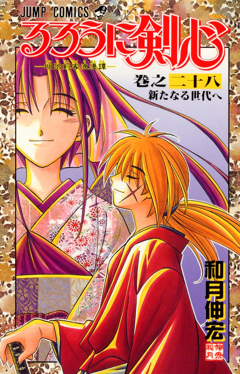
Rurouni Kenshin: Meiji Swordsman Romantic Story is a Japanese manga series written and illustrated by Nobuhiro Watsuki. It was serialized in Shueisha's Weekly Shōnen Jump magazine from April 1994 to September 1999, spanning 28 collected volumes. The story is set during the early Meiji era in Japan and follows Himura Kenshin, a former legendary assassin known as Hitokiri Battosai, who has vowed never to kill again and now wanders the countryside as a protector of the innocent.
Watsuki crafted the series as a departure from typical shōnen manga of the time, blending historical drama with intense sword-fighting action and a protagonist burdened by a dark past. The narrative explores themes of atonement, peace, and the struggle to uphold ideals in a rapidly modernizing Japan. Kenshin's reverse-blade sword, a physical manifestation of his oath, became one of the most iconic weapons in manga history.
The manga achieved massive commercial and critical success, selling over 70 million copies worldwide and becoming a cornerstone of 1990s shōnen manga alongside contemporaries like Dragon Ball and Slam Dunk. Its richly developed characters, including the fiery dojo instructor Kamiya Kaoru, the street-fighter Sagara Sanosuke, and the enigmatic villain Shishio Makoto, have left a lasting impact on the medium. The series' blend of historical fiction, romance, and philosophical depth has inspired multiple anime adaptations, live-action films, stage productions, and a direct sequel manga series set in Hokkaido.
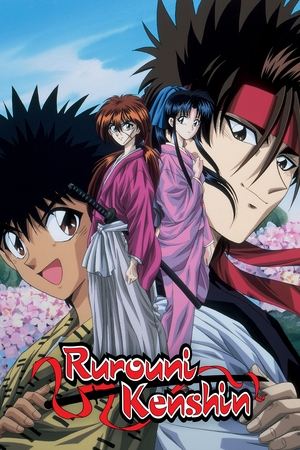
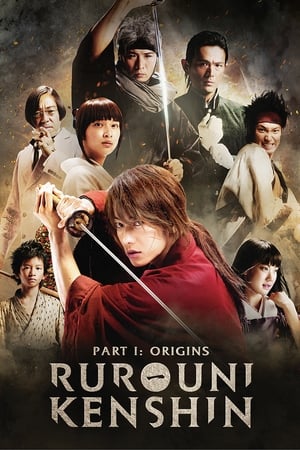
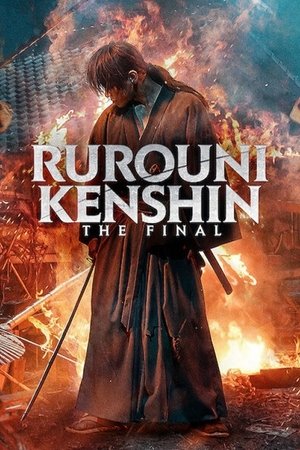
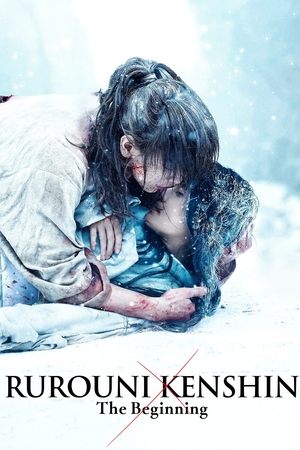
The Rurouni Kenshin live-action film series adapts Nobuhiro Watsuki's beloved manga of the same name into a sweeping historical action saga. Set during the early Meiji era in Japan, the films follow a former legendary assassin turned wandering swordsman who has vowed never to kill again, using a reverse-blade sword to protect the innocent and atone for his violent past.
The series is celebrated for its exceptional sword-fighting choreography, blending practical stunts with dynamic cinematography to capture the speed and precision of the anime and manga's signature techniques. It successfully translates the source material's blend of historical drama, intense action, and character-driven storytelling to the big screen, earning acclaim from both longtime fans and newcomers.
Directed primarily by Keishi Ōtomo and starring Takeru Satoh in the title role, the films have been praised for their faithful yet fresh approach to adaptation. The series explores themes of redemption, the struggle to maintain one's humanity after a life of violence, and the societal upheaval of Japan's modernization, all while delivering thrilling combat sequences.