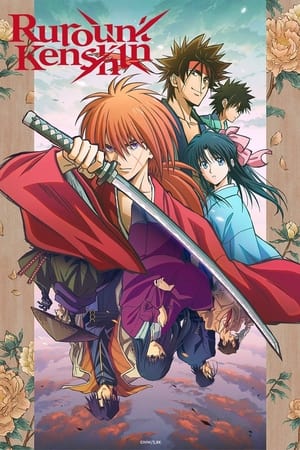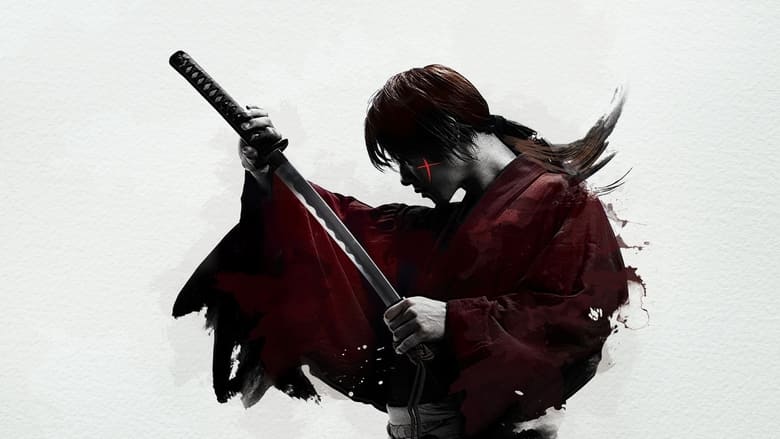
🎬 Rurouni Kenshin Part I: Origins (2012)
Part of Rurouni Kenshin
When Keishi Ōtomo’s "Rurouni Kenshin Part I: Origins" arrived in 2012, it shattered the long-held belief that live-action anime and manga adaptations were destined for disappointment. Rather than attempting a panel-for-panel recreation of Nobuhiro Watsuki’s sprawling epic, the film wisely distills the spirit of the manga’s earliest Tokyo arcs into a propulsive, self-contained narrative. It introduces the wandering swordsman Kenshin Himura, played with a mesmerizing blend of gentle awkwardness and lethal precision by Takeru Satoh, as he arrives at the Kamiya dojo and becomes entangled in a conflict with the ruthless opium kingpin Kanryū Takeda. The screenplay streamlines the source material’s more episodic introductions, merging characters and condensing events to craft a tight origin story that prioritizes emotional stakes over slavish fidelity.
The film’s greatest triumph lies in its physicality. Ōtomo and action director Kenji Tanigaki crafted a style of combat that feels both fantastical and grounded, translating the manga’s superhuman speed techniques into breathtaking wirework and intricate choreography. Satoh’s background in action roles allowed him to perform much of the swordplay himself, lending an authenticity that CGI could never replicate. This visual language became the franchise’s signature, but "Origins" establishes it with a raw, experimental energy. The production also benefited from Watsuki’s direct involvement; the creator offered ideas that were incorporated into the film, ensuring that even as the plot was compressed, the core themes of atonement and the struggle to protect life without taking it remained intact.
While the film introduces the beloved core cast—including Emi Takei as the spirited Kaoru and Munetaka Aoki as the brawling Sanosuke—it notably reimagines the character of Megumi Takani’s arc and the villainy of Kanryū, giving the drug trade storyline a more immediate, visceral threat than the manga’s slower-burn mystery. The decision to ground the story in the gritty reality of the early Meiji era, with its clash between fading samurai codes and Westernizing corruption, gave the film a textured, jidaigeki atmosphere that appealed to audiences beyond the existing fanbase. This approach paid off handsomely, as the film grossed over $36 million domestically and became an international phenomenon, proving that a faithful yet adaptive approach could resonate globally.
"Rurouni Kenshin Part I: Origins" did more than just launch a successful film series; it reset expectations for an entire genre. By treating the source material with respect while confidently making changes for the cinematic medium, it captured the melodramatic heart and thrilling swordplay of Watsuki’s world. The film’s critical and commercial success laid the groundwork for its sequels and demonstrated that the wandering samurai’s vow to never kill again could find new life on the big screen, winning over both die-hard fans and newcomers who had never picked up a volume of the manga.
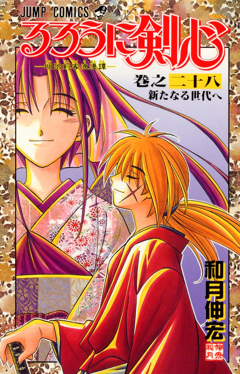
Rurouni Kenshin: Meiji Swordsman Romantic Story is a Japanese manga series written and illustrated by Nobuhiro Watsuki. It was serialized in Shueisha's Weekly Shōnen Jump magazine from April 1994 to September 1999, spanning 28 collected volumes. The story is set during the early Meiji era in Japan and follows Himura Kenshin, a former legendary assassin known as Hitokiri Battosai, who has vowed never to kill again and now wanders the countryside as a protector of the innocent.
Watsuki crafted the series as a departure from typical shōnen manga of the time, blending historical drama with intense sword-fighting action and a protagonist burdened by a dark past. The narrative explores themes of atonement, peace, and the struggle to uphold ideals in a rapidly modernizing Japan. Kenshin's reverse-blade sword, a physical manifestation of his oath, became one of the most iconic weapons in manga history.
The manga achieved massive commercial and critical success, selling over 70 million copies worldwide and becoming a cornerstone of 1990s shōnen manga alongside contemporaries like Dragon Ball and Slam Dunk. Its richly developed characters, including the fiery dojo instructor Kamiya Kaoru, the street-fighter Sagara Sanosuke, and the enigmatic villain Shishio Makoto, have left a lasting impact on the medium. The series' blend of historical fiction, romance, and philosophical depth has inspired multiple anime adaptations, live-action films, stage productions, and a direct sequel manga series set in Hokkaido.
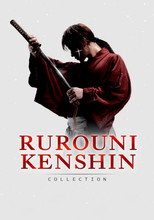
The Rurouni Kenshin live-action film series adapts Nobuhiro Watsuki's beloved manga of the same name into a sweeping historical action saga. Set during the early Meiji era in Japan, the films follow a former legendary assassin turned wandering swordsman who has vowed never to kill again, using a reverse-blade sword to protect the innocent and atone for his violent past.
The series is celebrated for its exceptional sword-fighting choreography, blending practical stunts with dynamic cinematography to capture the speed and precision of the anime and manga's signature techniques. It successfully translates the source material's blend of historical drama, intense action, and character-driven storytelling to the big screen, earning acclaim from both longtime fans and newcomers.
Directed primarily by Keishi Ōtomo and starring Takeru Satoh in the title role, the films have been praised for their faithful yet fresh approach to adaptation. The series explores themes of redemption, the struggle to maintain one's humanity after a life of violence, and the societal upheaval of Japan's modernization, all while delivering thrilling combat sequences.