🎬 Rurouni Kenshin: The Beginning (2021)
Part of Rurouni Kenshin
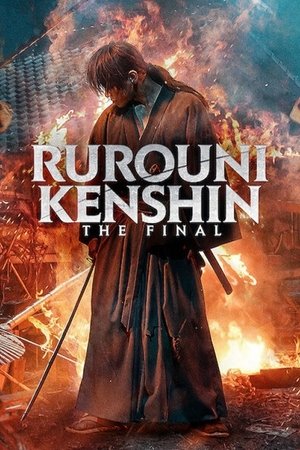
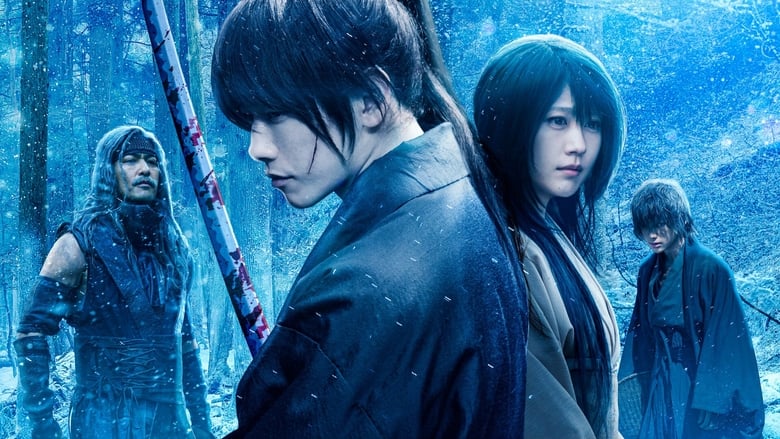
Rurouni Kenshin: The Beginning serves as the poignant prequel and final chapter of Keishi Ōtomo's acclaimed live-action film series, diving deep into the shadowy origins of Himura Kenshin. Unlike the earlier films that follow Kenshin's peaceful wanderings in the Meiji era, this installment takes viewers back to the Bakumatsu period, where he was known as the feared assassin Hitokiri Battōsai. The film adapts the flashback-heavy 'Trust and Betrayal' arc from the manga, focusing on Kenshin's transformation from a cold-blooded killer to a man seeking redemption, largely through his tragic romance with Yukishiro Tomoe.
The adaptation makes several notable choices to fit the film series' continuity. While the manga and its OVA version depict Tomoe's story in a more extended, melancholic fashion, Ōtomo's film streamlines the narrative to connect directly with the events of Rurouni Kenshin: The Final, released just two months prior. The action sequences remain visceral and grounded, with Takeru Satoh delivering a hauntingly restrained performance as the younger, more brutal Kenshin. Kasumi Arimura's Tomoe is given subtle depth, her quiet presence contrasting the chaos of the era. The film also ties into the larger series by showing the origins of Kenshin's iconic reverse-blade sword and his vow never to kill.
Critically, The Beginning was praised for its emotional weight and historical atmosphere, though some noted its slower pace compared to the action-heavy earlier entries. It serves as a satisfying bookend to the five-film saga, rewarding longtime fans with callbacks and character moments. The film's release strategy—shot simultaneously with The Final and released after it—allowed audiences to experience Kenshin's journey in reverse chronological order, adding a layer of tragedy to his earlier adventures. For newcomers, it stands as a compelling standalone samurai drama, while devotees of the manga appreciate its faithful yet streamlined adaptation of one of the series' most beloved storylines.

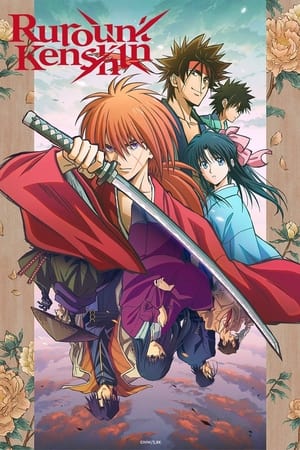
Rurouni Kenshin: Meiji Swordsman Romantic Story is a Japanese manga series written and illustrated by Nobuhiro Watsuki. It was serialized in Shueisha's Weekly Shōnen Jump magazine from April 1994 to September 1999, spanning 28 collected volumes. The story is set during the early Meiji era in Japan and follows Himura Kenshin, a former legendary assassin known as Hitokiri Battosai, who has vowed never to kill again and now wanders the countryside as a protector of the innocent.
Watsuki crafted the series as a departure from typical shōnen manga of the time, blending historical drama with intense sword-fighting action and a protagonist burdened by a dark past. The narrative explores themes of atonement, peace, and the struggle to uphold ideals in a rapidly modernizing Japan. Kenshin's reverse-blade sword, a physical manifestation of his oath, became one of the most iconic weapons in manga history.
The manga achieved massive commercial and critical success, selling over 70 million copies worldwide and becoming a cornerstone of 1990s shōnen manga alongside contemporaries like Dragon Ball and Slam Dunk. Its richly developed characters, including the fiery dojo instructor Kamiya Kaoru, the street-fighter Sagara Sanosuke, and the enigmatic villain Shishio Makoto, have left a lasting impact on the medium. The series' blend of historical fiction, romance, and philosophical depth has inspired multiple anime adaptations, live-action films, stage productions, and a direct sequel manga series set in Hokkaido.
The Rurouni Kenshin live-action film series adapts Nobuhiro Watsuki's beloved manga of the same name into a sweeping historical action saga. Set during the early Meiji era in Japan, the films follow a former legendary assassin turned wandering swordsman who has vowed never to kill again, using a reverse-blade sword to protect the innocent and atone for his violent past.
The series is celebrated for its exceptional sword-fighting choreography, blending practical stunts with dynamic cinematography to capture the speed and precision of the anime and manga's signature techniques. It successfully translates the source material's blend of historical drama, intense action, and character-driven storytelling to the big screen, earning acclaim from both longtime fans and newcomers.
Directed primarily by Keishi Ōtomo and starring Takeru Satoh in the title role, the films have been praised for their faithful yet fresh approach to adaptation. The series explores themes of redemption, the struggle to maintain one's humanity after a life of violence, and the societal upheaval of Japan's modernization, all while delivering thrilling combat sequences.