🎬 How to Train Your Dragon: The Hidden World (2019)
Part of How to Train Your Dragon
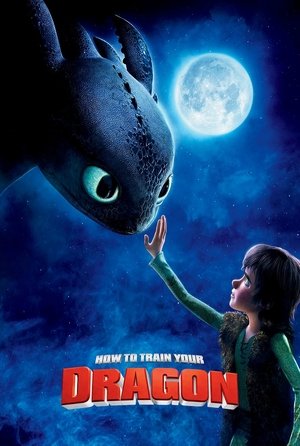
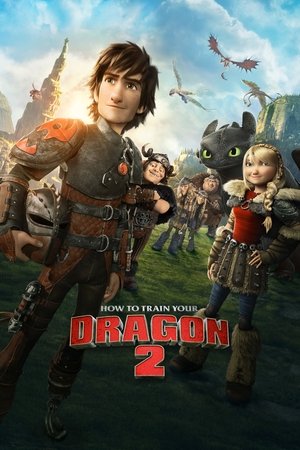
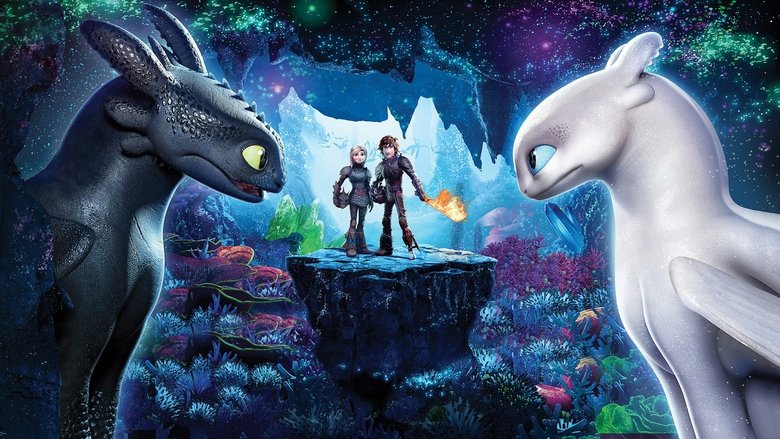
With "The Hidden World," director Dean DeBlois brings his ambitious animated trilogy to a poignant close, taking the franchise far beyond the simple premise of a boy and his dragon. While Cressida Cowell’s original book series concluded with the dragons voluntarily leaving the human world, the films charted a different course, building a world where Vikings and dragons learned to live together. This final chapter masterfully reconciles that divergence, steering the narrative toward the same bittersweet inevitability. The film follows a 21-year-old Hiccup, now the chieftain of a bustling, overcrowded Berk, as he pursues a mythical dragon utopia, only to realize that true leadership means letting go of his own dreams for the safety of those he loves.
The film’s emotional core lies in Toothless’s courtship of a Light Fury, a sleek, snow-white counterpart who is wild and untamed. This subplot is a direct echo of the books’ deeper themes of wildness versus domestication, but it is rendered here through breathtaking, nearly dialogue-free animation. The animators at DreamWorks faced a massive technical challenge in bringing the Light Fury to life, requiring new software to handle the complex lighting of her shimmering, translucent scales. The result is a character who feels ethereally separate from the human world, a visual metaphor for the call of the wild that Toothless must eventually answer. The introduction of the villain Grimmel the Grisly, a ruthless hunter voiced with chilling calm by F. Murray Abraham, provides the external pressure that forces Hiccup to make an impossible choice, pushing the story toward its mature, resonant conclusion.
Critically, the film was hailed as a satisfying and emotionally weighty finale to one of the most celebrated animated trilogies of the modern era. Reviewers praised its stunning visuals, John Powell’s soaring score, and a final act that was unafraid to embrace a permanent, heartfelt goodbye. The separation of Hiccup and Toothless, framed as a necessary step for both species to thrive, mirrors the novel series’ ending but earns it through the specific journey of these film incarnations. The movie was a box office success, grossing over $540 million worldwide, and earned an Academy Award nomination for Best Animated Feature, cementing the trilogy’s legacy as a high-water mark for DreamWorks Animation.
Where the books used Hiccup’s memoirs as a framing device, the film employs a flash-forward epilogue that reunites the characters years later, offering a glimmer of hope without undoing the sacrifice. It’s a delicate balance that honors Cowell’s thematic intent—that growing up often means losing something precious—while providing the emotional closure audiences craved. "The Hidden World" is more than a loose adaptation; it is a thoughtful, visually splendid meditation on the same core ideas, proving that an adaptation can stray far from its source plot and still arrive at the same profound truth.
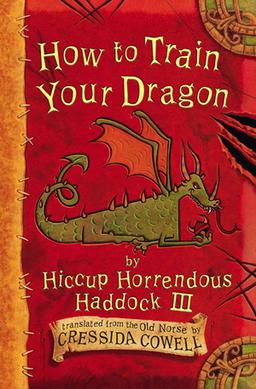
How to Train Your Dragon is a series of twelve children's books written by British author Cressida Cowell. Set in a fictional Viking world, the books chronicle the coming-of-age adventures of Hiccup Horrendous Haddock III, a young Viking who is not your typical hero. Rather than being naturally strong or fierce, Hiccup relies on his intellect, empathy, and ability to speak the dragon language Dragonese to overcome challenges. The series begins with Hiccup and other boys from the Hairy Hooligan tribe capturing and training their own dragons as a rite of passage, leading him to bond with a small, stubborn dragon named Toothless.
The first book was published in 2003 by Hodder Children's Books in the United Kingdom, with Little, Brown and Company handling the American editions. Cowell both wrote and illustrated the novels, filling them with her distinctive, energetic drawings. The series concluded in 2015 with the twelfth and final installment. The books are notable for their unique blend of humor, heart, and adventure, as well as their deeper themes of growing up, the loss of innocence, and the complex relationship between humans and nature.
By the time the series was complete, it had sold over seven million copies worldwide and had been translated into numerous languages. The books' popularity established them as a modern classic of children's literature, praised for their clever subversion of traditional heroic tropes and their poignant, bittersweet conclusion that sees the dragons eventually leave the human world.
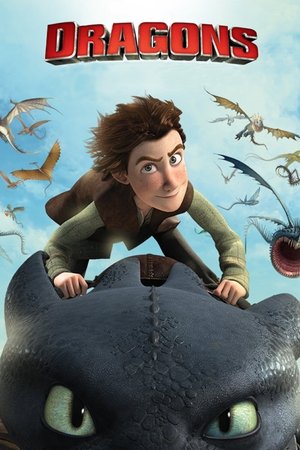
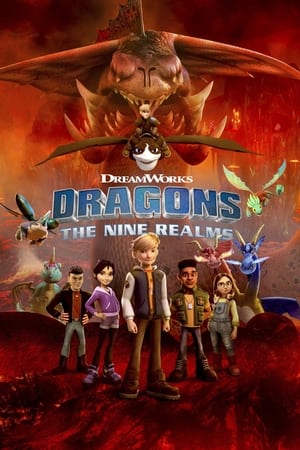
Beyond the core film trilogy, the world of Berk has been expanded through television series that explore the interim periods between the movies. Shows like *Dragons: Riders of Berk* and *Dragons: Race to the Edge* delve deeper into the dragon riders' adventures and the discovery of new species, enriching the lore and developing secondary characters. A later series, *Dragons: The Nine Realms*, takes a significant leap forward in time, introducing a new cast of characters who rediscover dragons in the modern world, thereby extending the franchise's thematic legacy of discovery and coexistence. These extensions, along with short films and holiday specials, have transformed the initial film into a broader narrative universe, though the emotional and narrative heart remains firmly rooted in the original trilogy's complete story arc.