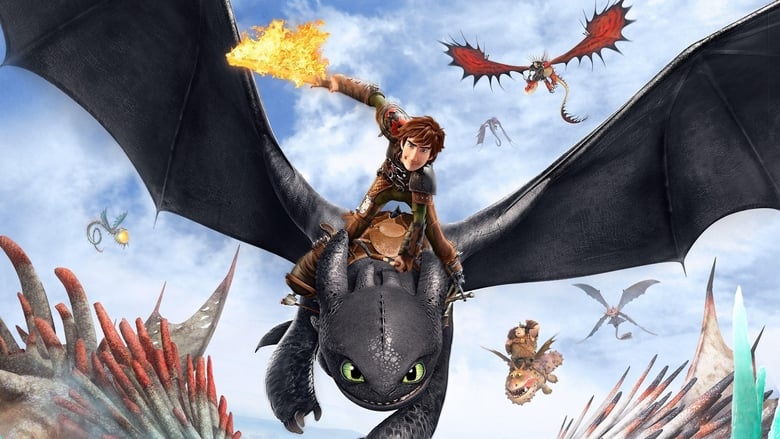
🎬 How to Train Your Dragon 2 (2014)
Part of How to Train Your Dragon
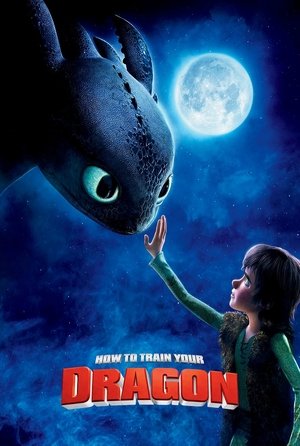
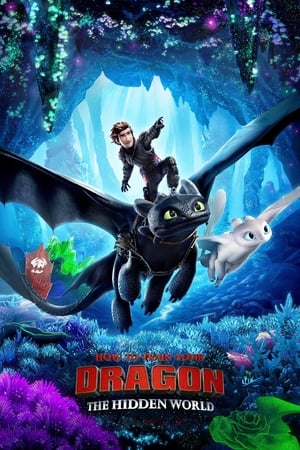
DreamWorks Animation’s How to Train Your Dragon 2 (2014) takes the world of Cressida Cowell’s beloved books in a bold new direction, expanding the mythology far beyond the original source material. While the first film loosely adapted the first book’s premise of a young Viking befriending a dragon, this sequel is entirely original, drawing only on the series’ core themes of empathy, growth, and the bond between humans and dragons. Director Dean DeBlois, who also wrote the screenplay, crafted a darker, more emotionally complex story set five years after the original, introducing Hiccup’s long-lost mother Valka—a character not present in the books—and the warlord Drago Bludvist, a villain who embodies the destructive fear of dragons that the books gradually explore across multiple volumes.
The film’s visual and narrative ambition sets it apart from the episodic, often comedic tone of Cowell’s novels. DeBlois cited The Empire Strikes Back as a key inspiration, and the result is a more mature, epic sequel that pushes its characters to confront loss, responsibility, and the true cost of peace. The animation, too, leapt forward: DreamWorks developed new scalable multi-core processing and lighting software for the film, allowing for breathtaking aerial battles and the stunning, icy landscapes of Svalbard, which the creative team visited for research. Composer John Powell returned with a soaring score that earned him a Grammy nomination, further cementing the film’s status as a high-water mark for animated cinema.
Critically, How to Train Your Dragon 2 was hailed as a rare sequel that surpasses its predecessor, earning a 92% score on Rotten Tomatoes and winning the Golden Globe for Best Animated Feature Film. For fans of the books, the film represents a fascinating divergence: the novels are a twelve-book saga that concludes with a bittersweet farewell to dragons, while the film trilogy takes a more streamlined, cinematic arc. Yet both share a deep respect for Hiccup’s journey from an underestimated misfit to a wise leader, and the 2014 sequel remains a powerful example of how an adaptation can honor its source material while forging its own identity. With a voice cast that includes Jay Baruchel, Cate Blanchett, and Djimon Hounsou, and a story that balances heart and spectacle, How to Train Your Dragon 2 proves that the best sequels don’t just repeat the past—they soar into new, uncharted skies.
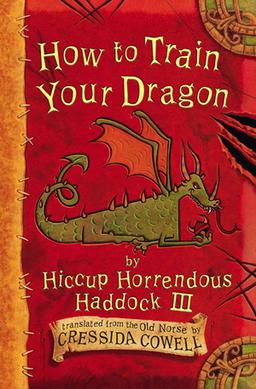
How to Train Your Dragon is a series of twelve children's books written by British author Cressida Cowell. Set in a fictional Viking world, the books chronicle the coming-of-age adventures of Hiccup Horrendous Haddock III, a young Viking who is not your typical hero. Rather than being naturally strong or fierce, Hiccup relies on his intellect, empathy, and ability to speak the dragon language Dragonese to overcome challenges. The series begins with Hiccup and other boys from the Hairy Hooligan tribe capturing and training their own dragons as a rite of passage, leading him to bond with a small, stubborn dragon named Toothless.
The first book was published in 2003 by Hodder Children's Books in the United Kingdom, with Little, Brown and Company handling the American editions. Cowell both wrote and illustrated the novels, filling them with her distinctive, energetic drawings. The series concluded in 2015 with the twelfth and final installment. The books are notable for their unique blend of humor, heart, and adventure, as well as their deeper themes of growing up, the loss of innocence, and the complex relationship between humans and nature.
By the time the series was complete, it had sold over seven million copies worldwide and had been translated into numerous languages. The books' popularity established them as a modern classic of children's literature, praised for their clever subversion of traditional heroic tropes and their poignant, bittersweet conclusion that sees the dragons eventually leave the human world.
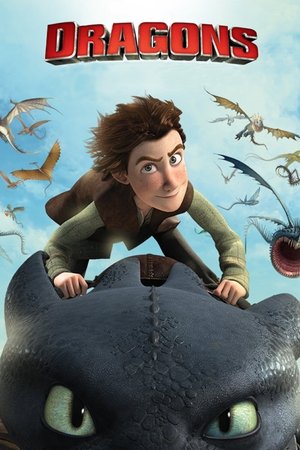
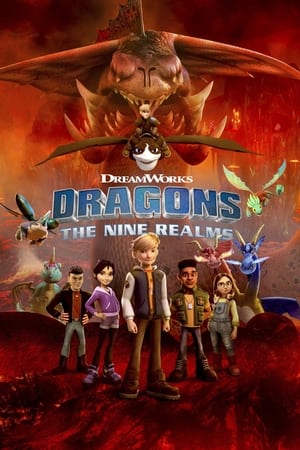
Beyond the core film trilogy, the world of Berk has been expanded through television series that explore the interim periods between the movies. Shows like *Dragons: Riders of Berk* and *Dragons: Race to the Edge* delve deeper into the dragon riders' adventures and the discovery of new species, enriching the lore and developing secondary characters. A later series, *Dragons: The Nine Realms*, takes a significant leap forward in time, introducing a new cast of characters who rediscover dragons in the modern world, thereby extending the franchise's thematic legacy of discovery and coexistence. These extensions, along with short films and holiday specials, have transformed the initial film into a broader narrative universe, though the emotional and narrative heart remains firmly rooted in the original trilogy's complete story arc.